

 GMA Brandtalk
 Tracking
 Archives

Manifesto pushes policies to protect Filipino weavers
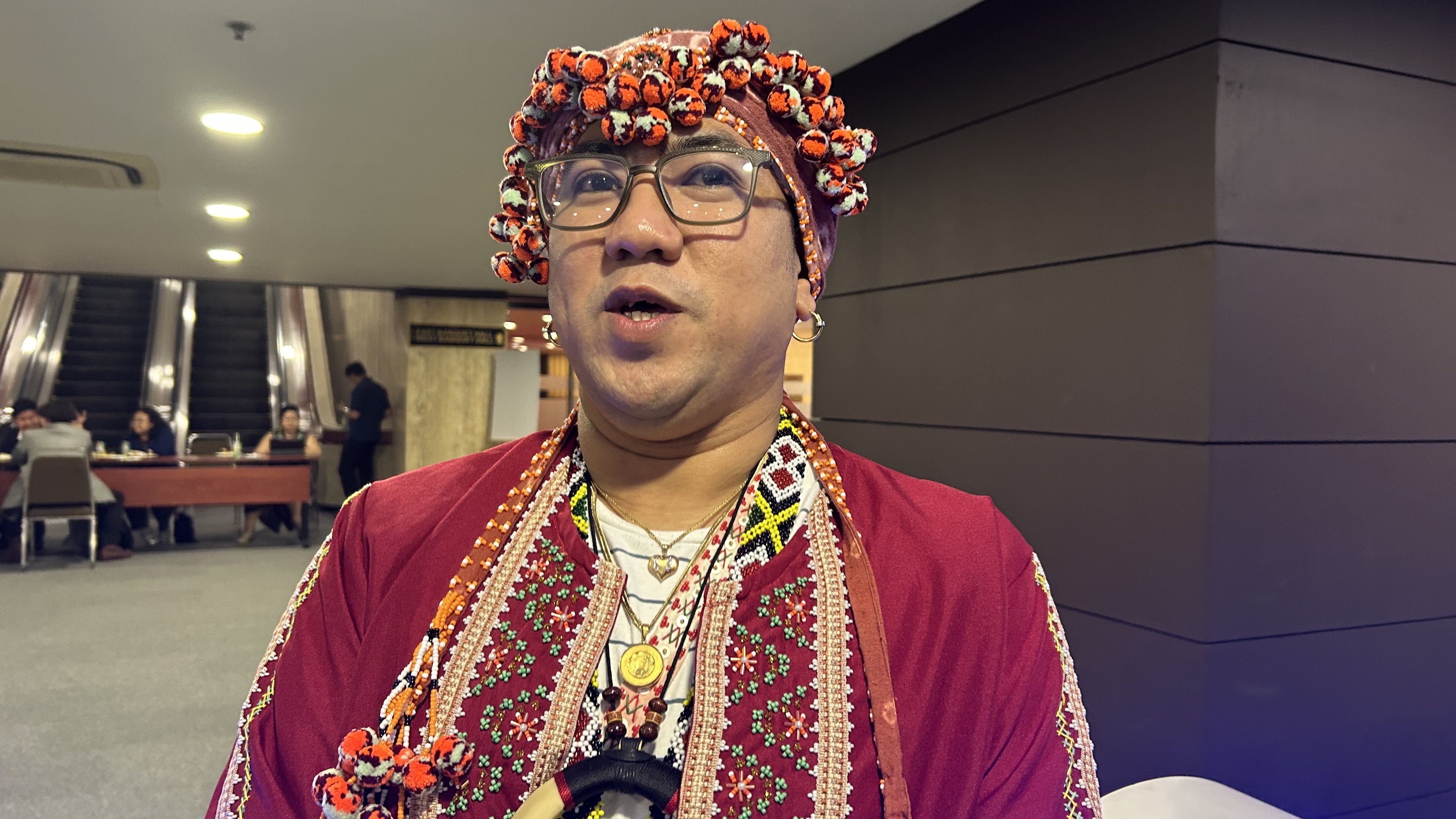
Filipino handloom weavers on Wednesday called for stronger policies to raise consumer awareness, as a manifesto pushes for the protection of the country’s weavers.
Mervin To-Ong, manager of the Binugao Bagobo Tagabawa Women Association (BIBATAWA), made the call during the 2026 National Textile Convention at the Philippine International Convention Center in Pasay City.
“Napaka-importante na maisulong ang manifestong ito kasi lahat ng nakapaloob sa manifesto, 'yun po ay ang buhay at mga daily lives ng kananasan ng mga habi. So kung ito po ay ma-push natin, malaking tulong po tindi lamang sa mga habi sa IPs, pati sa non-IPs," he said during a panel discussion.
(It is very important to push this manifesto because it indicates the life and experiences of the weavers. So if we push this, it will be a big help not just for the indigenous peoples weavers but also to the non-IPs.)
Speaking to GMA News Online, To-Ong said protecting the country’s weaving community would also mean protecting their identity and culture.
“Kawawa ang ating mga weavers, kasi we give our efforts, our heart talaga in terms of sa paghahabi,” To-Ong said, as he shared their challenges with replicas and fake textile products.
(Our weavers are suffering because they give their full effort and heart to weaving.)
“Ito yung buhay namin, ito 'yung identity namin. So kinakailangan talaga na ma-push ito, mabigyan din,” he added.
(This is our life and our identity. That is why the manifesto needs to be pushed forward and given proper support.)
He added, “Lahat ng weaving communities na matulungan, hindi lang sa ngayon na generation, hindi mapanatili pa natin sa susunod na generation.”
(This will help communities not just in this generation, but also in the coming generations.)
Supported by 120 weaving communities across the country, the manifesto objects to the use of fake and replicated weaving textiles that are machine-made rather than handmade by Filipinos.
It also opposes the use of weaving designs in sublimation printing but sold as woven textiles.
The manifesto advocates for the use of woven textiles for government employees and school uniforms.
It also pushes for wider access to cotton yarn to weavers, as well as training programs for younger generations and public awareness.
The manifesto calls all Filipino weavers to unite as an organized group, and to implement a stronger policy on protecting the weavers and their creations.
It also advocates for the protection of weavers’ rights, especially those who rely on weaving for their livelihood.
Led by the Department of Science and Technology-Philippine Textile Research Institute (DOST-PTR)I, the manifesto was signed on November 21, 2025. —RF, GMA Integrated News

