

 GMA Brandtalk
 Tracking
 Archives

Overloaded school activities not root cause of learning crisis — ACT
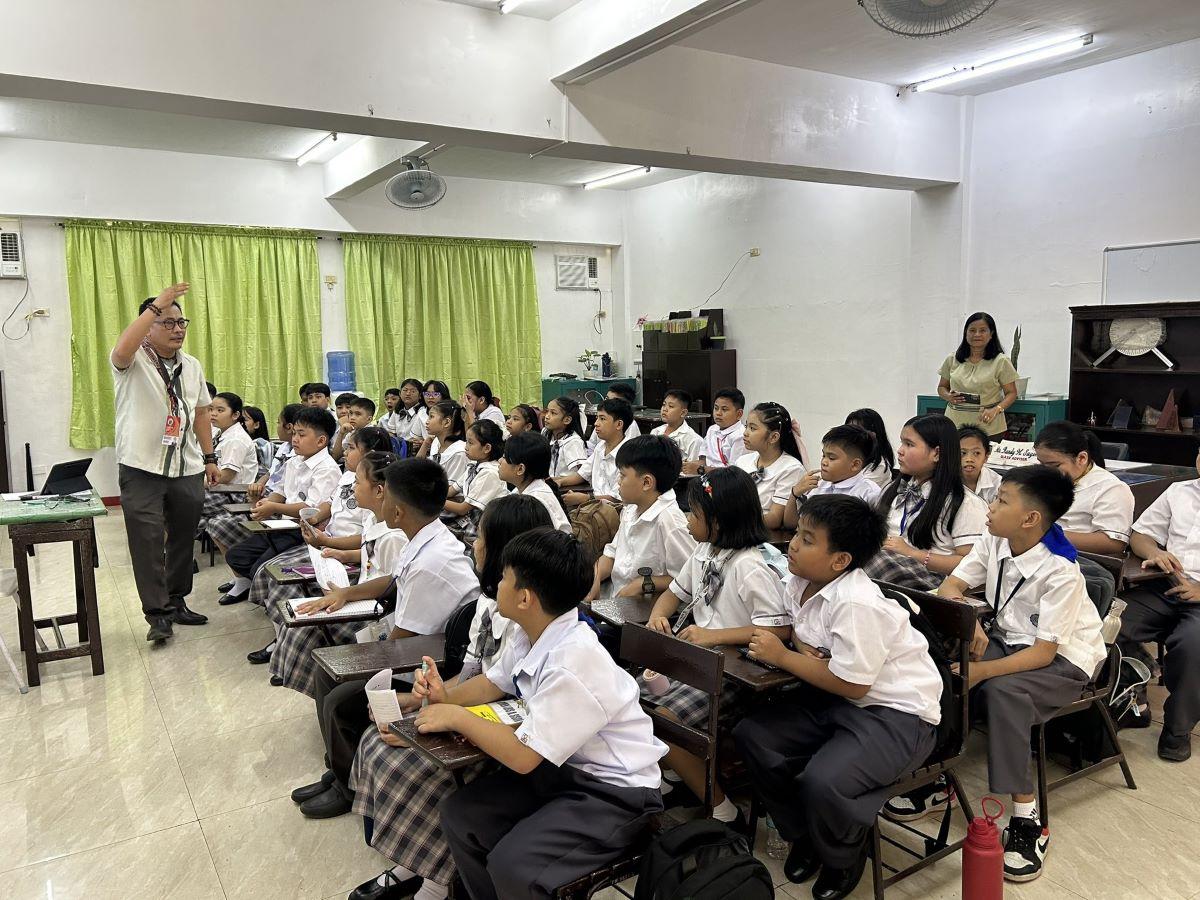
The Alliance of Concerned Teachers Philippines (ACT) on Tuesday warned against blaming crowded school calendars for the country’s worsening learning crisis, saying the findings of the Second Congressional Commission on Education (EDCOM 2) risk overlooking deeper, long-standing problems in public education.
In a statement, ACT disagreed with EDCOM 2’s claim on excessive school activities, saying that while celebrations and requirements do take up class time, they are not the main causes of low literacy and poor learning outcomes shown in the latest SEA-PLM results.
“Madaling ituro ang mga selebrasyon at aktibidad dahil ito ang nakikita sa ibabaw,” ACT spokesperson Ruby Bernardo said.
(It is easy to point to celebrations and activities because they are what we see on the surface.)
“Pero kung hanggang doon lang ang pagsusuri, tinatakasan natin ang tunay na problema (But if the analysis stops there, we are avoiding the real problem),” she said.
ACT said learning loss is driven by chronic underfunding of public education, persistent teacher shortages, overcrowded classrooms, inadequate textbooks and learning materials, and excessive non-teaching tasks imposed on teachers—conditions the group said have persisted across administrations.
The group warned that singling out school celebrations risks shifting blame to teachers and schools while allowing policymakers to evade accountability for "systemic neglect."
Bernardo said that reading proficiency does not decline simply because of activities such as Buwan ng Wika or Nutrition Month.
“Bumabagsak ito dahil may isang guro na may limampung estudyante, kulang ang aklat, kulang ang oras, at lubog sa papeles na ipinapasa ng mismong sistema.”
(Students decline because one teacher handles 50 students, books are lacking, time is insufficient, and teachers are buried in paperwork imposed by the system itself.)
ACT added that the proliferation of legislated observances reflects a reliance on low-cost, highly visible activities that simulate reform rather than address the material conditions needed for learning. Teachers, the group said, bear the added burden of preparations, rehearsals, documentation, and reports on top of already heavy workloads.
The group said any review of school activities should be matched with concrete action on core issues, including hiring more teachers, reducing class sizes, ensuring one textbook per learner, increasing teachers’ salaries, and cutting unnecessary administrative tasks that take time away from teaching.
“Kung aalisin man ang ilang aktibidad, pero hindi gagalawin ang kakulangan sa guro, silid-aralan, at sahod, wala ring magbabago,” Bernardo said.
(Even if some activities are removed, if the shortages in teachers, classrooms, and salaries are not addressed, nothing will change.)
“Hindi oras lang ang ninanakaw sa mga bata—kinakait sa kanila ang disenteng kundisyon para talagang matuto.”
(It is not just time that is taken from children; they are being denied decent conditions to truly learn.)
ACT called on Congress and the Department of Education to stop treating learning loss as an issue of school discipline or calendar management and instead address it as the result of policy choices that have deprioritized public education.
“Ang pagtuon sa mga school celebrations bilang problema ay pag-iwas sa ugat (Focusing on school celebrations as the problem is an avoidance of the root cause),” Bernardo said.
“Hangga’t hindi binabago ang oryentasyon ng sistema—mula sa pagtitipid at pagkakait tungo sa sapat na pondo, disenteng sahod, at makabuluhang suporta sa pagtuturo—mananatiling atrasado, kulelat, at palpak ang edukasyon sa bansa.”
(Unless the system shifts from austerity and deprivation to adequate funding, decent pay, and meaningful support for teaching, education in the country will remain backward, lagging, and ineffective.)
GMA News Online has sought comment from the Department of Education and will update this story once the agency issues a response.—MCG, GMA Integrated News

