

 GMA Brandtalk
 Tracking
 Archives

Cheaper galunggong prices expected in March, fish traders group says
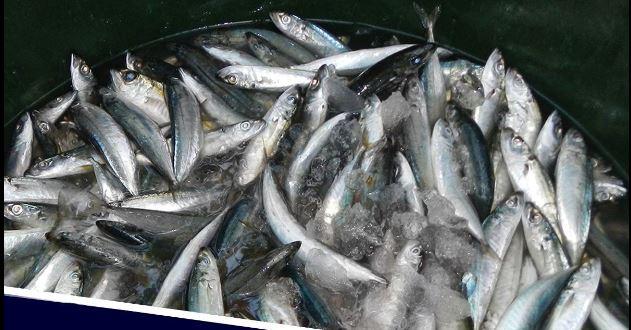
Retail prices of galunggong or roundscad in wet markets across the country are expected to decline starting March as more Filipino commercial fishermen are now able to cast their nets at sea.
The Association of Fresh Fish Traders of the Philippines Inc. on Saturday told Super Radyo dzBB that galunggong prices—which has soared to over P400 per kilo in some markets—may be sold at half the amount, or even less, beginning next month.
Association president Jonjon Santos said this follows the end of the government's closed fishing season, implemented annually to rejuvenate the fish population.
"Pagka ho bumalik na yung production by, siguro mga March, ay magsisimula nang bumaba ang presyo niyan... Usually ho kapag March, April, May, ang naging average naman po na presyo natin sa merkado, dito po sa wholesale market, umaabot po hanggang P60 to P80 per kilo. So nabibili po ang galunggong sa P150 to P200," Santos said.
(Prices will start to decline when production resumes, perhaps by March... Usually in March, April, May, the average price in the wholesale market reaches about P60 to P80 per kilo. So galunggong can be bought in wet markets at about P150 to P200 per kilo.)
The development should come as relief for consumers grappling with high prices of the popular food staple, which was once known as the poor man's fish.
Amid the rising prices, Department of Agriculture (DA) Secretary Francisco Tiu Laurel Jr. advised the consuming public last December to buy chicken instead of galunggong as low supply was affecting retail rates.
Implemented under the Joint Administrative Order No. 01, s. 2015, of the DA and Department of the Interior and Local Government (DILG), the closed fishing season is implemented annually from November 1 until January 31. The order seeks to strengthen the capacity of local galunggong to spawn eggs and grow their numbers.
The order covers the waters of Northern Palawan, from the West Philippine Sea until the Northern Sulu Sea.
"Closed fishing season po, so from November po hanggang ngayong February, wala pong namamalakaya na commercial fishing. Kaya po wala pong masyadong galunggong sa merkado," Santos said.
(Commercial fishing operations cease during the closed fishing season from November until February. So we don't have that much galunggong in markets.)
Most of the galunggong currently sold in the Philippine markets are imported, Santos said, which were permitted amid the closed fishing season.
Santos said the cold winds of the prevailing Northeast Monsoon or Amihan has also affected the operations of commercial fishermen.
"Medyo sobrang lamig ho ngayon, kaya kakalabas lang po ng mga lantsa para mamalakaya nitong February," he said.
(We have been having cold days, so fishing boats have just started to set sail this February.)
Local supply usually tapers off towards October every year, Santos said. causing retail prices to steadily rise. — VDV, GMA Integrated News

