

 GMA Brandtalk
 Tracking
 Archives

UN official cites challenges in prosecuting corrupt officials in PH
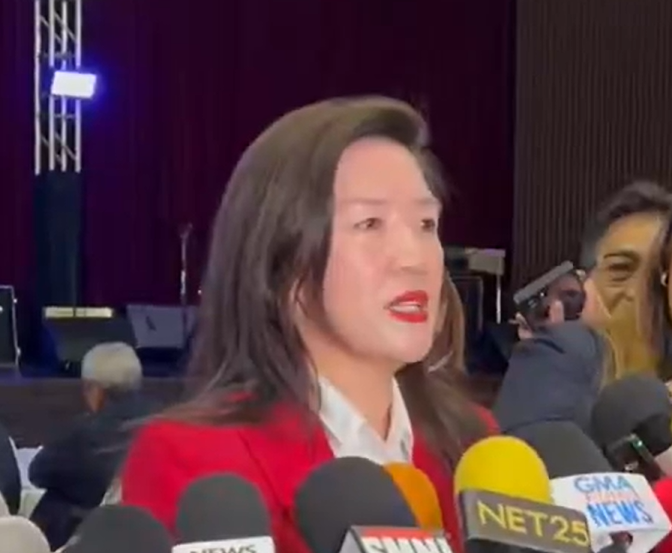
Camp John Hay, Baguio City — Government lawyers face a lot of challenges in prosecuting corruption cases amid tight Bank Secrecy Law and lack of whistleblower protection and freedom of information laws, a United Nations official said Tuesday.
Lawyer Kirbee Tibayan, National Program Officer of the Anti-Corruption Program of the United Nations Office on Drugs and Crimes, made the observation during the Strategic Planning Session of the Ombudsman here where she served as one of the speakers.
“The Philippines has taken measures in enhancing 'yung anti-corruption efforts, one of which is the National Government Procurement Act, which contains provisions to prevent corruption, especially in public procurement for flood control projects. But there are still gaps,” Tibayan told reporters.
“First of all, wala tayong Whistleblower Protection Act na national. ‘Yung mga whistleblowers natin, hindi natin maprotektahan and usually most ng information talaga na makakatulong para sugpuin ‘yung corruption ay galing sa mga whistleblowers. Secondly, the investigators are facing a lot of hurdles, obstacles, like Bank Secrecy law. We have that, which is very tight. Kung pwede [sana] ay paluwagin para to allow us to investigate these crimes,” she added.
(We don't have a national Whistleblower Protection Act. We cannot protect our whistleblowers, and most of the information we really need come from them. Also, easing the Bank Secrecy law can also help.)
Tibayan also cited Executive Order 2 on Freedom of Information issued by former President Rodrigo Duterte, which has limited coverage.
“The other thing [among the obstacles] is the Freedom of Information (FOI). Right now, we have Executive Order No. 2 and this covers agencies under the Executive department. But it does not cover legislative and judicial departments, kaya mas maganda kung meron tayong maipasa na [FOI] other than that,” she pointed out.
Ultimately, Tibayan said government agencies should work together prosecuting corruption because conspiracy among the corrupt is difficult to prove before the courts.
“Take for example [the criminal syndicates]. That is in an organization. When you catch someone, that might not be the big fish. But at the same time, there is conspiracy, so we need to prove that there was an agreement [among individuals] to commit a crime. Hindi siya madali (That is not easy to do),” she said.
Lawyer Kirbee Tibayan, National Program Officer of the Anti-Corruption program of the United Nations Office on Drugs and Crimes, identifies Bank Secrecy law, lack of law protecting whistleblowers, among others, as hurdles in prosecuting corruption cases @gmanews pic.twitter.com/udS8YVCR6L
— Llanesca T. Panti (@llanescajourno) February 10, 2026
—AOL, GMA Integrated News

