

 GMA Brandtalk
 Tracking
 Archives

Ombudsman revises rules to cut fact-finding for cases to 60 to 90 days

BAGUIO CITY – The Office of the Ombudsman has released its revised rules of procedure that shortened periods for fact-finding and preliminary investigation of complaints and prescribed penalties for direct and indirect contempt, among others.
In Administrative Order No. 1, series of 2026, the amended rules expedited the Ombudsman’s investigation processes while requiring a higher level of evidence to secure convictions.
From the previous six months to one year, the investigator should now finish the fact-finding process within 60 days for simple cases and 90 days for complex cases.
The revised rules also shortened the period for preliminary investigation of complaints to six months.
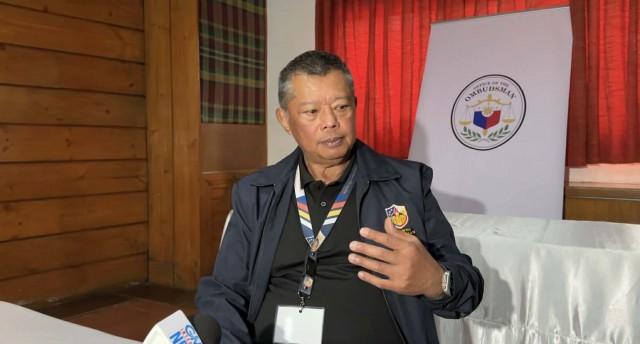
“Hindi na pwedeng forever ang sagutan. Dapat diyan, pag mayroong tanong, may sagot. At kung mayroong kaso o walang kaso, dapat ‘yan magka-alaman ‘yan na hindi aabot sa anim na buwan. Dapat siya sa anim na buwan, tapos lahat ‘yan. Pinakamahaba na ‘yun,” Ombudsman Jesus Crispin Remulla said in an exclusive interview with GMA Integrated News.
AO 1 also stressed that there should be prima facie evidence with a reasonable certainty of conviction before filing cases or criminal information before the court.
“That’s a prima facie case with reasonable certainty of conviction. Sa ganung paraan po, sigurado po tayo sa mga fina-file po natin na kaso. Dahil dati po, ‘yung probable cause, napakababa po ng antas ng, or level ng evidence na kailangan para lang mag-file ng kaso,” Ombudsman spokesperson Assistant Ombudsman Mico Clavano told GMA Integrated News in a separate interview.
This means that a higher level of evidence is required to file a case before the court. This is to ensure a higher chance of conviction against the accused.
“Gusto talaga ng mga tao na may conviction. Hindi lang nakukulong, kakasuhan, pero at the end, biglang lalaya dahil na-acquit. ‘Yung tunay na accountability po ay hanggang dulo,” Clavano said.
Another provision of AO 1 laid down the grounds for direct and indirect contempt and its penalties, which included fines and suspension if the person cited in contempt is a public officer under the Ombudsman’s jurisdiction.
Remulla cited non-compliance with the anti-graft body’s subpoenas and failure to produce documents as examples of indirect contempt.
“Maraming ayaw sumunod sa utos ng opisina na base sa kapangyarihan na binigay sa atin ng batas,” he said.
(Many do not want to follow the orders of this office that is based on the powers vested in me by the law.)
A provision in AO 1 stated that a person may be cited for direct contempt if he or she engages in the following:
- Misbehavior or conduct that tends to obstruct, interrupt, or disrupt the orderly conduct of the proceedings
- Disrespectful or offensive behavior towards the Ombudman, duly authorized official, or other persons present at the proceedings that undermines the authority or dignity of the Ombudsman
- Unjustifiable refusal to be sworn or to answer a question propounded, after being duly required to do so.
Meanwhile, a person may be punished for indirect contempt for the following acts:
- Disobedience of or resistance to a lawful writ, process, decision, resolution, or directive of the Office of the Ombudsman
- Abuse of or any unlawful interference with the Ombudsman’s processes or proceedings that do not fall under direct contempt
- Any improper conduct tending to impede, obstruct, or degrade the administration of justice
- Failure to obey a subpoena duly served.
The release of the Ombudsman’s revised rules of procedure came amid its investigation and prosecution of cases related to the flood control scandal.
Although Republic Act 6770 or the 1989 Ombudsman Act granted contempt powers to the Office of the Ombudsman, AO 1 spelled out the specific penalties for direct and indirect contempt.
In the case of direct contempt, penalties include a fine not exceeding P2,000, suspension not more than 10 days if the person is a public officer or employee under the Ombudsman’s jurisdiction, or both.
Those cited for indirect contempt face a heftier fine of not more than P30,000, suspension from office ranging from one month to six months, or both.
“Binalewala nila ang batas, parang binalewala nila yung ating legal system. So, contempt is in order,” Remulla said.
(They ignore our laws, it’s like they ignore our legal system. So contempt is in order.) — JMA, GMA Integrated News

