

 GMA Brandtalk
 Tracking
 Archives

Austria eyes intensifying cooperation with PH on healthcare, AI
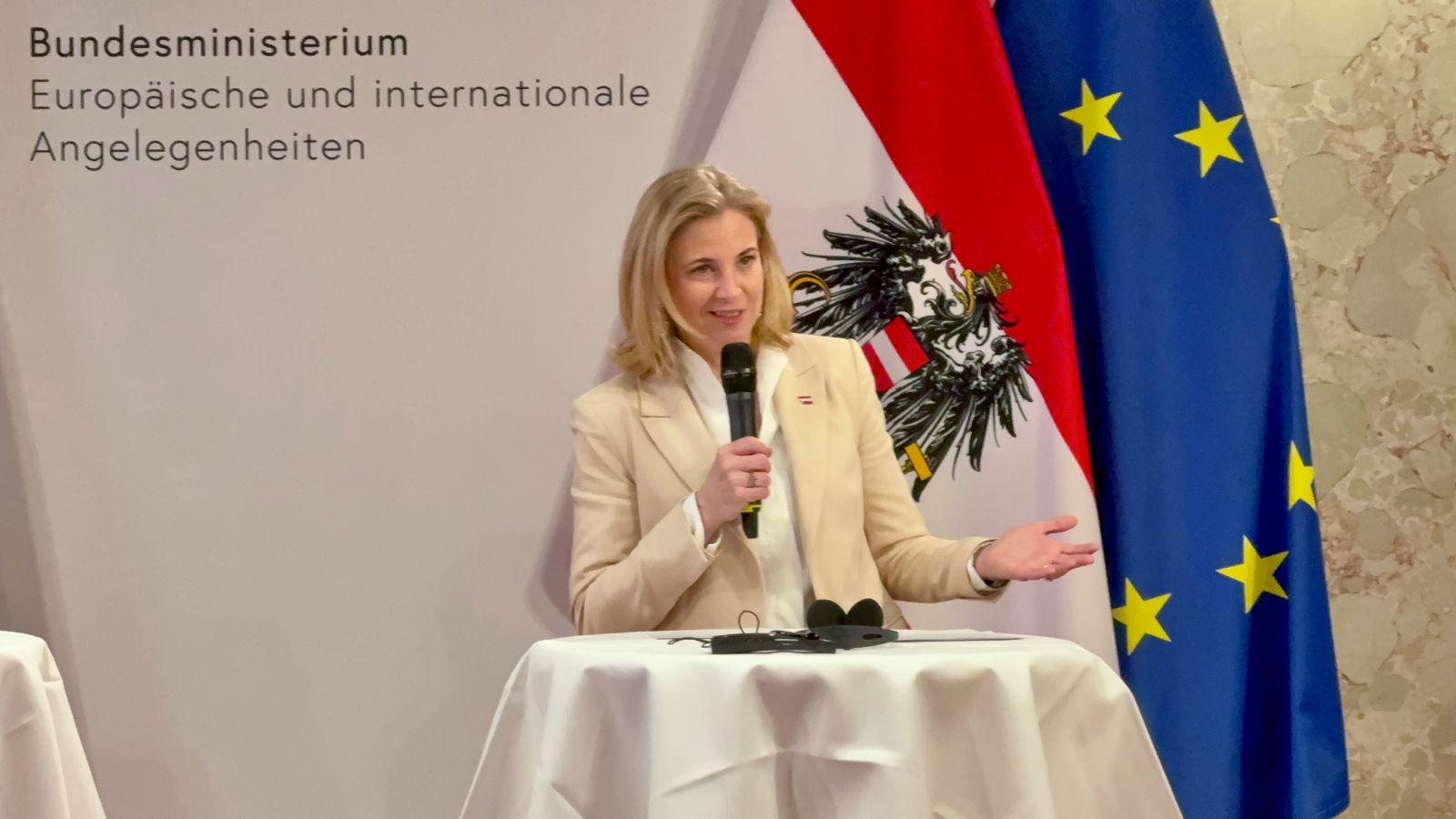
VIENNA – Austria is looking to intensify cooperation with the Philippines and create more opportunities for Filipino migrants as the two countries mark 80 years of bilateral relations.
“There is a lot of opportunity in the future, not only in the healthcare sector but also in other areas like artificial intelligence or life sciences. Our intention is to intensify our cooperation and create opportunities,” Austrian Minister for European and International Affairs Beate Meinl-Reisinger told GMA Integrated News, following her bilateral meeting on trade, cooperation, infrastructure, and investment with Department of Foreign Affairs (DFA) Secretary Maria Theresa Lazaro.
“Every memorandum, every relationship is only as strong as you have the people. And what you can see today is that since the 1970s, more than 30,000 Filipinos have come to Austria and are now a very important part of our society, cultural life, and healthcare system,” Meinl-Reisinger added.
In October 2023, the Philippines and Austria formalized a memorandum of understanding on the recruitment of Filipino professionals and skilled workers.
“It’s not limited to this, but the next [memoranda]. And we only have the best when it comes to our labor sector,” Lazaro said.
Second home
During the press briefing, Meinl-Reisinger described the Filipino diaspora in Austria as a “good example of successful integration,” and referenced the “outstanding quality, training, professionalism, love, and dedication” of Filipino nurses, many of whom are women.
“I know that for many, it’s become a cherished home. And, of course, the second and third generations are now also establishing themselves here in Austria. And that’s wonderful—that strengthens our ties. Please, don’t give up.”
Lazaro said around 6,665 Filipinos today “have made Austria their second home." Many of these migrants have already acquired Austrian citizenship yet remain rooted in their Philippine heritage.
One of the briefing speakers, 76-year-old retired nurse Rosa Maria Somera, recalled her arrival in Vienna in September 1974 and the ensuing experiences in Austria that “shaped my career and character."
“Vienna taught me self-reliance, responsibility, resilience, and compassion. It is more than just the city where I worked, but a place where I grew up, belonged, and found a second home. I am deeply grateful to the Austrian community and the state for the dignity, opportunities, and warm welcome they have given me,” Somera told Meinl-Reisinger and the audience in German.
When asked why Filipino nurses in Austria are highly regarded, Somera said it was because they teach their colleagues the “enduring value of love and compassion for every patient."
“A sincere kindness of heart remains the most powerful solution to the challenges we face with patients, their relatives, our superiors, and colleagues,” she added.
Somera and several colleagues from “Batch 1974,” or their group that arrived in Vienna in September 1974, are working on a publication project to “crystallize” their 50-year experience and memories against the backdrop of the 80-year relations between the Philippines and Austria.
Moving forward
Aside from expanding bilateral relations, Lazaro said the Philippines and Austria are also campaigning for non-permanent seats on the United Nations Security Council.
“We really hope that there will come a time when we will be working together in the Security Council,” Lazaro added.
Lazaro began her visit to Austria at the invitation of Meinl-Reisinger on February 10, starting bilateral discussions with a meeting on the 25th anniversary of the UN Security Council’s Women, Peace, and Security (WPS) agenda.
On Wednesday, she addressed ASEAN and European diplomats, academics, and the Filipino community in a lecture on the Philippines’ chairmanship of the Association of Southeast Asian Nations (ASEAN) this year.
“We hope that ASEAN can be an example of effective regional cooperation, even during these turbulent times. The Philippines and Austria have also cooperated in multilateral fora, supporting each other’s advocacy and candidatures in the United Nations and other international organizations,” Lazaro said. —VBL, GMA Integrated News

