

 GMA Brandtalk
 Tracking
 Archives

Illicit cigarette trade is ‘new POGO,’ says Quimbo
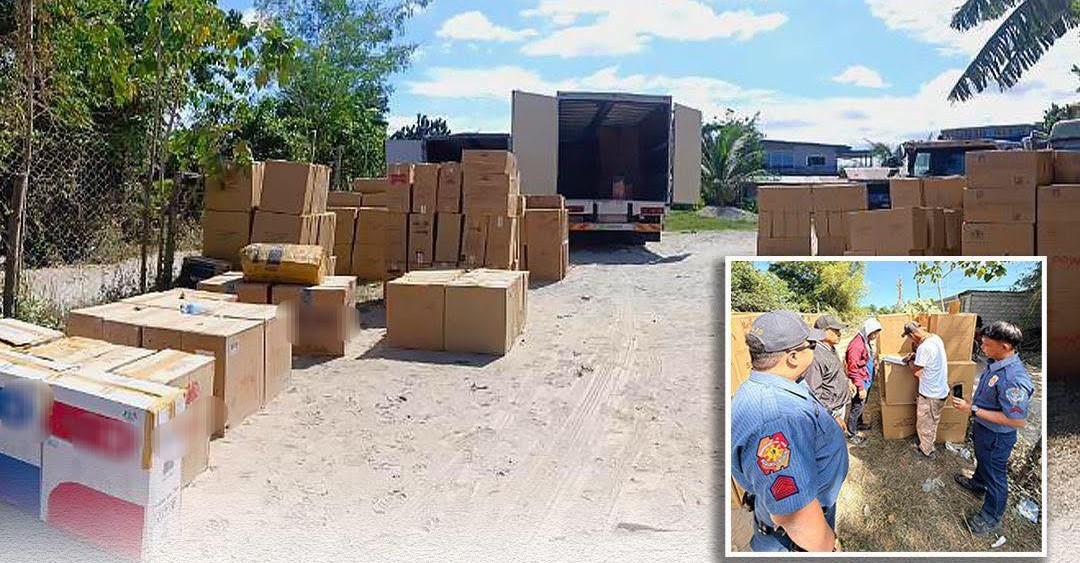
The illegal cigarette trade in the Philippines has become the “new POGO,” allegedly run by foreign nationals and marked by exploitative labor conditions, Marikina City 2nd District Rep. Romero Federico Quimbo said on Sunday.
Quimbo said authorities uncovered illicit cigarette manufacturing operations in Central Luzon that were allegedly being run by foreigners, including some Chinese nationals purportedly linked to now-banned Philippine offshore gaming operations (POGO).
“Pagdating sa manufacturing ng illicit cigarettes sa Central Luzon, may mga nadiskubre tayo na ang nagpapatakbo ay mga foreigners, mga Chinese din, na mga konektado rin sa POGO,” he said in an interview over Super Radyo dzBB.
(We have discovered that foreigners, some of whom are Chinese connected to POGO, run the manufacturing of illicit cigarettes.)
He added that the groups may have shifted to the illegal tobacco trade after offshore gaming operations were halted in 2024.
“Siguro nung napahinto nung 2024 ang kanilang negosyo, naghanap sila ng panibagong racket. At tulad ng POGO, supported sila ng mga local politicians at ng mga law enforcement agencies,” he said.
(Probably when their business was shut down in 2024, they looked for a new racket. And like POGO, it is supported by local politicians and law enforcement agencies.)
Quimbo said the involvement of organized syndicates allows illicit traders to sell cigarettes for as low as ₱40 per pack—far below the typical retail price of ₱180 to ₱200—undercutting legitimate products and tax collections.
Earlier, Interior Secretary Juanito Victor Remulla disclosed that two Central Luzon politicians allegedly linked to illegal tobacco production had attempted to contact him.
Quimbo, who chairs the House Committee on Ways and Means, said the government lost an estimated ₱28 billion to ₱31 billion in tax revenues annually in 2024 due to illicit cigarette sales.
“Gusto natin maihinto ito dahil dumadami ang naninigarilyo,” he said, noting that smoking causes about 100,000 deaths each year.
(We want to stop this because more people are smoking.)
In a recent report, international watchdog STOP flagged findings that some registered cigarette brands were being sold without proper tax stamps and at unusually low prices, indicating possible tax evasion and supply-chain leakages.
The group warned that such practices not only deprive the government of revenues but also make cigarettes more accessible, potentially increasing consumption.—MCG, GMA Integrated News

