

 GMA Brandtalk
 Tracking
 Archives

Turn acceptance into action for persons with intellectual disabilities, NCDA urges public
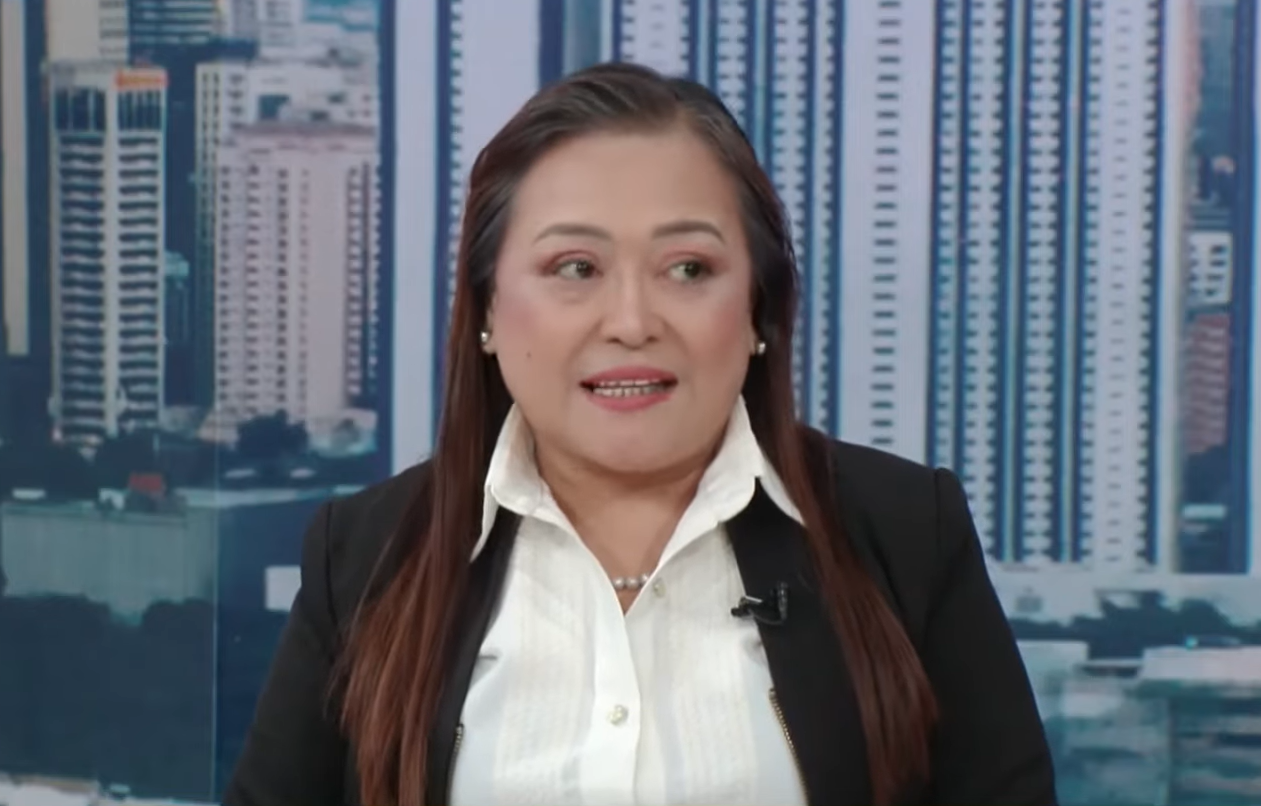
The National Council on Disability Affairs (NCDA) on Wednesday called on communities, businesses, and institutions to move beyond awareness and actively create inclusive spaces for persons with intellectual disabilities.
In an interview on Bagong Pilipinas Ngayon, NCDA Executive Director Glenda Relova said that inclusion begins with everyday decisions—from how establishments treat customers to how employers open opportunities.
“When we say inclusion, ito po yung tunay na pagtanggap natin sa mga sektor na may intellectual disability,” Relova said, stressing that genuine acceptance must translate into practice, not just policy.
(When we say inclusion, this refers to our genuine acceptance of the sector with intellectual disabilities.)
She urged businesses to provide reasonable accommodations and avoid stereotyping individuals as incapable.
“Siyempre nandoon din yung aming pangarap na huwag natin silang i-box or i-kahon na wala silang kakayahan. Kasi kung mabibigyan lang natin sila ng tamang oportunidad, nakaka-contribute rin sila sa economic activity ng ating nation,” she added.
(It is our hope that we do not box them in as having no capabilities. If given the right opportunities, they can contribute to the nation’s economic activity.)
According to NCDA data, there are 157,871 persons with intellectual disabilities in the country.
The council said inclusion is not an act of charity but a legal and social obligation, noting that reasonable accommodation is a right guaranteed under the Magna Carta for Persons with Disabilities.
“Hindi ito charity or hindi awa, kung hindi isang karapatan po nila. Ito po ay pagbibigay ng social justice sa mga sektor na ito,” Relova said.
(This is not charity or pity—it is their right. It is a matter of social justice.)
To support families, the NCDA continues to roll out its DARE CAREvan program, which provides free developmental assessments for children with disabilities and guidance for parents on home-based interventions.
“Minsan po kasi parang ang nararamdaman ng family is they are alone… nagbibigay tayo ng parents education upang ma-understand nila kung ano yung pinagdadaanan ng anak nila,” she said.
(Sometimes families feel they are alone… we provide parent education so they can understand what their child is going through.)
The NCDA also reminded the public that discrimination can be reported, and affected individuals may seek assistance from the agency to pursue cases under existing disability rights laws.—MCG, GMA Integrated News

