

 GMA Brandtalk
 Tracking
 Archives

Amid Trump policies, American lawyer offers tips on US visa applications
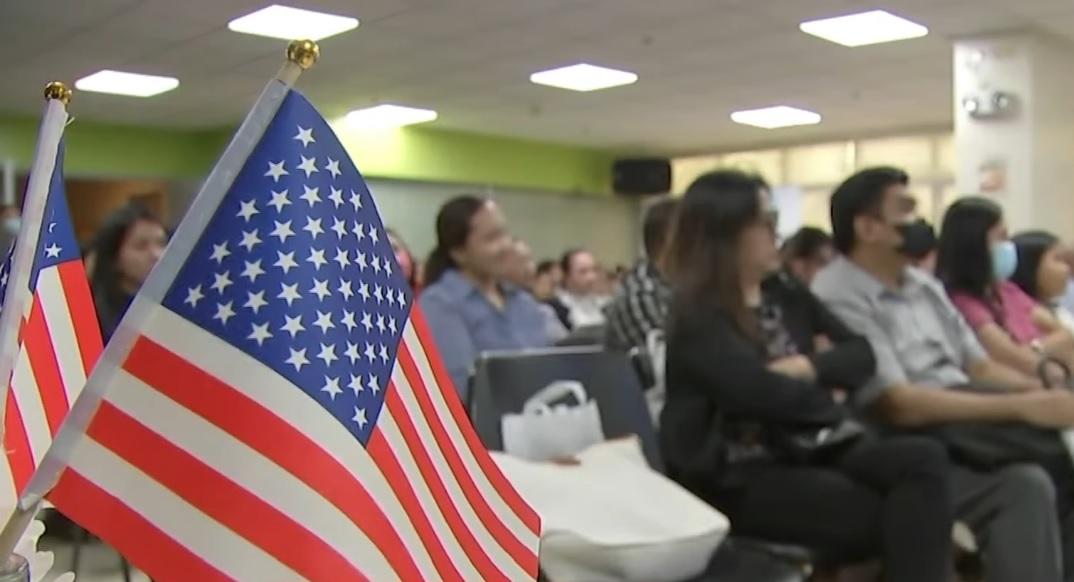
With tighter immigration policies in place under the Trump administration, a US-based immigration lawyer said American visa applications—whether for immigrants or non-immigrants—have become "tougher."
In January, the US State Department reported it had revoked more than 100,000 visa applications since the resumption of stricter enforcement last year under the presidency of Donald Trump.
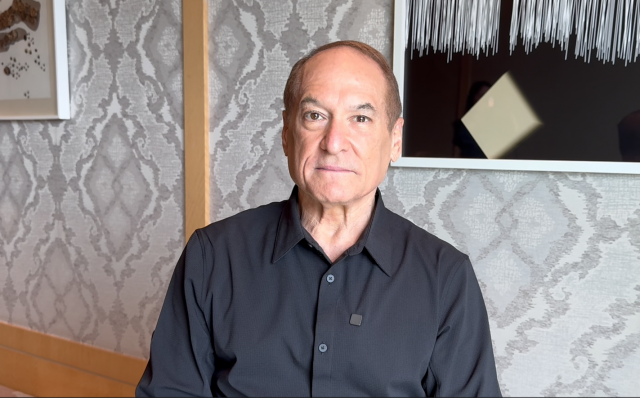
"Under Trump, applying for visas—whether non-immigrant or immigrant—is getting a lot tougher," American immigration lawyer Michael Gurfinkel told GMA Integrated News.
"The attitude should be looking for ways to approve cases, but instead, under Trump, it's looking for ways to deny the case," he said.
According to Gurfinkel, visa applications are now facing stricter scrutiny under the US Citizenship and Immigration Services (USCIS).
To help Filipinos navigate the process, he offered tips including checking eligibility, preparing complete documents, properly filling out forms, answering interview questions consistently, and considering hiring an immigration lawyer.
Like 'Russian roulette'
Gurfinkel said Filipinos should ensure that they are eligible for the immigration benefits they are applying for before filing any petition.
"For Trump, what is going on is they're not only denying a case if they feel the person's not entitled, but they're putting the person in deportation as well if, because of the denial, they become tago nang tago," he said, referring to what Filipinos refer to as "TNT" or undocumented aliens avoiding immigration authorities abroad.
"So the stakes are really high. It's almost like playing Russian roulette when you apply for benefits," he added.
Social media, documents, interviews
The immigration attorney advised applicants to prepare all necessary documents, fill out forms correctly, and answer interview questions honestly and consistently. He also said USCIS conducts in-depth examinations of applications, including reviewing social media accounts.
"Be careful about what you're posting because the embassy or USCIS are looking at your types of postings there," Gurfinkel said. "If you're already anti-American, chances are your interview is not going to go well or you're going to get refused."
Longer processing
Meanwhile, Gurfinkel said employment-based green cards remain available despite reports of lengthier processing times.
The Philippine Nurses Association of America (PNAA) recently said Filipino nurses preparing for deployment to the US have been waiting longer for their visas to be released as processing times—some already taking several years—have become even more lengthy under the Trump administration.
The immigration lawyer said the USCIS attributed the delays to the backlogs from the COVID-19 pandemic and understaffing.
"If you are still within processing times... the National Visa Center keeps sending notices. You know, you are documentarily complete. You're being queued up... that would seem to be fairly normal," Gurfinkel said.
"But if it's way past time, if you've been documentarily qualified for years and still waiting, you may want to see an attorney or if your facility has an attorney, have that attorney follow up with the NVC to see what's going on," he added.
Gurfinkel likewise underscored the basic requirements for employment-based visas including job vacancy, and qualifications for the available position.
Employers should be able to present proof that they can pay for the wages, he added.
Legal representation
Gurfinkel also stressed the importance of hiring an immigration lawyer.
"An attorney will be there to protect you, to look after your rights, to make sure the interview goes smoothly, the questions are understood and answered properly," he said. "In addition, the attorney preps you before the time of the interviews."
He cited common red flags that immigration officers look for, including misrepresenting marital status or using an assumed identity in applications.
What to do if denied
If an application is denied, Gurfinkel advised Filipinos to seek legal guidance to determine the reason and explore possible remedies, including applying for a waiver.
"While an attorney cannot guarantee success, an attorney can greatly increase your chances of success," he said.
"An attorney can be there to make sure you are eligible, help you gather the necessary documents, fill out forms properly, and avoid miscommunications that could lead to denials," he added. — VDV, GMA Integrated News

