

 GMA Brandtalk
 Tracking
 Archives

PH transparency initiative and diplomacy can co-exist, says senior gov't official
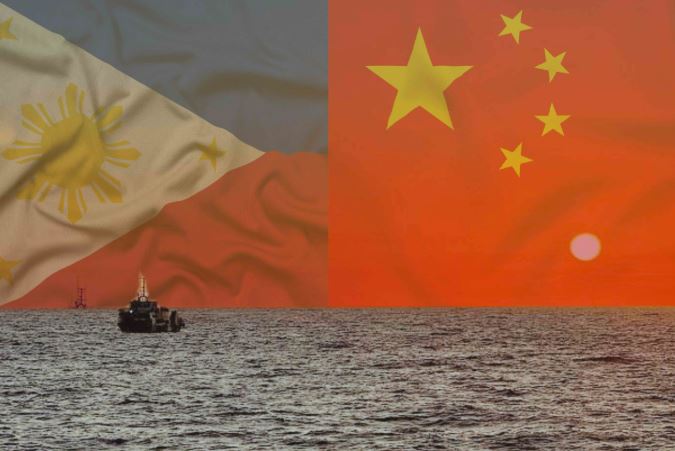
Diplomacy and the Philippine government’s transparency initiative, which exposes Chinese aggression in the country’s waters, can work side by side as effective tools to deter threats and help manage Manila’s often violent maritime rifts with Beijing, a senior Philippine official said Monday.
The official, who spoke to Filipino and foreign journalists in Manila on background, said these are all considered “sovereign power and capacity” tools that can be utilized by the Philippine government at the same time.
“Both transparency, military capability and diplomacy can co-exist. There is no issue there,” said the official, who is privy to the government's security and maritime policies, while dismissing insinuations that the Department of Foreign Affairs is against the transparency initiative of the administration of President Ferdinand Marcos Jr.
“Transparency is a tactic. It is a tool by which you achieve an objective. The same with military capability and diplomacy,” the official said.
As hostilities between Philippine and Chinese forces flared in the past two years in the South China Sea, Manila has adopted a strategy of publicly releasing videos and photos of Chinese harassment in the West Philippine Sea, that part of the resource-rich waters near the Philippine archipelago.
The transparency initiative by the Philippines has gained international attention, prompting many countries to denounce Beijing's assertive actions.
“The DFA is not against transparency,” said the official, “I think that is a misconception that must be corrected.”
However, the official warned that the transparency policy can fail “when conveyed as something that is the ends rather than the means.”
The military and the DFA appear to have opposing strategies on how to handle the country’s disputes with China in the West Philippine Sea,
While defense and security officials advocate for transparency initiative, the DFA opted for a more traditional diplomatic approach.
The DFA earlier said “effective diplomacy” should “play a very central role” in all engagements with China – a position supported by the senior Philippine government official.
Manila, the official said, can still hold dialogues with Beijing while strongly defending its territory and maritime rights.
The Philippine government, through the DFA, negotiated a landmark agreement with Beijing on a provisional arrangement for the Philippine delivery of supplies to Filipino forces at Ayungin Shoal to prevent a repeat of past confrontations.
A rusting World War II-era vessel has been intentionally grounded by the Philippines at the shoal in 1998. It is a low tide elevation that is within the Philippines’ exclusive economic zone and continental shelf.
Signed in July 2024 between senior Philippine and Chinese diplomats, the agreement seeks to avoid altercations and ease tensions after a violent clash between Philippine Navy special forces and Chinese coast guard personnel on June 17, 2024 at the Philippine-occupied area.
Since the forging of the agreement, succeeding resupply missions to the shoal have been peaceful with Chinese ships keeping watch at a distance.
“Diplomacy is a bigger tool because it encompasses on a lot more than political security areas – there’s economic, cultural, people to people. And for us it is important to push those forward without changing the stance in the maritime domain,” the official said.
The sea disputes, the official added, “are not the sum total of the relationship.”
“There is a lot of incentive for us to try to push the other areas forward and at the same time we're not conceding or we’re not changing the consistency or firmness with which we push our positions in the maritime space,” the official said. —LDF, GMA Integrated News

