

 GMA Brandtalk
 Tracking
 Archives

SC: Items seized in warrantless arrest admissible even if not in plain view
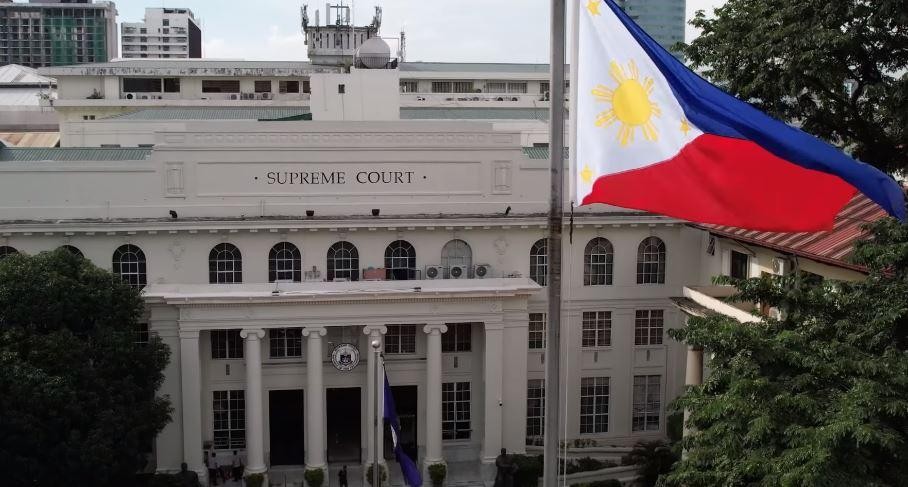
The Supreme Court (SC) has ruled that items seized during a lawful warrantless arrest may be admitted as evidence even if they are not in plain view of the arresting officers.
In a 16-page decision, the Supreme Court’s First Division upheld the conviction of a drug suspect and clarified that the plain view doctrine merely supplements the justification for a valid warrantless search.
“For these reasons, compliance with the plain view doctrine is not always required to justify a warrantless search and seizure. This is especially true if the search is limited to the person of the accused, where the seized items are usually hidden,” the decision stated.
In its October 2025 decision, authored by Associate Justice Ricardo Rosario and made public in February 2026, the court stressed the limits of the plain view doctrine.
“Furthermore, seizure of evidence in plain view does not apply if law enforcement officers are intentionally searching the person of the accused for evidence, as most objects that can be recovered are not in plain view,” it added.
The decision stemmed from a case that involved an individual from San Carlos City in Pangasinan who was arrested during a buy-bust operation in 2017.
During a body search, an officer found three sachets of suspected shabu hidden inside a cellphone charger.
The accused argued that the additional sachets should not be admitted because they were not in plain view.
However, both the Regional Trial Court and the Court of Appeals had already convicted him of illegal possession of shabu.
The SC agreed with the lower courts, emphasizing that the plain view doctrine is not always necessary to justify a warrantless search, particularly when officers lawfully search a person who has been arrested.
The accused was sentenced to a maximum of 16 years in prison.—MCG, GMA Integrated News

