

 GMA Brandtalk
 Tracking
 Archives

Drug war victims' counsel refutes Duterte camp's 'no common criminal plan' defense
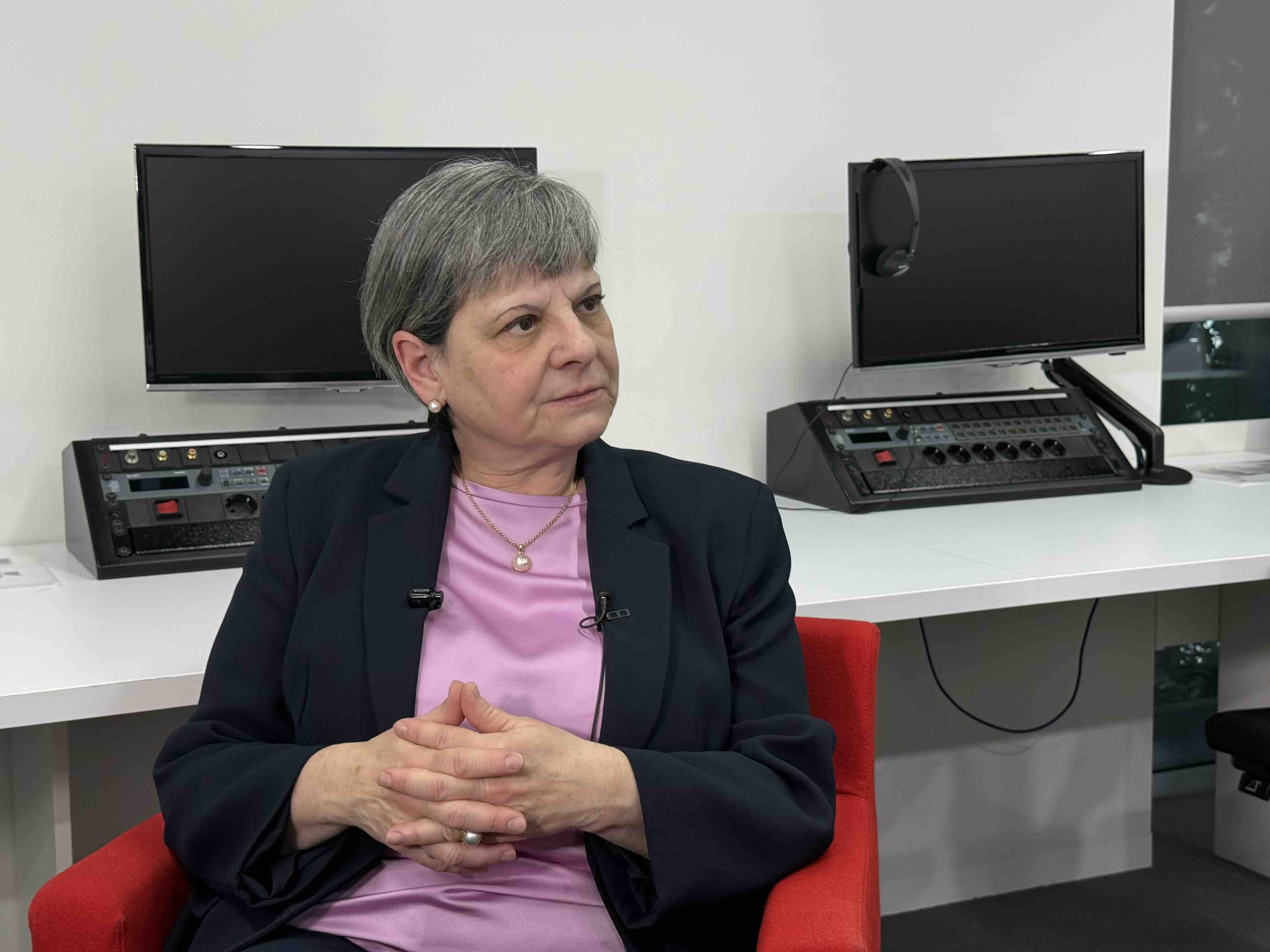
THE HAGUE – The Office of Public Counsel for Victims (OPCV) refuted the argument of former President Rodrigo Duterte’s camp that there was no "common criminal plan" during his administration’s deadly war on drugs.
“The Defense today is trying to indicate that the number of victims is low, and therefore, we don’t arrive at the threshold [to say that the drug war war] widespread and systematic. I’m sorry, but we are talking about thousands of victims,” OPCV head counsel Paolina Massidda told GMA Integrated News in an exclusive interview following the Defense’s submission of merits in the confirmation of charges hearing on Thursday.
“I really think that it’s a misunderstanding and a misinterpretation of the available evidence in the record, so far,” she added.
During the hearing, Duterte’s counsel Atty. Nicholas Kaufman questioned the Office of the Prosecutor’s (OTP) submission that the killings were "widespread and systematic."
Kaufman presented a chart showing that from July 2016 to February 2019, around 97% of drug personalities were arrested in anti-drug operations, while 3% were deaths.
“If I may just conclude, the only thing that is widespread here, or rather spread wide, is the utility of the prosecution’s statistics,” Kaufman said.
Aside from this, the Defense questioned the quality of evidence submitted by the OTP, saying it failed to establish a direct link between Duterte and the alleged hitmen and vigilantes.
"Evidence is strong"
Massida, however, sees the Defense’s claim as a “technique” but she maintained that the OTP’s evidence is “strong.”
“The prosecution will have the opportunity to respond on Friday about that, and we are also preparing some arguments to counter-argue. Again, I would like to stress that in our assessment of these lawyers, the evidence is strong," she said.
“To some extent, the full presentation of all the evidence by the OTP was also taking into account the fact that not all elements—the confidential elements—could not be disclosed. But these are elements which are available to the judges, because they have access to the entire full confidential record, as do we, as lawyers. Having looked at the evidence, we are still confident that the threshold can be met,” added Massida.
"Neutralize"
Duterte’s defense team insisted that “neutralization” meant arrest, surrender, or lawful restraint, and not “killing” as the OTP alleged in its submission.
But Massida refuted Kaufman’s assertion saying there was “always a component of [the perpetrators] wanting to kill,” based on the victims’ view of what happened on the ground.
“‘Neutralize’, in the victim’s view, was really used to meant that people had to be killed. There are a number of elements in the case record that goes towards that direction,” Massida said.
She also challenged Kaufman’s citing of police manuals and other documents, saying these are “insufficient” as evidence as they were written “in a way which have to take into account human rights, and lawful arrest, and lawful procedure.”
“I would be surprised if these manuals will contain instances that say, ‘You have to use force, and you have to kill.’ I mean, it’s a pure matter of interpretation,” she said.
Massida said that the meaning of ‘neutralize’ is “rightly understood” by the OPCV in the context of the killings, and through Duterte’s public statements.
“’Neutralize’ [to kill] was actually the case, and that there was a policy at the governmental level, which can be reconducted to Mr. Duterte, indicating that the killings was the normal way of proceeding in these cases.’
As the OTP, OPCV, the Common Legal Representatives of Victims (CLRV), and Duterte’s defense have made their submissions, Massida emphasizes that it is the victims that are continuously reminded of what happened during the drug war.
“This is real, and this is ongoing each day. And relieving some images can be very disturbing for the victims,” Massida told GMA Integrated News.
Decision
The OPCV and CLRV, as represented by Atty. Joel Butuyan and Atty. Gilbert Andres, are preparing for their rebuttals during their respective closing statements on Friday.
Following the end of Duterte’s charge confirmation hearing, the Pre-Trial Chamber I will have up to 60 days to decide on whether the charges are fully or partly sufficient to go for a full trial.
“We will have to wait at least until end of April. And then, when we will have a decision on the confirmation, then also as lawyers for victims, we will be able to plan ahead, depending on what the it will be,” Massida said.
Kaufman has said that Duterte remains “in good spirits” as the defense prepares to complete its submissions in the confirmation of charges hearing. —VAL, GMA Integrated News

