

 GMA Brandtalk
 Tracking
 Archives

SP Sotto wants to clarify ‘marginalized’ groups in party-list reform bill
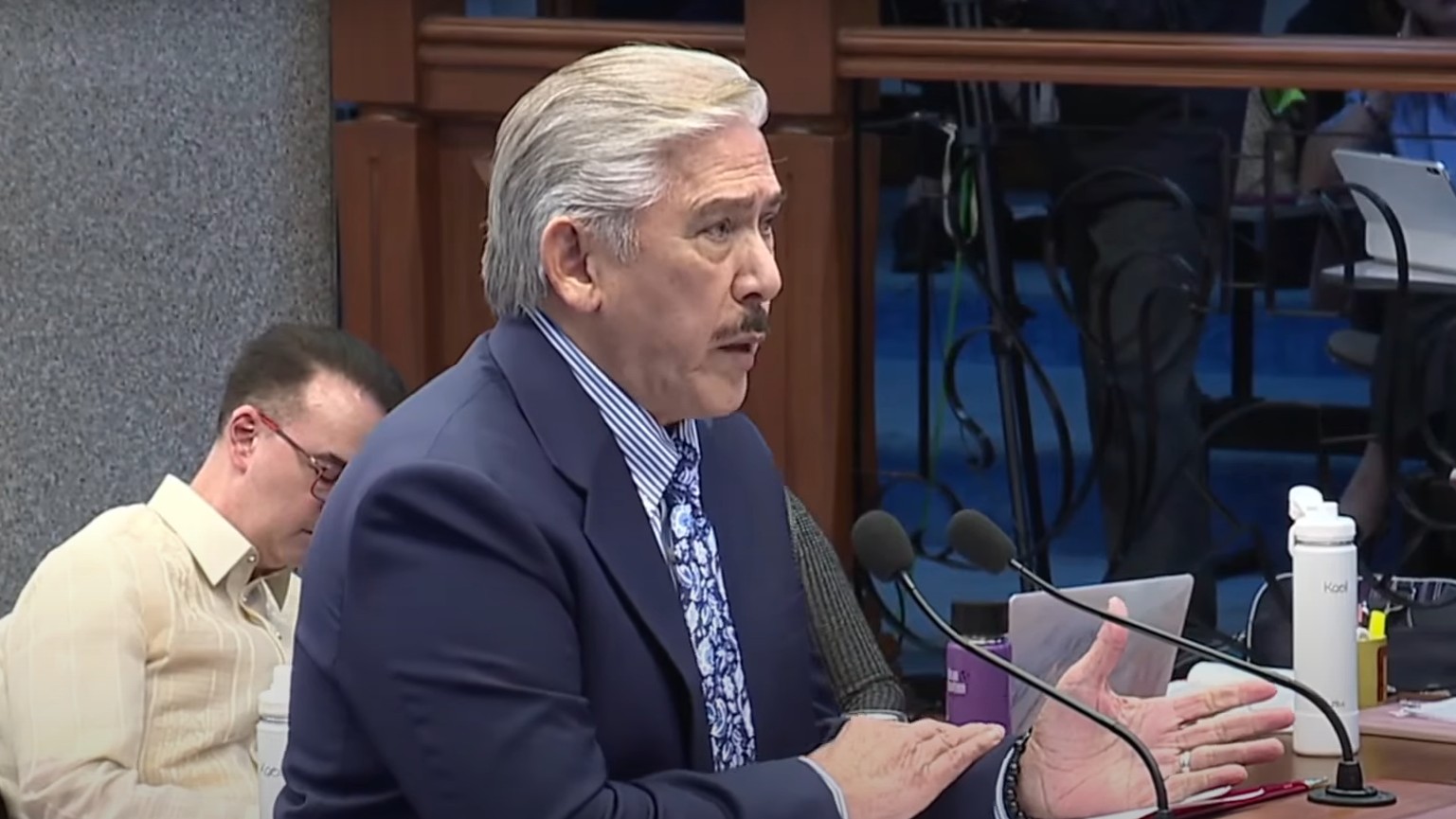
Senate President Vicente “Tito” Sotto III on Monday sought to clarify who belong to marginalized groups as the Senate tackles the proposed measure on the country’s party-list system.
During his opening statement, Sotto questioned whether provincial groups belong to the marginalized.
“Yung mga provincial groups, marginalized ba yon? Ang dami nilang congressman. Mga regions, ang dami ng congressman. Paano silang naging marginalized?” Sotto said.
“Hopefully this time, the law will be very specific at maiwasan yung mga room for interpretation or misinterpretation,” he added.
The Party-List System Act states that Filipinos belonging to the marginalized and underrepresented sectors can become members of the House of Representatives.
Sotto said only parties that receive at least two percent of the total votes cast should have a seat at the House of Representatives.
“Kung 10 party-list lang nakapasok sa two percent, 10 lang. Kung 100, 100. Pero pupunuin natin para mapuno… dapat ipagbawal natin yun,” the senator said.
(If only 10 party-lists make it to the two percent, then we only have 10. If 100, then we have 100. But we should ban filling up the vacant seats just for the sake of completing it.)
As provided by the Party-list Law, Supreme Court decisions on the computation of party-list seats, and the Philippine Constitution, parties that receive at least two percent of the total votes cast for the party-list system shall be entitled to one seat each.
An additional seat will be granted to a party-list that will be able to secure more than 2% of the votes cast, proportional to the additional percentage it got, but the maximum number of seats is only three.
If party-list groups with 2% and higher votes are not able to fill all the 63 seats, the next-in-line groups with the closest vote share to 2% will get to secure one seat each until all party-list seats are filled.
Meanwhile, Senator Kiko Pangilinan has filed a measure proposing to prohibit members of political dynasties from becoming or substituting as party-list representatives or nominees.
According to a statement on Monday, the proposed measure was filed on February 26, Senate Bill No. 1907. It aims to amend the Party-List System Act.
It proposes that “no person may become or substitute for a party-list nominee or otherwise become a party-list representative” if they are a spouse or relative within the fourth degree of consanguinity or affinity of an incumbent president, vice president, senator, district or party-list representative, governor, vice governor, mayor, or vice mayor.
The prohibition also includes the spouse or relative within the fourth degree of consanguinity or affinity of a nominee of any party-list organization in the same election.
A party-list nominee or representative, or party-list organization, is prohibited from directly or indirectly holding contracts or sub-contracts to supply the government or any of its divisions, sub-divisions, or instrumentalities with goods, services, construction, and other works.
Nominees or representative and their spouse or relative within the second degree of consanguinity or affinity cannot serve as a partner, director, officer, member, or stockholder of any corporation or partnership that holds such contracts.
The Commission on Elections (COMELEC) is tasked to issue a motu proprio, or upon verified petition, remove or disqualify the party-list nominee on the ground that they do not possess any of the qualifications of a party-list nominee or that they possess any of the prohibitions. —RF, GMA Integrated News

