

 GMA Brandtalk
 Tracking
 Archives

House approves bill allowing dual citizens to be SUC faculty members
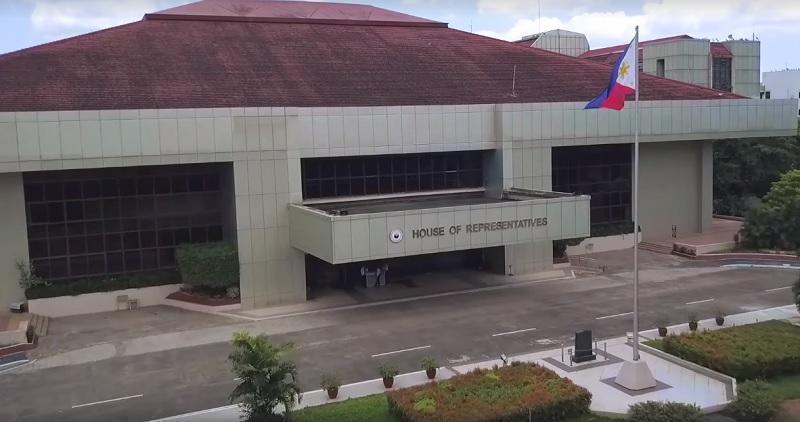
The House of Representatives has approved a bill allowing the appointment of individuals who have dual citizenship as faculty, researchers, and administrators in state universities and colleges (SUCs) on third and final reading.
This happened after 244 House members voted in favor of House Bill 5019 during the plenary session late Tuesday as against five who opposed.
House Bill 5019 provides that dual citizens will no longer be required to renounce the oath of allegiance they previously took to another country as a condition for their assumption of office for a post in SUCs.
The bill, which amends Citizenship Retention and Reacquisition Act of 2003, argues that such practical adjustment “recognizes the difference between elective or policy posts and technical roles needed to strengthen teaching, research and campus administration.”
House Majority Leader Ferdinand Alexander “Sandro” Marcos of Ilocos Norte, one of the authors of the measure, said in a statement that the bill will help public higher education institutions tap a wider pool of talent, including Filipino experts who have built careers abroad.
“The measure is rooted in a straightforward goal: let public universities compete for excellence and keep Filipino expertise connected to the country’s classrooms and laboratories. Opening SUCs to qualified dual citizens as faculty, researchers and administrators expands its capacity to teach, innovate and mentor the next generation,” the bill read.
Philippine History
Also on Tuesday, the House approved House Bill 7808 which mandates the inclusion of the comprehensive study of Philippine history during World War II under the general education curriculum in tertiary education under third and final reading.
The measure, which got 250 yes votes, requires that the World War II component must cover at least 50% of the mandatory Philippine history subjects offered under the general education curriculum.
The implementation will be led by the Commission on Higher Education (CHED) in close collaboration with the Philippine Veterans Affairs Office under the Department of National Defense.
Likewise, the bill also encourages higher educational institutions to maintain adequate books, resources and reference materials in their libraries and learning resource centers, while CHED is tasked to issue the implementing rules and regulations within 180 days from the law’s effectivity. —VAL, GMA Integrated News

