

 GMA Brandtalk
 Tracking
 Archives

Annual fishing ban boosted PH galunggong stocks, BFAR says
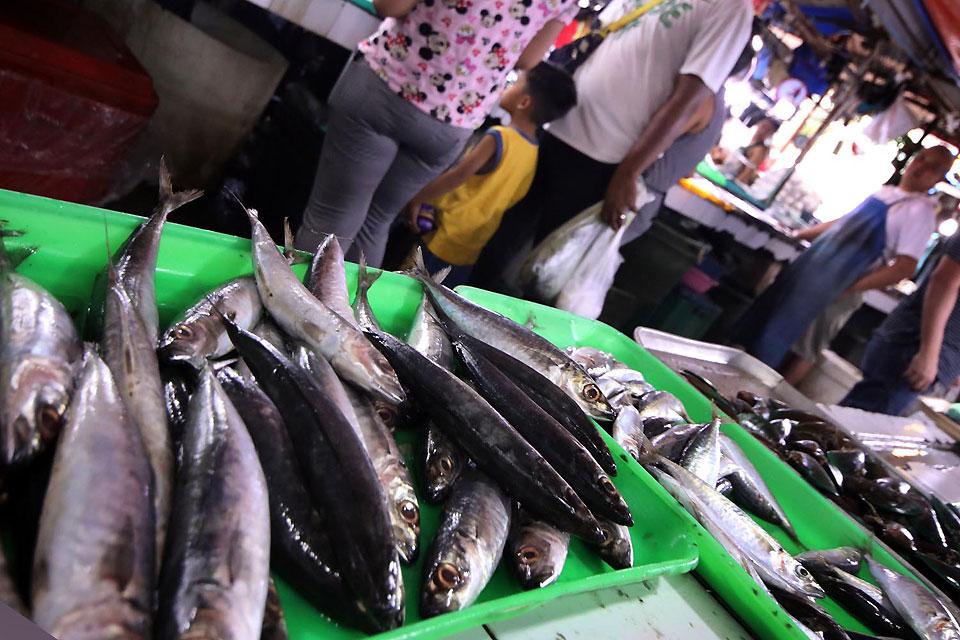
The Bureau of Fisheries and Aquatic Resources (BFAR) on Friday said the annual closed fishing season for galunggong (roundscad) has been instrumental in ensuring the fish staple's sustainable yield and enhanced volume production.
In a press release, BFAR National Director Elizer Salilig said the fishing cycle, which has been enforced for over ten years, allows galunggong to thrive in the waters off Palawan.
"The success of the annual roundscad fishing cycle in Palawan shows what we can do together through science and discipline. It proves that science-based conservation is not a hindrance to the fishing industry, but its greatest ally," Salilig said.
Salilig also said the National Stock Assessment Program has confirmed the positive impact of the annual fishing ban.
The annual fishing ban contributed to an improved volume of roundscad production at 3,363.75 MT in the third quarter of 2024, or an increase of 55.1%.
It was the top contributor to the total commercial fisheries production in MIMAROPA, which accounted for 27.1% of the total fish catch.
This policy also led to a decrease in fishing mortality and the amount of immature galunggong in the catch. The roundscad also showed an increase in average length from 16.8 cm in 2015 to 17.6 cm in 2024, suggesting "improved growth and a healthier, more mature population."
Implemented under the Joint Administrative Order No. 01 s. 2015 of the Department of Agriculture and Department of the Interior and Local Government (DILG), the closed season for commercial fishing of roundscad takes effect from November 1 to January 31. The ban is lifted between February 1 and October 31.
The fishing cycle covers the West Philippine Sea and the Northern Sulu Sea, leaving the galunggong breeding ground largely undisturbed during the closed season.
Meanwhile, Salilig thanked the Palawan fishing community for continuing to comply with the annual fishing cycle.
"By respecting the natural spawning cycles of the galunggong, we are not just protecting an ecosystem; we are securing the food supply and the livelihoods of thousands of Filipino fishers for years to come," he said.
In an interview last February, the Association of Fresh Fish Traders of the Philippines Inc. said it expected galunggong prices to start declining this month as more Filipino commercial fishermen will be able to catch fish at sea.
From over P400 per kilo in some markets, the association said the galunggong may be sold in some markets for half of this amount, or even less, starting this March. — VDV, GMA Integrated New

