

 GMA Brandtalk
 Tracking
 Archives

Lawmaker pushes for P7K monthly subsidy for low income sectors
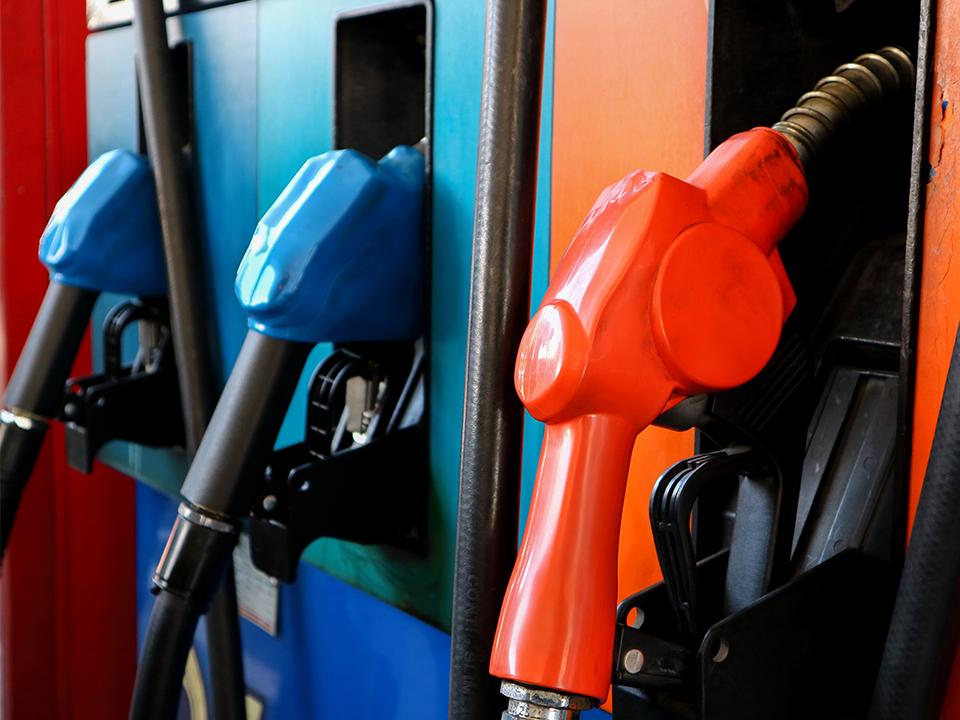
A bill pushing for a P7,000 monthly fuel subsidy to workers in low-income sectors has been filed before the House of Representatives amid rising fuel costs due to the ongoing conflict in the Middle East.
Parañaque Rep. Brian Yamsuan made the proposal under House Bill 8340, which targets a subsidy for those working in farms, fisheries, public transport, agricultural production, and other low-income sectors.
Yamsuan said this will complement the bill which authorizes President Ferdinand Marcos, Jr. to suspend or reduce excise taxes on fuel.
“Several measures have been filed in Congress seeking to provide fuel subsidies to specific sectors, such as fisherfolk and farmers, and separate proposals focused solely on public transport drivers. This bill builds upon these efforts by integrating them into a single, comprehensive program that covers all sectors whose livelihoods are directly dependent on fuel,” Yamsuan, the vice chairperson of the House Committee on Transportation, said.
“While these occupations may differ, these beneficiaries share one reality—their ability to earn a living—and the food they bring to their families’ tables—are deeply and directly affected by the price of oil,” Yamsuan added.
Under the proposed bill, the subsidy will be funded under the General Appropriations Act, specifically under the allocation for the Department of Energy, Department of Transportation, Department of Agriculture and the Department of Social Welfare and Development.
The bill also states that the recipients of the fuel subsidy program must be registered to existing government registries, including the database of the Land Transportation Franchising and Regulatory Board (LTFRB), the Municipal Fisherfolk Registration System, the boat registry of the Bureau of Fisheries and Aquatic Resources (BFAR) and the Registry System for Basic Sectors in Agriculture (RSBSA).
“Studies done in the agriculture and fisheries sector show that subsidies, which reduce the cost of production inputs, enable small producers to sustain operations during price shocks, and maintain supply levels that help stabilize the prices of food and other basic commodities. This way, we would also be able to streamline the distribution of the aid, strengthen our sectoral databases, and encourage others who should benefit from the subsidy but have not yet been captured by the system to register,” Yamsuan said.
The bill also provides for the creation of an Advisory Council chaired by the Secretary of Transportation to review and adjust the amount of the cash subsidies whenever necessary.
The Advisory Council will consist of:
- Secretary of Transportation as chairperson
- Chairperson of the LTFRB as co-chairperson
- Energy Secretary of Energy
- Labor and Employment Secretary
- Budget and Management Secretary
- Finance Secretary
- Interior and Local Government Secretary
The Palace on Wednesday announced the provision of a P5,000 fuel subsidy for public transport drivers affected by rising fuel prices, an aid that will be distributed by next week.
Yamsuan’s bill, however, explicitly states that the benefits provided for under House Bill 8340 will not reduce, withdraw, or otherwise diminish any benefit, assistance, or privilege currently enjoyed by transport workers, farmers, fisherfolk, and other eligible beneficiaries under existing laws, ordinances, rules, regulations, or programs.
These existing benefits include but are not limited to existing fuel subsidies, livelihood assistance, insurance coverage, training opportunities, access to production resources, and other socio-economic support programs being implemented by national government agencies or local government units (LGUs), provided that no modification or discontinuance of such benefits shall be made without due process and prior consultation with the affected sectors and relevant stakeholders. —VAL, GMA Integrated News

