

 GMA Brandtalk
 Tracking
 Archives

ACT opposes DepEd '4+1' learning plan, calls for greater classroom funding
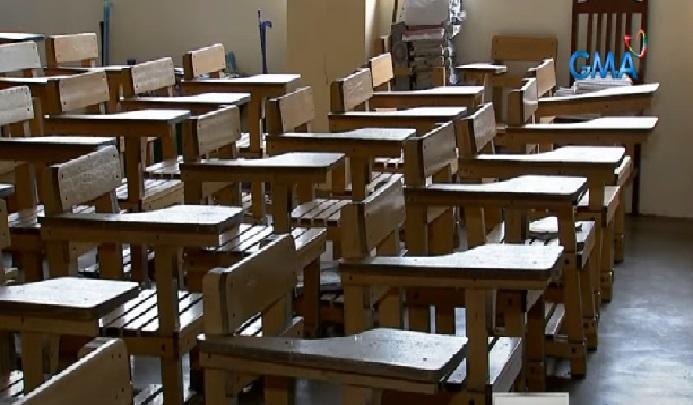
The Alliance of Concerned Teachers Philippines (ACT) on Thursday opposed the proposed “4+1” blended learning model of the Department of Education (Philippines), saying the plan would not solve the country’s worsening classroom shortage and could instead shift the burden to students, families, and teachers.
ACT chairperson Ruby Bernardo said the proposal — which involves four days of in-person classes and one day of online learning — adjusts schooling around the lack of classrooms rather than addressing the root of the problem.
“The 4+1 blended learning scheme… [is] not the solution to the severe classroom shortage,” Bernardo said.
“If the government is truly serious about improving the quality of education and ensuring that the children and the youth can access it, it must match the growing shortages with adequate funding.”
Concern over added costs
Bernardo warned that blended learning could increase expenses for families already struggling with rising living costs.
“Ipinapasa na naman ng gobyerno ang bigat ng kakulangan sa silid-aralan sa mga guro, mag-aaral, at kanilang mga pamilya na dodoble pa ang gastos para makasabay sa blended learning,” she said.
(The government is once again shifting the burden of the classroom shortage to teachers, students, and their families, who will face additional expenses to cope with blended learning.)
She added that many households still face limited access to reliable internet, gadgets, and suitable learning spaces for online classes.
Privatization concerns
ACT also criticized other proposals being explored by DepEd, including expanding education vouchers to primary education, leasing or acquiring private buildings for classrooms, and implementing additional infrastructure projects through public-private partnerships.
“These measures follow the same policy direction we have seen for decades: treating privatization as the solution to congestion in public schools,” Bernardo said.
Instead of relying on temporary measures, the group urged the government to invest more in public school infrastructure.
Long-standing classroom shortage
The teachers’ group said the classroom shortage is the result of decades of underfunding in the education sector.
According to ACT, the current classroom deficit stands at about 165,000, and could reach nearly 240,000 by 2035 if not adequately addressed.
ACT called on the administration of Ferdinand Marcos Jr. to prioritize large-scale classroom construction and ensure sufficient funding for public education.
“Addressing the classroom crisis requires a nationally coordinated program to construct durable classrooms, rehabilitate aging school buildings, and hire enough teachers,” the group said.
GMA News Online has reached out to the Education Department for its comment and will publish it once available. — RSJ, GMA Integrated News

