

 GMA Brandtalk
 Tracking
 Archives

Lawmaker seeks suspension of new taxes amid mega oil price hikes
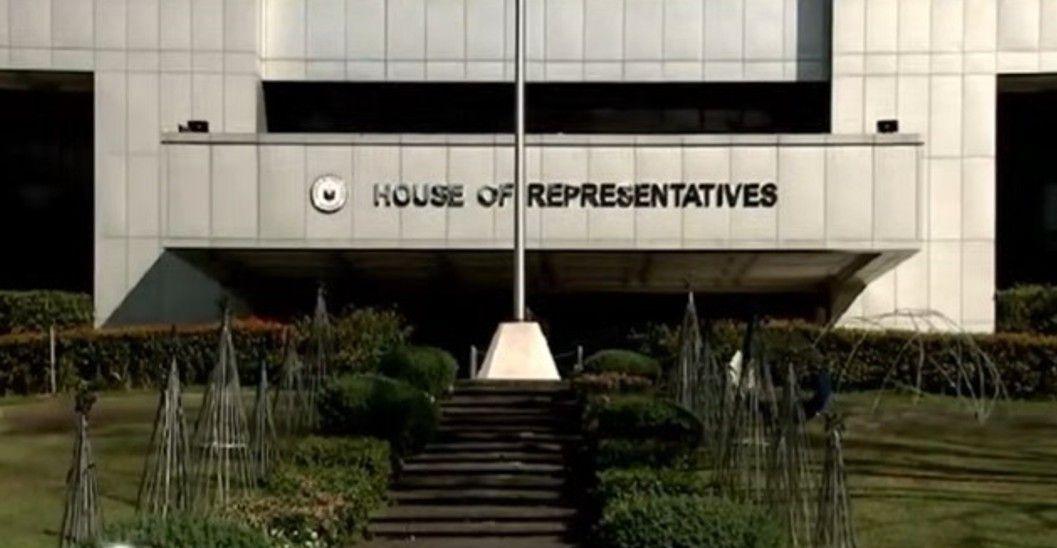
A bill prohibiting the imposition of new taxes or increase in existing tax for 2026 has been proposed in the House of Representatives amid rising fuel prices.
House Deputy Speaker David “Jayjay” Suarez of Quezon made the proposal under House Bill 8660 or the Tax Relief Act of 2026.
The proposal also mandates local government units to impose a moratorium on new local taxes and increases in local tax rates during the same year while stabilizing certain real property tax hikes tied to updated Schedules of Market Values under Republic Act No. 12001.
Under Suarez’s proposal, an existing national tax, the rate or burden in force and effect as of December 31, 2025 will remain until December 31, 2026.
In the case of a new national tax scheduled to be first imposed, assessed, or collected in calendar year 2026, such tax shall not be imposed, assessed, or collected until January 1, 2027.
This provision includes, among others, national tax measures under laws providing automatic escalation of tax rates, as well as national taxes already enacted by law whose first legal imposition, assessment, or collection falls in calendar year 2026.
“When families, workers, farmers, transport operators, enterprises, and local communities are already absorbing the effects of an external fuel shock, government should avoid imposing or allowing additional tax burdens that may further raise prices and deepen economic pressure,” Suarez said in his explanatory note of the measure.
Suarez’s bill, however, will not cover taxpayer relief measures, increases in exemptions or non-taxable thresholds, non-tax regulatory measures, or administrative or compliance requirements that do not themselves impose a tax.
“The purpose of this measure is to provide breathing space during an exceptional year marked by overlapping cost burdens, while preserving the broader framework of public finance,” Suarez said.
“This bill offers prudent, humane, and responsive relief while preserving the broader framework of fiscal policy, public finance, and local autonomy. In view of the foregoing, the immediate passage of this bill is earnestly sought,” Suarez added.
The same bill also states that no provision must be construed to reduce or impair the continued implementation of critical health programs supported by excise tax collections under existing law.
As such, the Department of Finance, the Department of Budget and Management, the Department of Health, and the Philippine Health Insurance Corporation are mandated to jointly submit to Congress a continuity funding plan identifying lawful funding sources or budgetary adjustments necessary to ensure that no interruption results in the implementation of such critical health programs by reason of the temporary suspension within 30 days from the effectivity of the proposed measure.
Fuel prices have breached P100 per liter this week amid the armed conflict in the Middle East, a war triggered by the joint US-Israel Operation Epic Fury last February 27 that targeted Iran’s leaders, government centers and military facilities, supposedly to deter Iran’s missile program that threatens the region’s security.
Another round of "mega price hikes" are also expected next week.
The government has provided subsidies for the public transport sector in response to the crisis, while the bill allowing President Ferdinand Marcos, Jr. to suspend or reduce excise tax on fuel products awaits his signature to become law. —VAL, GMA Integrated News

