

 GMA Brandtalk
 Tracking
 Archives

How Pinoys will benefit from the State of Energy Emergency
On March 24, 2026, President Ferdinand Marcos Jr. declared a state of national energy emergency in response to the rising global oil supply risks caused by the Middle East conflict, which puts in peril the Philippines' heavily import-dependent energy system.
Executive Order No. 110, containing the declaration, ordered the adoption of a Unified Package for Livelihoods, Industry, Food, and Transport (UPLIFT) for affected sectors.
UPLIFT is a whole-of-government response to ensure energy supply stability, support key sectors such as transport, agriculture, and MSMEs, and protect Filipinos amid global oil supply disruptions.
"A state of national energy emergency is hereby declared in light of the ongoing conflict in the Middle East, and the resulting imminent danger posed upon the availability and stability of the country's energy supply," Marcos said in his executive order.
What does the declaration mean to the Filipinos, and which tasks are assigned to government departments for implementation?
The UPLIFT Committee will be led by the President, with key departments tasked to focus on overseeing the implementation of the emergency measures and coordination across sectors.
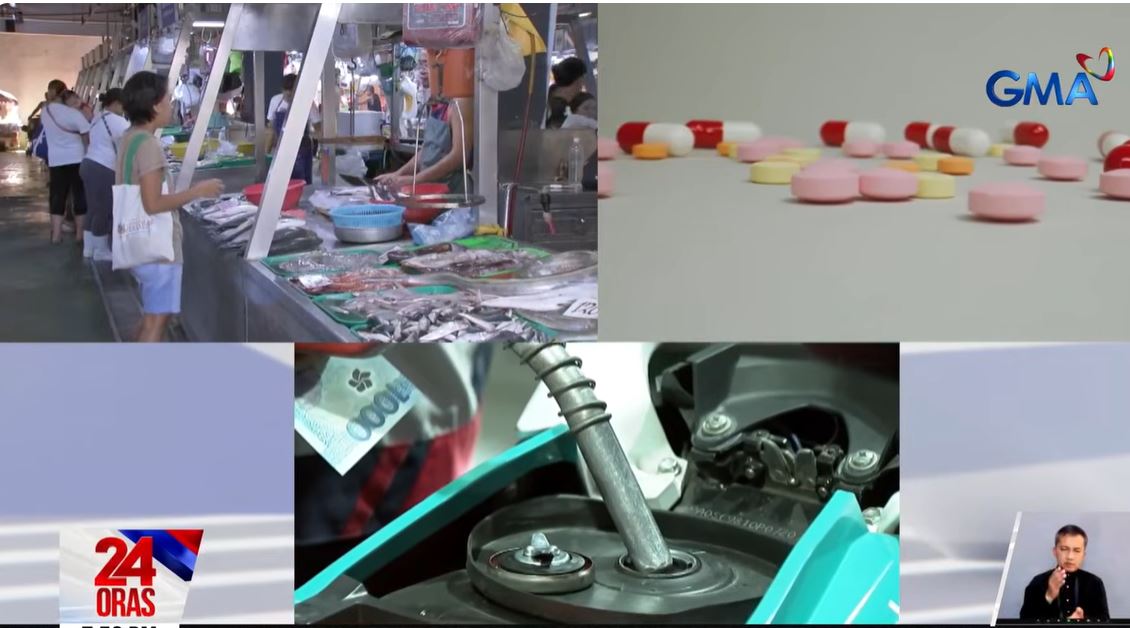
The body will "monitor and ensure the continued and orderly movement, supply, distribution, and availability of fuel, food, medicines, agricultural products, and other essential goods."
It will also ensure the "continuity of the operation of public transportation, public services, public utilities, healthcare facilities, and other critical establishments and infrastructure, and safeguard economic stability, while protecting vulnerable sectors from adverse impacts and severe disruptions caused by the ongoing crisis in the Middle East."
It was tasked to ensure the "timely, efficient, unhampered delivery of public services, including accelerating and streamlining all processes for new and pending applications or renewals of permits, licenses, clearances, certifications, or authorizations."
It will "formulate longer-term demand-side solutions and strategies to decrease consumption of petroleum products across residential, commercial, industrial, and public utility sectors, including accelerating the transition to renewable energy through the use of electric vehicles in mass transport, integration of renewable energy in agriculture, logistics, and manufacturing, development of active transport infrastructure, and supporting behavioral change through public awareness campaigns."
Department of Energy
- Ensure fuel supply and mitigate the impact of rising fuel costs on electricity generation and consumer prices
- Enforce energy conservation measures
- Prevent hoarding, profiteering and supply manipulation
- Accelerate renewable energy and additional power capacity
- Facilitate faster procurement of the required fuel and petroleum products
- Adjust electricity market operations if needed
Department of Transportation
- Provide support to public transport sector through assistance programs such as fuel subsidies and commuter fare subsidies
- Activate the Libreng Sakay Program, extend the operating hours of Light Rail Transit and Metro Rail Transit systems, and establish priority lanes in coordination with local government units
- Implement temporary reduction, suspension or deferral of toll charges, aviation charges, landing fees and similar assessments
Department of Social Welfare and Development
- Speed up the release of assistance under the Assistance to Individuals in Crisis Situations
- Provide appropriate social welfare and livelihood support to affected sectors such as transport workers, farmers, fisherfolk, displaced workers, repatriated Overseas Filipino Workers (OFWs), and other vulnerable groups through the Sustainable Livelihood Program
Department of Trade and Industry
- Monitor prices, implement remedies to address excessive price increases
- Put in place support programs for micro, small, and medium enterprises
- Promote the use of e-vehicles, renewable energy and other energy-efficient solutions
Department of Agriculture
- Monitor and ensure an adequate supply of agricultural products, ensure their availability at lowest cost
- Implement an assistance program for farmers and fisherfolk, including release of funds under the Presidential Assistance for Farmers and Fisherfolk (PAFF) program and the utilization of the Quick Response Fund to provide appropriate support to affected beneficiaries
Department of Migrant Workers
- Mobilize mechanisms for monitoring, rescue, evacuation and repatriation of distressed overseas Filipino workers (OFW)
- Expedite release of Agarang Kalinga at Saklolo para sa OFW na Nangangailangan (AKSYON) Fund and related financial assistance
- Provide reintegration support towards redeployment or reemployment
Department of Finance (DOF, Department of Budget and Management (DBM), Department of Economic Planning and Development (DEPDev)
- Closely monitor the impact of the Middle East conflict on the Philippine peso, OFW remittances, and overall economy
- Strictly adhere to the budget
Philippine National Police
- Provide support to relevant government agencies
- Maintain peace and order in communities
Local Government Units
- Actively support the national government
- Encouraged to allocate necessary resources such as funding and personnel, or realign local funds to mitigate the impact of the disruption of the global fuel supply
- Activate their Energy Efficiency and Conservation Office or any equivalent thereto to ensure a stable energy supply in their respective localities
Private Sector
- Provide logistical support, interventions and critical services to affected sectors
- Implement energy conservation measures and promote fuel-saving practices
- Support workforce stability by adopting flexible work arrangements
- Enforce fair pricing practices to prevent profiteering and hoarding
The state of national energy emergency declaration shall be effective for one year from the date of issuance. —LDF, GMA Integrated News

