

 GMA Brandtalk
 Tracking
 Archives

Lawyers reiterate appeal vs. NAIA concession agreement amid fuel price hike
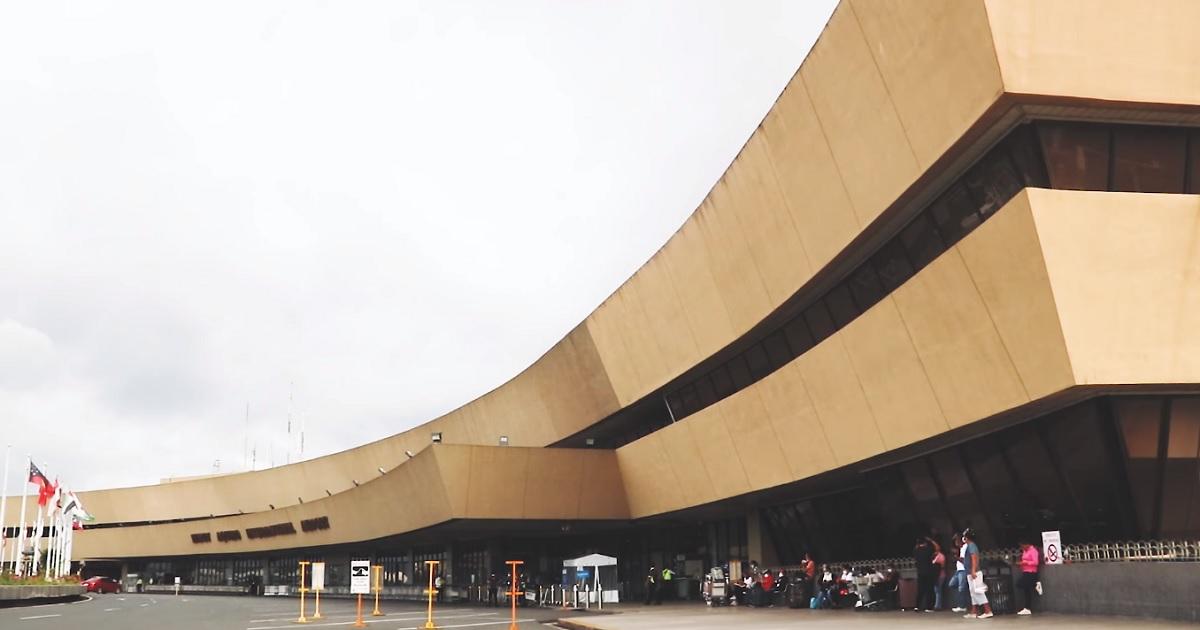
Citing rising fuel prices, lawyers Rico Domingo and Ceasar Oracion have filed another motion reiterating their appeal for the Supreme Court (SC) to issue a temporary restraining order (TRO) against the Ninoy Aquino International Airport (NAIA) Public-Private Partnership (PPP) Project.
In a 12-page motion filed March 24, they said that the conflict in the Middle East and its impact on the economy highlight the need for the SC to “spare Filipinos from the unnecessary and unjustified economic burden” caused by the project.
“The crisis in the Middle East has triggered a sharp surge in global oil prices, inevitably resulting in unsettling increases in the price of fuel products in the Philippines,” they said.
“Within just two weeks, the price of diesel climbed by P40 per liter and continues to rise, while electricity rates have substantially raised transportation and logistics costs, and further magnified the economic burden of high NAIA charges,” they added.
Domingo and Oracion first filed their petition with the SC in May 2025 against the PPP Project, which transferred the management of the airport to the San Miguel-led New NAIA Infra Corporation (NNIC).
The petitioners sought a TRO against the NAIA Concession Agreement and the Manila International Airport Authority (MIAA) Revised Administrative Order, which covers the rates of fees and charges at NAIA.
They argued that the government committed grave abuse of discretion and violated the Constitution, the PPP Code of the Philippines, the MIAA revised charter, and the repealed Build-Operate-Transfer (BOT) Law.
Aside from this, the petitioners also said that the implementation of the PPP Project violates the Civil Code of the Philippines, the Administrative Vode of 1987, the National Cultural Heritage Act of 2009, the Government Auditing Code of the Philippines, and the Budget Reform Decree of 1977.
The petitioners said that landing and takeoff fees for aircraft increased by 220% while aircraft and parking rates for the first half per aircraft up to 50,000 kilograms increased by 1444.12% for international operations and 1433.75% for domestic operations.
They also said that since September 2025, the international passenger service charge increased by 73% from P550 to P950 while the domestic passenger service charge increased by 95% from P200 to P390.
“It cannot be overemphasized how the rates of fees and charges at NAIA significantly impact the cost of living of every Filipino,” the petition read.
“While the impact of the Revised AO is directly felt by travelers, airlines, and other businesses at NAIA, eventually, each and every increase in the cost of aviation translates into higher costs of goods and services in the marketplace,” it added.
The petitioners filed their first motion reiterating their prayer in August 2025.
In April 2025, several lawyers also filed a petition against the implementation of the concession agreement for the NAIA PPP Project.
Airport workers, civic organizations, and non-government groups also questioned the PPP Project before the High Court in August 2025.
Reacting to the first petition, then Transportation Secretary Vince Dizon told a news conference on April 10 that the concession agreement was aboveboard.
NNIC responds
In a statement, the NNIC said it is working with the government on practical ways to help ease cost pressures.
“Rising fuel and transport costs are serious concerns, but these are separate from airport charges and require their own targeted response,” it said.
The NNIC said that overseas Filipino workers enjoy exemptions from travel tax and international terminal fee at NAIA. It also said that local airlines have been receiving a 65% discount on domestic landing and takeoff fees.
“This has already helped reduce some of the cost of operating domestic flights, although fares continue to be influenced by fuel prices and other market factors,” it said.
It also said that the agreement was establishment to improve NAIA by making it safer, more modern, and more efficient.
Despite this, the NNIC said that it respects the right of any group to raise concerns or seek legal remedies.
“We also recognize the strain that rising prices are placing on many Filipino families, including OFWs and everyday passengers who use NAIA. These concerns are real and deserve to be taken seriously,” it said. —with a report from Ted Cordero/AOL, GMA Integrated News

