

 GMA Brandtalk
 Tracking
 Archives

UP, Ateneo, La Salle hold ground in 2026 QS rankings
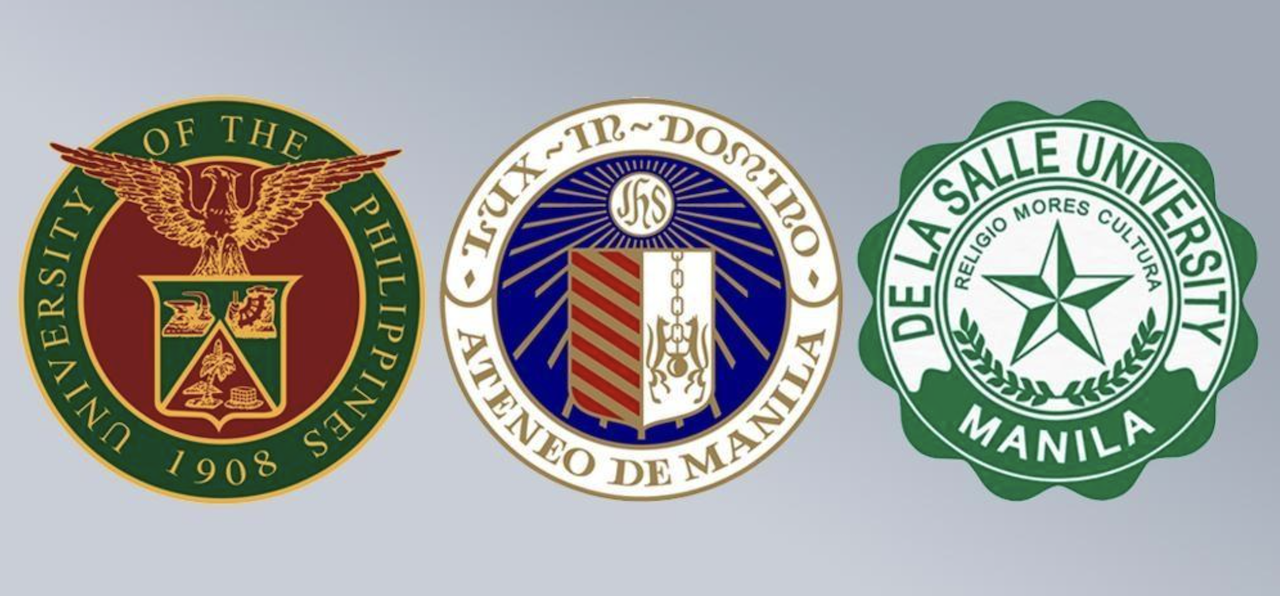
Philippine universities held steady positions in the 2026 QS World University Rankings by Subject, with leading institutions maintaining their global brackets in English and improving placements in broader fields such as Arts and Humanities.
The latest rankings, released by Quacquarelli Symonds (QS), assessed more than 21,000 academic programs from around 1,900 institutions across 100 countries, covering 55 disciplines grouped into five major subject areas.
English Language and Literature
In English Language and Literature, three Philippine universities retained their 2025 global brackets:
- University of the Philippines (UP) remained in the 151–200 bracket, with an academic reputation score of 63 and a global rank of 153.
- Ateneo de Manila University stayed within the 201–250 bracket, posting an academic score of 58.3 and rank 226.
- De La Salle University (DLSU) also held its position in the 201–250 bracket, with an academic score of 59 and rank 211.
These results supposedly indicate relative stability among the country’s top universities in humanities-driven disciplines, even as global competition intensifies.
Arts and Humanities
In the broader Arts and Humanities category, Philippine universities showed notable improvements:
- UP climbed to rank 257, up from 331 in 2025, with an academic reputation score of 70.2.
- Ateneo improved to rank 333, from 345 previously.
- DLSU advanced to rank 365, rising from the 401–450 bracket last year.
The upward movement reflects strengthening recognition of Philippine institutions in interdisciplinary humanities research and teaching.
Global trends: Asia-Pacific on the rise
QS noted that the 2026 subject rankings reflect shifting dynamics in global higher education.
Northern America remains the most represented region overall, but Asia-Pacific systems are gaining ground.
Southern Asia (40%) and Southeast Asia (38%) recorded some of the highest proportions of institutions moving up in the rankings.
Emerging fields are also reshaping the landscape. Computer Science and Information Systems and Medicine remain the most widely ranked subjects, while Data Science and Artificial Intelligence saw the highest number of new entries.
Meanwhile, more established regions, including Eastern Europe and Eastern Asia, posted higher shares of institutions moving down the rankings, signaling increased global competition.
Despite limited movement in English studies, the improved standings of Philippine universities in Arts and Humanities highlight gradual progress in global academic reputation.
The 2026 results underscore a broader trend: while traditional education hubs remain dominant, universities in developing regions—including Southeast Asia—are steadily gaining visibility in international rankings.—MCG, GMA Integrated News

