

 GMA Brandtalk
 Tracking
 Archives

Universities shift to hybrid classes, work setups to save energy
Universities across Metro Manila are rolling out energy conservation measures—from hybrid learning to compressed workweeks—as global fuel supply pressures linked to the Middle East conflict begin to affect operations in the Philippines.
The moves follow Memorandum Circular No. 114, which directs government agencies to reduce energy consumption amid an expected spike in oil prices due to tensions in the Middle East.
University of Santo Tomas
The University of Santo Tomas (UST) has allowed academic units to shift 30% to 50% of course hours online while maintaining onsite examinations, as part of its campus-wide energy-saving strategy.
The university also implemented a standardized 24°C air-conditioning policy and introduced scheduled use of high-energy facilities, including the Quadricentennial Pavilion, to manage electricity demand.
Despite the adjustments, UST said student services will remain accessible. Library operations continue six days a week, while the Counseling and Career Center provides psychosocial support for students affected by the ongoing crisis.
University of the Philippines
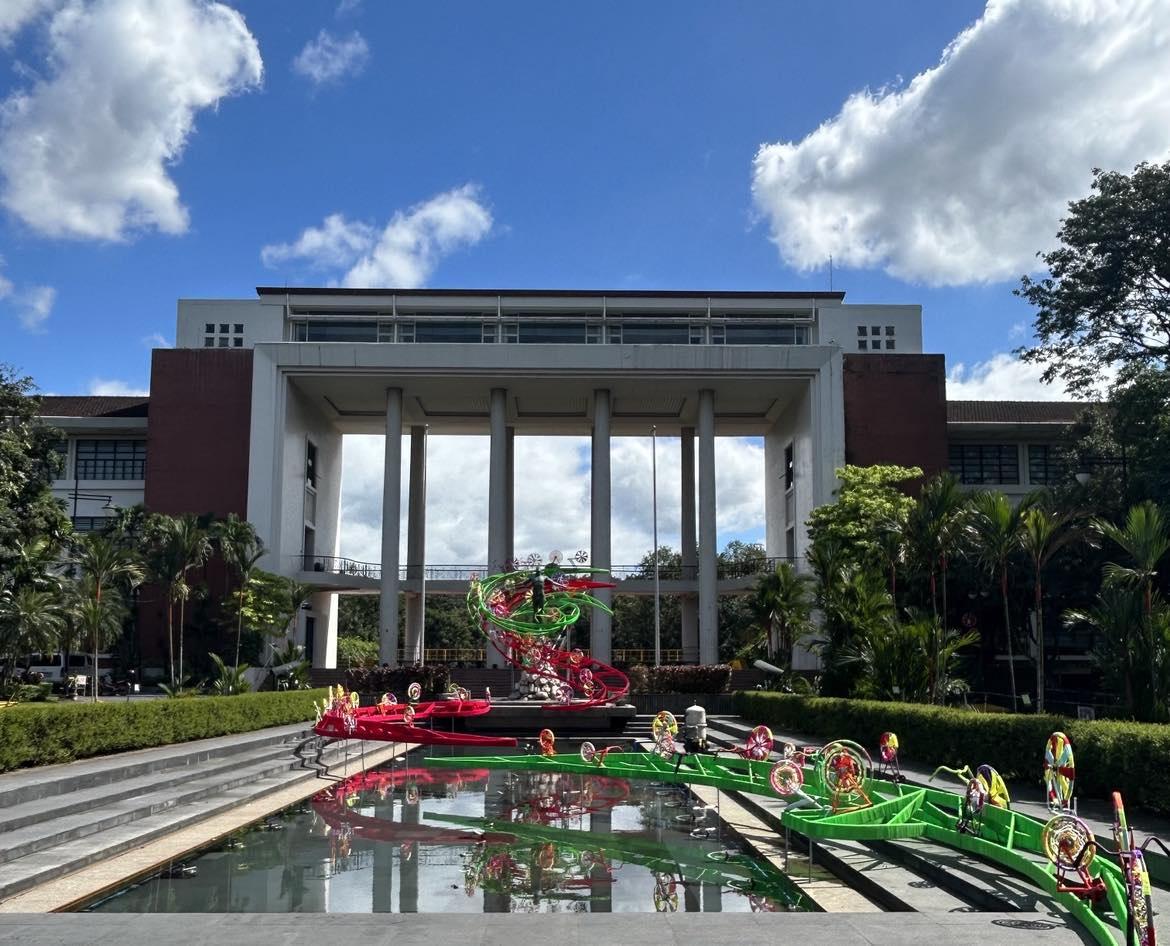
At UP Diliman, classes will continue primarily onsite, but administrators are prepared to shift to remote learning if necessary.
Energy-saving steps outlined in a campus memorandum include:
- Early shutdown of air-conditioning and electrical equipment
- Reduced official travel
- Exploration of alternative work arrangements, such as compressed workweeks and synchronized work-from-home schedules
The university emphasized that conservation efforts should not disrupt teaching, research, or essential services.
Meanwhile, UP Manila has implemented a four-day compressed workweek, with Mondays designated as a no-onsite workday, in line with national directives.
De La Salle University
De La Salle University is adjusting operations during its trimestral break, adopting a four-day work-from-home setup with one day onsite from mid-April to early May.
Events may still proceed but could be relocated to optimize facility use and reduce power consumption.
Ateneo de Davao University
Outside Metro Manila, Ateneo de Davao University has also implemented energy-saving measures, reflecting a broader response among higher education institutions nationwide.
Across campuses, a common theme has emerged: reducing energy consumption without compromising academic delivery.
At UP Diliman, officials stressed that while the university supports national conservation efforts, “the uninterrupted delivery of teaching, learning, research, and other core academic functions” remains the top priority.
These measures highlight how universities are navigating a dual challenge—responding to global geopolitical shocks while ensuring students continue to receive quality education with minimal disruption.

