

 GMA Brandtalk
 Tracking
 Archives

DepEd eyes direct farm-to-school supply to feed students, help farmers
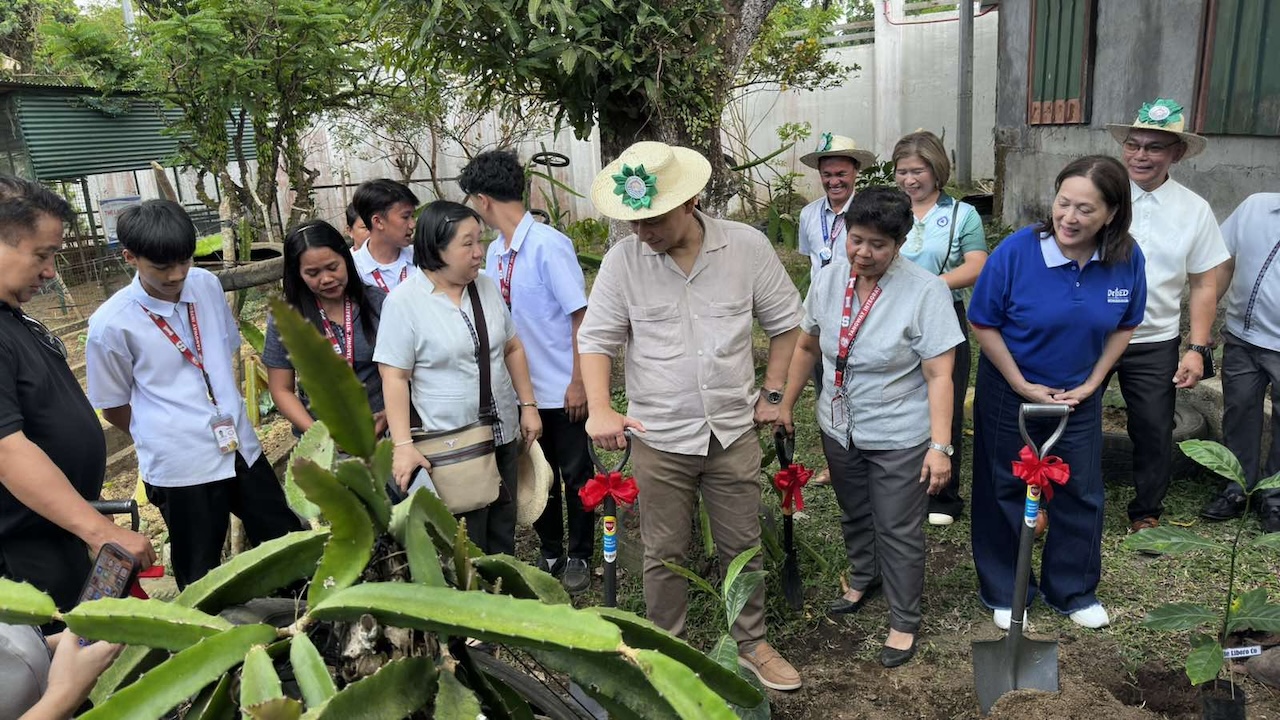
Education Secretary Sonny Angara on Thursday pushed for a simpler idea: buy vegetables directly from farmers and serve them in public schools.
The plan, called a “farm-to-school” approach, aims to give students fresher, healthier meals while providing farmers with a steady source of income.
During a visit to Tangway Integrated School, Angara met with farmer groups and school officials to discuss how locally grown produce can be delivered straight to schools under the feeding program of the Department of Education.
The goal is straightforward—help students eat better and make sure farmers have buyers for their harvest.
“Kinikilala natin ang mahalagang papel ng ating mga magsasaka, lalo na sa gitna ng mga hamon na kanilang kinakaharap,” Angara said.
(We recognize the important role of our farmers, especially amid the challenges they face.)
“Malaki ang ambag nila sa Expanded School-Based Feeding Program na mas marami nang mag-aaral ang maaabot,” he added.
(They have a significant contribution to the Expanded School-Based Feeding Program, which will reach more learners.)
Bigger feeding budget
DepEd is set to launch its biggest feeding program yet in School Year 2026–2027, with a P25.6 billion budget, more than double last year’s funding.
The program is expected to benefit 4.63 million students starting in June under the administration of Ferdinand Marcos Jr..
With more funds, schools can feed more children and serve better meals using fresh, locally sourced ingredients.
Tangway Integrated School, which has 895 students, is being used as a pilot site. It already feeds undernourished learners using vegetables from its garden and nearby farms.
In the current school year, 121 undernourished students benefited from the program, with improvements seen in their health, attendance, and participation in class.
Helping farmers earn more
Under the proposed setup, farmer groups can sell directly to schools. This removes middlemen, helping farmers earn more while ensuring food is fresher for students.
The school visit formed part of a multi-agency initiative led by the Office of the Executive Secretary, which included infrastructure and education projects in Lipa City.
Angara earlier joined Ralph Recto and other Cabinet officials in inaugurating a four-storey, 16-classroom building at Padre Valerio Malabanan Elementary School, part of efforts to address classroom shortages and improve learning environments.
The activities fall under the “Matatag na Batangas Tungo sa Bagong Pilipinas” program, which highlights coordination between national agencies and local governments to strengthen infrastructure, social services, and education delivery.
The push for farm-to-school linkages signals a shift in how school feeding programs are implemented—expanding their role from addressing nutrition to supporting local livelihoods.—MCG, GMA Integrated News

