

 GMA Brandtalk
 Tracking
 Archives

PH committed to peaceful approaches on WPS, senior officials say
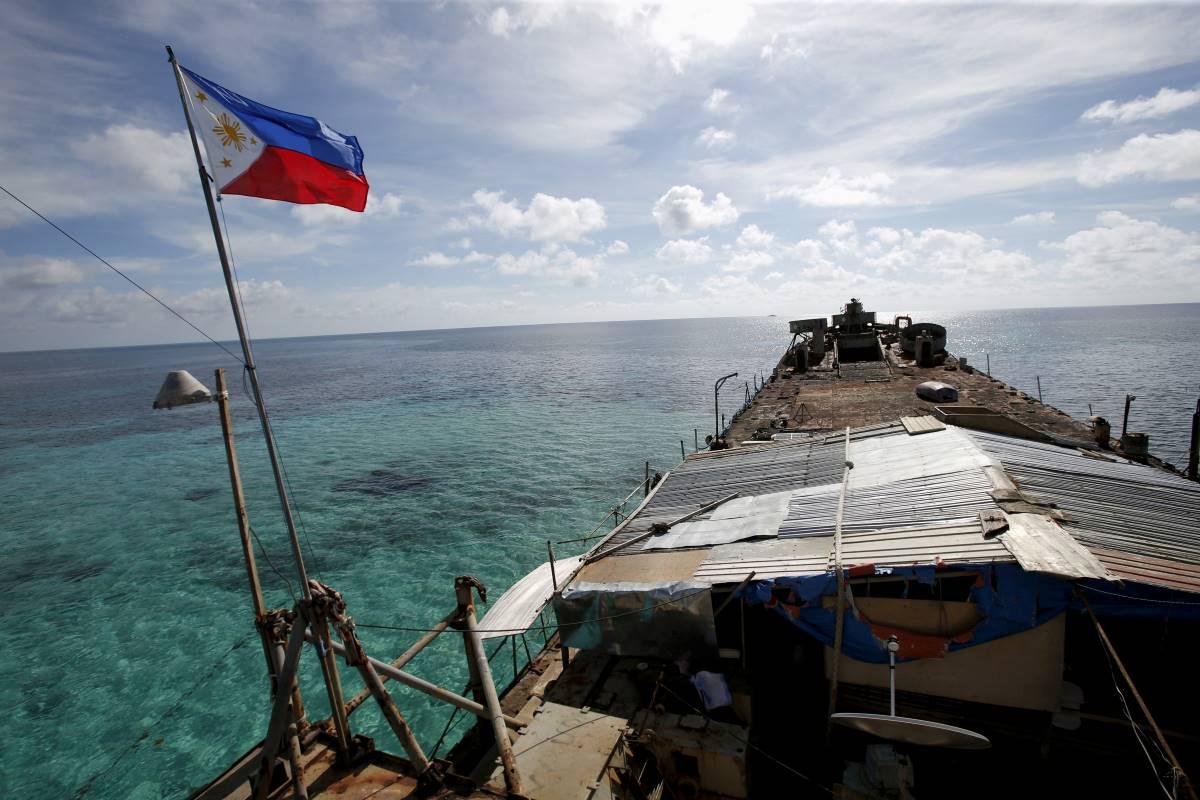
The Philippines is strengthening a multi-layered strategy with its allies to protect its rights in the West Philippine Sea, combining diplomacy, legal action, and expanded security cooperation amid rising tensions in the region.
At a recent forum organized by the Stratbase Institute and the Embassy of Japan in the Philippines, senior officials in Manila said the country remains firmly committed to peaceful approaches while standing its ground against increasing pressure from China.
Armed Forces of the Philippines Chief of Staff General Romeo Brawner Jr. emphasized that the Philippines continues to anchor its actions on international law, particularly the 2016 arbitral ruling under the United Nations Convention on the Law of the Sea, which invalidated China's sweeping claims.
Brawner said Manila's approach focuses on asserting maritime rights through lawful and transparent means rather than escalation.
A key part of this strategy is expanding defense ties with allies.
The Philippines has been increasing joint patrols, military training, and interoperability efforts with partners such as the United States and Japan.
Upcoming iterations of Balikatan, along with broader cooperation involving like-minded countries, are seen as critical to improving maritime security and deterrence.
'Strategic clarity'
Victor Andres Manhit, president of the Stratbase Institute, underscored the need for "strategic clarity" and sustained coordination with democratic nations.
Manhit said the Philippines must take a proactive role in shaping regional stability, stressing that decisions made today will influence long-term security in the Indo-Pacific.
Philippine Coast Guard (PCG) Commandant Admiral Ronnie Gil Gavan, for his part, said the situation in the West Philippine Sea remains a daily challenge for PCG personnel.
Gavan said coast guard units regularly escort Filipino fishers, monitor foreign vessel activity, and respond to maritime incidents.
The PCG chief also pointed to documented cases of harassment and obstruction at sea, reinforcing the need for a consistent and visible allied presence.
Restraint versus resolve
Former Supreme Court Justice Antonio Carpio highlighted the role of allied naval operations in reinforcing the Philippines' legal victory.
Carpio said that freedom of navigation patrols and joint activities signal international recognition that the waters fall within the Philippines' exclusive economic zone.
The former SC magistrate also urged the government to pursue additional legal measures and diplomatic efforts to build wider global support.
Officials said the Philippines' evolving strategy reflects a balance between restraint and resolve—avoiding conflict while strengthening alliances and upholding international law.
Together with its partners, the country aims to safeguard its sovereignty, protect its maritime resources, and ensure stability in the West Philippine Sea.
Amid a national energy emergency due to the Middle East crisis, President Ferdinand "Bongbong" Marcos Jr. said there was going to be a "very, very serious restructuring" of ties between Manila and Beijing.
"I think it's certainly going to happen. I don't think that's something that we can, that is like an option. It's happening now," Marcos said in an interview with Bloomberg.
The Chinese Embassy in Manila, meanwhile, said discussions between the Philippines and China on possible joint oil and gas exploration in the South China Sea have made "positive progress." — VDV, GMA Integrated News

