

 GMA Brandtalk
 Tracking
 Archives

Angara to Class of 2026: ‘Resilience will matter beyond the classroom’
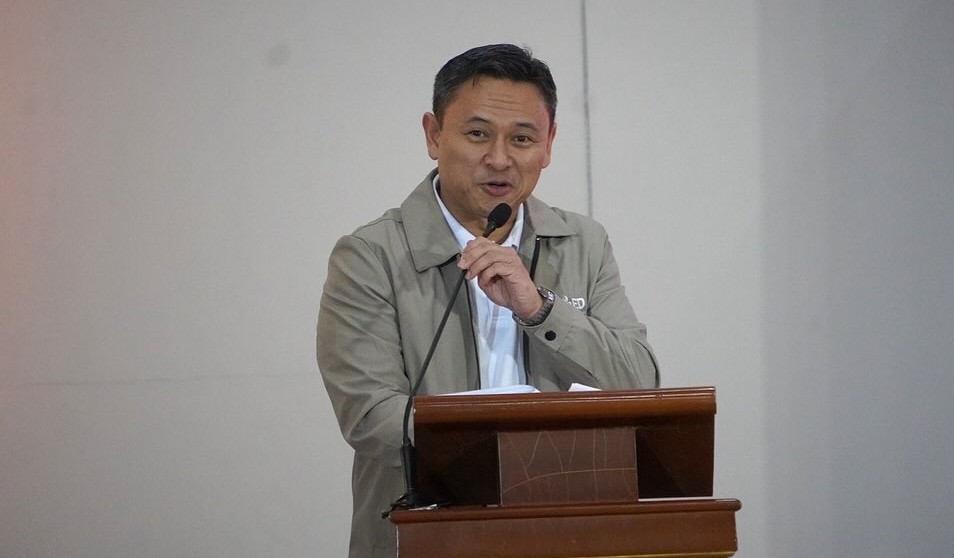
Education Secretary Sonny Angara on Monday urged graduating students to carry the resilience they built in school into the next stage of their lives, as nearly 48,000 public schools hold end-of-school-year (EOSY) rites nationwide.
In his message for graduation and moving-up ceremonies, Angara emphasized that while academic achievement is important, it is the ability to overcome challenges that will define long-term success.
“You stayed the course and learned to rise after setbacks. That resilience will matter far beyond the classroom,” Angara said.
Millions of learners mark milestone
The Department of Education (DepEd) said this year’s ceremonies, scheduled on March 30 or 31, cover around 1.9 million Grade 6 learners and 1.8 million Grade 12 students from both public and private schools.
Angara said the ceremonies are not just a celebration of completion, but also recognition of the effort behind each student’s journey.
“As we conclude this school year, we do more than close a chapter. We honor the strength that carried our learners, teachers, and families through months of hard work, sacrifice, and hope,” he said.
Simple rites amid rising costs
DepEd earlier directed schools to keep graduation ceremonies simple and meaningful, avoiding unnecessary expenses, as families continue to deal with rising costs, including fuel prices linked to global tensions.
The theme this year, “Filipino Graduates: Prepared to Lead with Competence and Character,” reflects the government’s push to develop learners who are both academically capable and grounded in values.
Recognizing teachers, families
Angara also highlighted the role of teachers and families in shaping student success.
“Behind every learner’s success stands a community. To our teachers, thank you for teaching not only lessons but courage. To our parents and families, your support made every achievement possible,” he said.
Reforms in focus
The 2026 graduation cycle comes as DepEd continues to roll out reforms, including updates to the K to 10 curriculum and strengthened Senior High School pathways.
The agency is also implementing the Academic Recovery and Accessible Learning (ARAL) Program to address learning gaps and improve student outcomes.
As students move on from basic education, Angara said the lessons they carry beyond the classroom will be just as important as the knowledge they gained inside it. —AOL, GMA Integrated News

