

 GMA Brandtalk
 Tracking
 Archives

House eyeing Bayanihan 3, ayuda to prioritize transport sector —Rep. Miro Quimbo
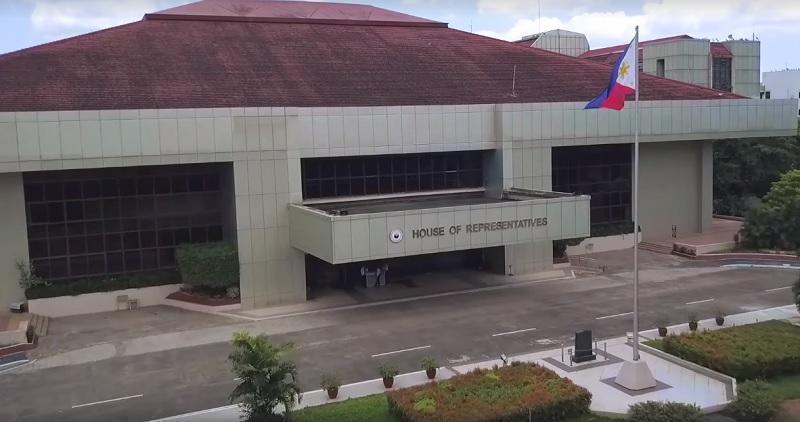
The House of Representatives is looking into having a comprehensive Bayanihan 3 measure, similar to the COVID-19 pandemic aid laws, to address the impact of rising oil prices, Marikina 2nd District Representative Miro Quimbo said Tuesday.
The said measure will have a cash aid program that would prioritize the transport sector which is most impacted by the fuel price increases, said Quimbo, who is also chairman of the House Committee on Ways and Means.
“This is Bayanihan 3. Number one, sino ba ang bibigyan ng ayuda (who will be given cash aid)? We will have to consult with our economic managers first as well as the DSWD (Department of Social Welfare and Development)," he said in an online press conference.
"Second, we need to know the distribution system that's available. And then third, how much money is available?" the congressman said.
"But definitely, our purpose here is to address [the concerns of] sectors that will, practically, might not survive, like transportation. Doon talaga tayo unang magbibigay ng direct na tulong kasi 'yun ang epicenter ng crisis (That is where we will first give the aid directly because that is the epicenter of the crisis),” Quimbo said.
“Because when oil prices are too expensive, they (transport vehicle operators and drivers) won’t be able to go ply their routes. In that situation, transporting goods will be more expensive. That is why we want an intervention to make sure that whatever aid we do is for the purpose of making sure that prices don't spiral," he added.
"We cannot control fuel price hikes, but since fuel is a major component of many products in the household, we need to have an intervention that will prevent high gas prices from making all the other products and services increase across the board more expensive,” Quimbo said.
Not 'ayuda-centric'
Quimbo however said the Bayanihan 3 won’t be heavy on cash aid provisions since the House wants a long-term response to such crisis since the Middle East tensions resulting from the US-Israel war against Iran can happen again in the future.
“It cannot just be ayuda-centric. In fact, ayuda is not even 15% of the entire package that Speaker [Francisco 'Bojie' Dy III] wants. Ang direksyon ng ayuda program ay kung ano ang makakapigil or at least makakapagpabagal ng pagtaas ng presyo ng mga bilihin. This means this is an opportunity to push for renewal energy sources for our transportation sector, because we have been delaying that,” Quimbo said.
(Our direction is to prevent or slow down price increases in basic needs and commodities.)
“Ayuda (cash assistance) is just going to be a small portion of the legislation. What we want is a comprehensive way to address this so the country will be more resilient amid oil price hikes by figuring out how do we get out of oil dependence, such as mandatory use of electronic or hybrid vehicles for government transportation needs,” he added.
Quimbo cited that gradual reduction of oil dependence is achievable, given that other countries were able to reduce their oil dependence from 80% to 40% in a matter of eight to 10 years with the right incentives and other related policies.
“We have electric power plants which are not as dependent on diesel or bunker fuel, and we have renewable energy resources here, whether it is geothermal or hydro. It is there. We just need to have a policy that will encourage its development, starting with incentives,” he said.
Quimbo said that the first hearing on the proposed Bayanihan measure is scheduled on April 8, Wednesday.
The US-Israel joint operation vs. Iran has since killed Iranian leaders and prompted Iran to retaliate by launching airstrikes targeting US bases and other sites in Middle Eastern countries where the Philippines sources 98% of its crude oil supply.
In addition, Iran has also shut the Strait of Hormuz, a major thoroughfare for the world’s oil supply.
President Ferdinand "Bongbong" Marcos Jr. has declared a state of national energy emergency due to the Middle East conflict.
Likewise, the President already signed a law allowing him to suspend or reduce excise taxes on fuel.
Cash aid meanwhile is being given by DSWD to the public transport sector to help its members cope with the rising fuel prices. —KG, GMA News

