

 GMA Brandtalk
 Tracking
 Archives

DA assures stable fertilizer supply amid Middle East tensions
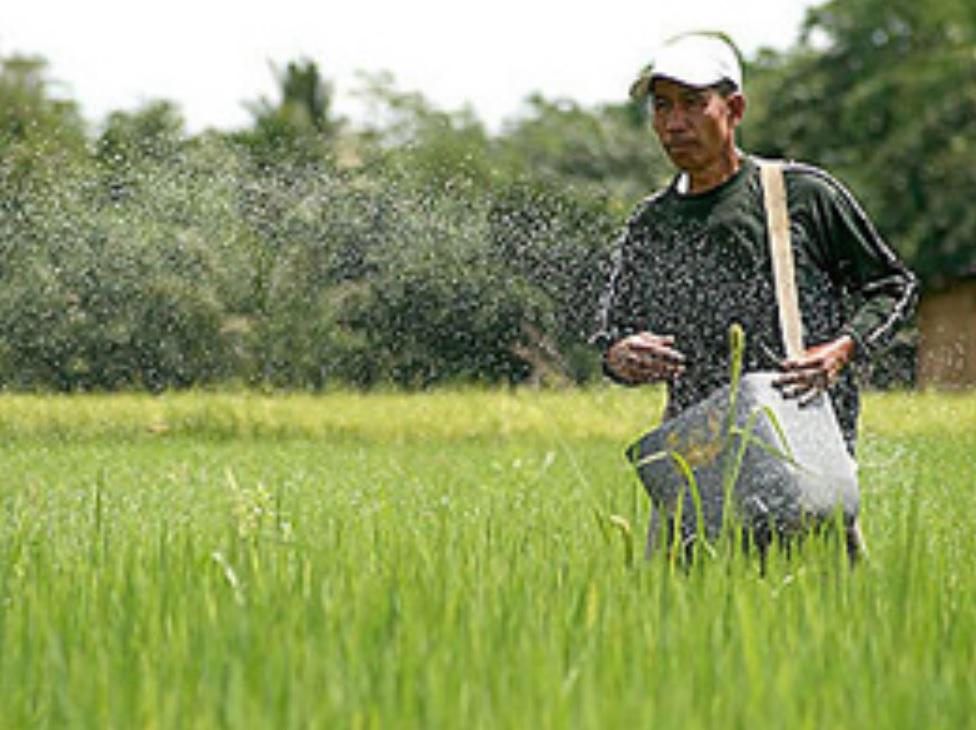
Agriculture Secretary Francisco Tiu Laurel Jr. on Wednesday allayed concerns about the country’s fertilizer supply, saying the Philippines maintains a secure supply chain despite the ongoing conflict in the Middle East.
In a statement, Tiu Laurel, who visited a fertilizer production facility in Laguna, said the country’s diversified sourcing strategy effectively shields it from major supply disruptions.
While recent war in the Middle East has threatened key global trade routes such as the Strait of Hormuz, the Agriculture chief said the Philippines’ direct exposure is limited.
Citing 2025 data, he said that only 20% of the nation's imported urea-based fertilizers come from Qatar and Saudi Arabia, while the vast majority of the supply is sourced from regional partners including Indonesia, Brunei, Malaysia, China, and Vietnam.
Meanwhile, ammonium sulfate imports remain entirely reliant on China and Japan.
“I reviewed all the figures on where our fertilizer comes from… supply is not the issue—it’s really the price,” said Tiu Laurel, noting that the main challenge is the upward pressure on global prices driven by rising logistics and freight costs amid the Middle East crisis.
To shield farmers from these price hikes, the DA chief said the agency is accelerating the adoption of locally developed biofertilizers.
He said these alternatives, pioneered by researchers at the University of the Philippines Los Baños, offer a cost advantage.
A single kilogram of biofertilizer, costing approximately P750, can replace two 50-kilogram bags of traditional urea-based fertilizer that would otherwise cost a combined P5,000.
Field trials have shown that farmers can reduce their traditional chemical use by up to 70% without seeing a drop in crop yields.
Tiu Laurel expressed confidence that the combination of stable import lines and the shift toward bio-based fertilizer will protect the agricultural sector from price shocks. —Ted Cordero/RF, GMA News

