

 GMA Brandtalk
 Tracking
 Archives

De Lima seeks expansion of PUV driver income program
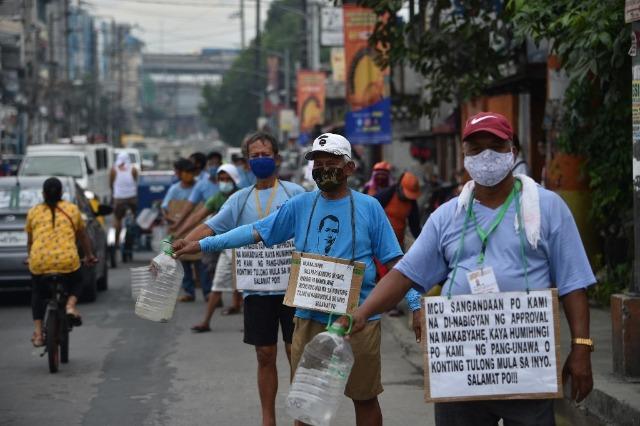
House Senior Deputy Minority Leader Leila de Lima on Wednesday called for the expansion of the service contracting program for the public transport sector, which provides drivers with a fixed income, amid continued increases in oil prices.
De Lima made the call through House Resolution 913, noting that the program ensures a stable income for drivers while maintaining reliable and efficient service for commuters despite rising fuel costs.
Under the service contracting program, drivers are compensated based on actual kilometers run, along with performance-based incentives in accordance with guidelines set by the Land Transportation Franchising and Regulatory Board (LTFRB).
De Lima added that the program also helps reduce fuel demand by encouraging private vehicle owners to shift to public transportation, as observed during the COVID-19 pandemic.
“Many of our PUV drivers have already stopped plying their routes due to exorbitant fuel prices, while others are barely earning. This is a burdensome cross to carry,” De Lima said.
De Lima stressed that public utility vehicle drivers had long been grappling with financial hardship even before the latest fuel price surge, underscoring the need for immediate government intervention.
“They were already struggling even before this crisis, when diesel prices were at P50 per liter. They called for a fare hike, but this was suspended by President Ferdinand Marcos Jr.," she said.
"The cash aid they received is only good for a few days. This situation necessitates proactive measures from the government,” De Lima added.
The lawmaker also cited calls from transport leaders, labor groups, and jeepney drivers to accelerate and expand the service contracting program, saying the current boundary system is no longer viable.
“Studies indicate that service contracting and similar transport models face financial, political, and operational constraints, including resistance from incumbent operators, fare-setting issues, and institutional limitations, thereby underscoring the need for comprehensive and institutionalized policy support,” the resolution read.
Aside from HR 913, De Lima has also filed measures seeking an investigation into the surge in diesel prices (HR 914) and an assessment of the impact of rising fuel costs on public transport drivers, operators, and workers to determine the need for a reasonable fare increase (HR 915).
The spike in global oil prices follows escalating tensions in the Middle East, reportedly triggered by a joint US-Israel operation against Iran aimed at curbing its missile program.
The operation has resulted in the deaths of Iranian officials and damage to key facilities, including a school. Iran has since retaliated with airstrikes targeting US bases and other sites in Middle Eastern countries—where the Philippines sources about 98% of its crude oil.
Iran has also shut down the Strait of Hormuz, a major global oil transit route, further tightening supply.
In response, President Ferdinand “Bongbong” Marcos Jr. has declared a state of national energy emergency and signed a law allowing the suspension or reduction of excise taxes on fuel.
Meanwhile, the Department of Social Welfare and Development (DSWD) has begun distributing cash aid to public transport workers to help them cope with rising fuel prices.—MCG, GMA News

