

 GMA Brandtalk
 Tracking
 Archives

EXPLAINER: Visiting Forces Agreements and their importance to PH
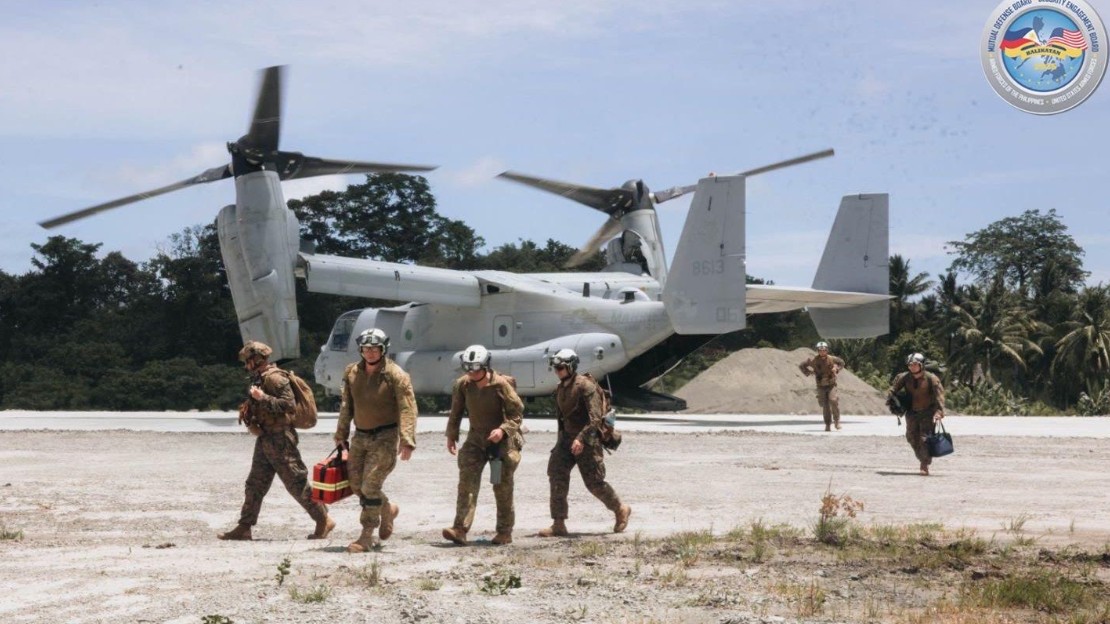
The Philippines has expanded its defense partnerships through status of visiting forces agreements (SOVFAs) and similar arrangements with other countries.
These include the United States, Australia, Japan, New Zealand, Canada, and, most recently, France, according to the Department of National Defense (DND).
These agreements provide the legal framework governing foreign troops temporarily conducting activities in Philippine territory, covering jurisdiction, entry and exit procedures, logistics support, and military cooperation.
The 1987 Philippine Constitution prohibits foreign troops from establishing permanent military bases in the country or conducting military activities without a treaty duly concurred in by the Philippine Senate.
Through these agreements, foreign militaries may enter the Philippines for joint activities and exercises.
SOVFAs and similar arrangements generally promote interoperability, enhance practical cooperation, and support humanitarian assistance and disaster response operations.
While they share common objectives, their provisions vary depending on the partner country. The degree of legal control, reciprocity, and operational scope differs in each case.
Not allowed
Despite these agreements, foreign troops are not allowed to establish permanent military bases in the Philippines.
They also cannot independently conduct combat operations within Philippine territory, as permitted activities are limited to joint exercises, training, and humanitarian missions.
Any real-world military action must be approved by the Philippine government and carried out with Philippine forces.
Visiting troops cannot freely enter or move within the country without coordination. They must comply with entry protocols, as well as approved locations and schedules.
Foreign personnel are not exempt from Philippine law and may face prosecution, especially for serious crimes or offenses involving Filipino citizens.
As with the United States, some agreements include provisions on custody and jurisdiction, but these do not grant total immunity.
The use of weapons is tightly controlled. Firearms and military equipment are allowed only during authorized activities and must be declared and regulated.
Visiting forces must also comply with environmental and safety regulations. Improper disposal of hazardous waste and environmental damage are prohibited, with corresponding cleanup obligations and liability for damages.
They are likewise prohibited from engaging in business or profit-making activities in the Philippines.
All agreements emphasize that the Philippines retains full sovereignty. Foreign troops cannot override local authorities and must respect Philippine laws and institutions.
West Philippine Sea
In recent years, the Philippines has strengthened its defense agreements with other countries under President Ferdinand Marcos Jr., amid growing security concerns involving China in the West Philippine Sea.
Tensions persist as Beijing claims nearly the entire South China Sea, a vital trade route that carries more than $3 trillion in annual shipborne commerce. The area overlaps with claims by the Philippines, Vietnam, Indonesia, Malaysia, and Brunei.
Portions of the South China Sea within the Philippines’ exclusive economic zone have been designated by the government as the West Philippine Sea to reinforce the country’s claim.
The West Philippine Sea refers to the maritime areas on the western side of the Philippine archipelago, including the Luzon Sea and waters within and adjacent to the Kalayaan Island Group and Bajo de Masinloc.
In 2016, the Permanent Court of Arbitration in The Hague ruled in favor of the Philippines, declaring that China’s claims had “no legal basis.”
China has refused to recognize the ruling.—MCG, GMA News

