

 GMA Brandtalk
 Tracking
 Archives

Transport groups: Fuel tax relief delays, weak aid push drivers off roads
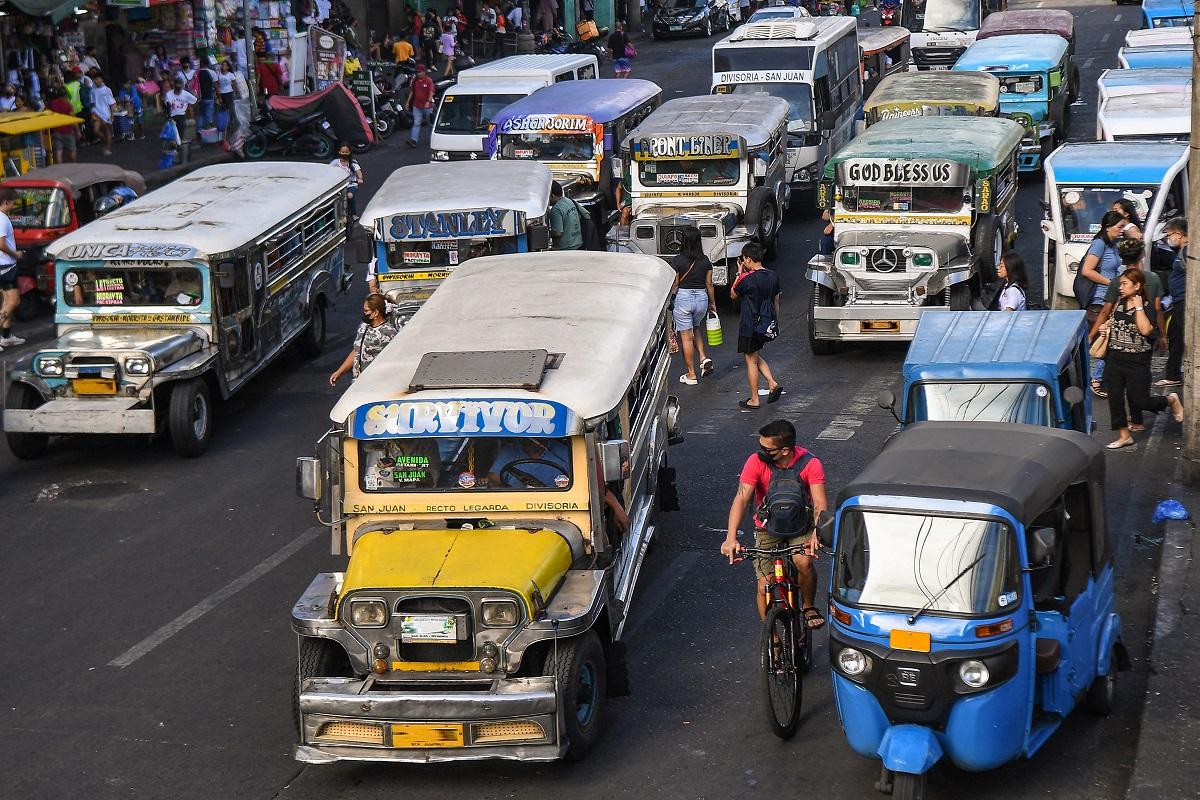
Transport groups warned that delays in fuel tax relief and inadequate government support are forcing many drivers off the roads, with some now struggling to provide for their families.
In separate interviews on DZBB Super Radyo on Monday, leaders of major transport groups said rising fuel costs and the lack of effective intervention are worsening conditions for public utility drivers.
Orlando Marquez, president of the Liga ng Transportasyon at Operators sa Pilipinas (LTOP), said many operators are already reeling from high fuel prices and the continued absence of long-promised relief measures.
“Pinag-uusapan na may emergency powers para sa Pangulo… pero paano mo pa iaahon ang sektor kung patay na ang kabayo?” Marquez said.
(We are already talking about granting emergency powers to the President… but how can you still lift the sector if the horse is already dead?)
He added that while discussions on suspending the excise tax on fuel have persisted, drivers have yet to feel any concrete relief.
“Sinasabi ‘yung excise tax na ‘yan… hanggang ngayon, ni sentimo wala pang ibinibigay,” he said.
(They’ve long been talking about that excise tax… but up to now, not a single cent has been given.)
Marquez stressed that transport workers are not staging a strike but are simply unable to operate under current conditions.
“Hindi ito strike. Parang holiday na rin—kung nagho-holiday ang gobyerno, magho-holiday na rin kami… Bibiyahe ka, wala ka namang kikitain,” he said.
(This is not a strike. It’s like a holiday—if the government is on holiday, we will also stop… If you go out to operate, you won’t earn anything.)
He added that nearly half of jeepneys are no longer plying their routes due to mounting financial losses.
“Halos kalahati na ang hindi bumibiyahe, lalo na ang mga jeepney (Almost half are no longer operating, especially jeepneys),” Marquez said.
For many drivers, the situation has become dire.
“Mabuti pa magkarpintero na lang kami… para may pambili ng isang kilong bigas at pang-ulam,” he said.
(It’s better for us to work as carpenters… so we can at least afford a kilo of rice and food for our families.)
Meanwhile, Libay de Luna, national president of the Alliance of Concerned Transportation Organization (ACTO), echoed similar concerns, saying a significant portion of both traditional and modernized public utility vehicles have stopped operating.
“Halos one-fourth na ng ating traditional at modernized units ang hindi na bumibiyahe ngayon,” de Luna said.
(Nearly one-fourth of both traditional and modernized units are no longer operating.)
He also said government assistance remains inadequate.
“‘Yung ayuda hindi naman sapat dahil kulang-kulang ang ibinibigay sa atin,” he said.
(The aid is not enough because what is being given to us is insufficient.)
Transport leaders also raised concerns over the impact of longstanding policies such as the oil deregulation law, which they said has left the sector vulnerable to volatile fuel prices.—MCG, GMA News

