

 GMA Brandtalk
 Tracking
 Archives

CHED permits shift to 100% online classes amid oil crisis
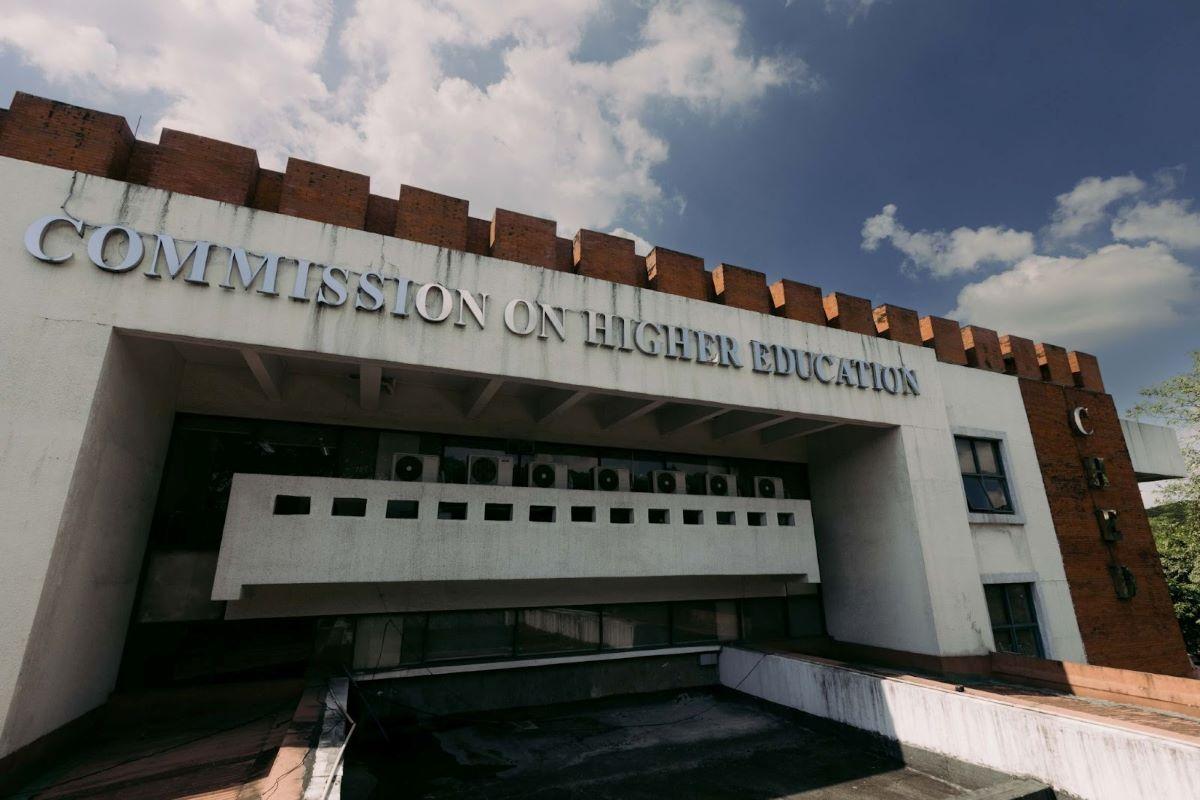
The Commission on Higher Education (CHED) on Wednesday gave the go-signal to universities and colleges to shift to full online classes for the rest of the academic year (AY) in light of the fuel crisis brought about by the Middle East conflict.
In a memorandum, CHED said it released the guidance for higher education institutions (HEIs) on implementing learning modalities as part of the country’s efforts to conserve energy amid the oil crisis.
“During the national energy emergency, HEls may adopt up to 100% online delivery as necessary and as a temporary arrangement, subject to institutional capacity and student readiness and notification to the CHEDRO (CHED Regional Office) concerned,” the commission said.
“Such temporary arrangements shall not be construed as authority to operate undergraduate and graduate programs through Open Distance and e-Learning,” it added.
It said the advisory remains effective until the end of AY 2025–2026 (including summer classes). A new advisory will be issued before AY 2026–2027.
It urged HEIs to use and continuously upgrade their approved plans in implementing flexible learning modalities.
Meanwhile, laboratory and skills-based components will be conducted onsite or through appropriate alternative modalities without compromising learning outcomes.
HEIs were also tasked with developing and implementing operational protocols for energy conservation measures. Consider student readiness, infrastructure, and program requirements when determining appropriate learning modalities.
They must provide students with adequate psychosocial support and guidance during flexible learning and consider.
“The reality remains: millions of Filipino students are still not equipped for a fully digital learning environment. Years after the pandemic, the same systemic issues persist—unstable internet connectivity, high cost of mobile data and electricity, lack of access to personal devices, and home environments that are not conducive to learning,” SCAP said.
“In this context, a full shift to online classes is not simply a flexible option, it becomes a policy that disproportionately excludes students from low-income and marginalized sectors," it added.
President Ferdinand Marcos Jr. earlier declared a state of national energy emergency, as prices of petroleum products are expected to further increase due to the Middle East conflict.
He had also announced that starting March 9, 2026, a four-day workweek will be temporarily implemented in offices under the executive department, as the Middle Conflict impeded the shipping of petroleum products in the Strait of Hormuz, which is considered the world's most vital oil export route.
Marcos also directed all agencies and instrumentalities of the national government, including GOCCs, to reduce their actual electricity and fuel consumption by 10% to 20%.—LDF, GMA News

