

 GMA Brandtalk
 Tracking
 Archives

Sounds from school activities not considered nuisance — SC
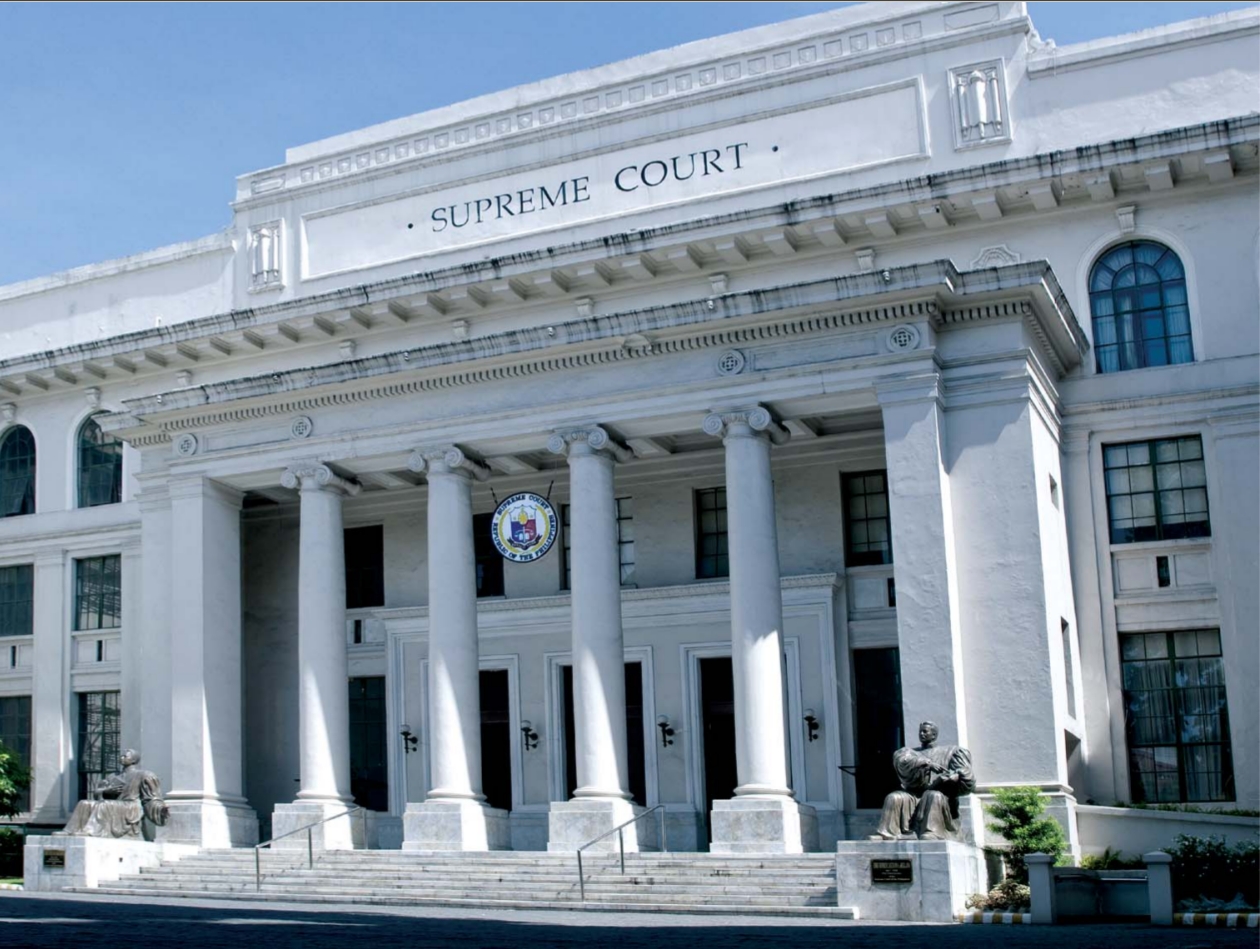
A school cannot be held liable for damages for noise or sounds coming from its regular activities as these are not considered a nuisance, according to the Supreme Court (SC).
In a 17-page petition, the Third Division granted the petition filed by the Couples for Christ School of the Morning Star (CFC-SMS) and reversed a ruling that awarded damages to residents of a subdivision in Butuan City.
“[T]he noise emanating from CFC-SMS constitutes academic noise, or sounds incident to the operation of an educational institution,” it said.
“Equally important, the sounds complained of from CFC-SMS do not exceed what might be reasonably expected from its school operations. Neither did CFC-SMS intentionally or unncessarily cause harm,” it later added.
The residents said they were exposed to loud noises from the school such as drums and bugles, teachers speaking through microphones and megaphones, and students cheering during games played at the multipurpose center.
Meanwhile, in defense, the CFC-SMS said it has been operating since 2012 with permits and clerances.
A trial court dismissed the residents’ case, ruling that they failed to prove they were harmed by the noise. However, the Court of Appeals reversed this decision.
For its part, the SC held that academic noise is not a nuisance.
The High Court said that nuisance includes any disturbance that interfere’s with a person’s comfort, property, or enjoyment.
According to the SC, to determine whether a noise is a nuisance, courts must consider more than just the location, environment and its effect on residents.
It said courts must also consider the reliability of the noise tests, the steps taken to reduce the noise, allowed noise limits, and whether there was intent to cause harm, how many people complained, and the action taken to address the situation.
The SC said that CFC-SMS immediately implemented measures to abate the noise emitted from its school operations.
Aside from this, the High Court said the complainants failed to prove that the noise was unreasonably uncomfortable. They also failed to prove that the noise aggravated a senior citizen’s medical condition.
Meanwhile, the SC said that while the complainants said their neighbors also complained about the noise, no other residents testified during trial.
“Living in a densely populated country such as the Philippines, where houses and businesses are suited in close proximity, amplifies people’s sensitivity to noise,” it said.
“However, not all kinds or levels of noise are actionable. Particulary, the Civil Code regards noise as nuisance only when it reaches an intensity that injures or endangers the health or safety of others, or annoys or offends the senses,” it added. — BAP, GMA News

