

 GMA Brandtalk
 Tracking
 Archives

What it's like in the Czech Republic's borders
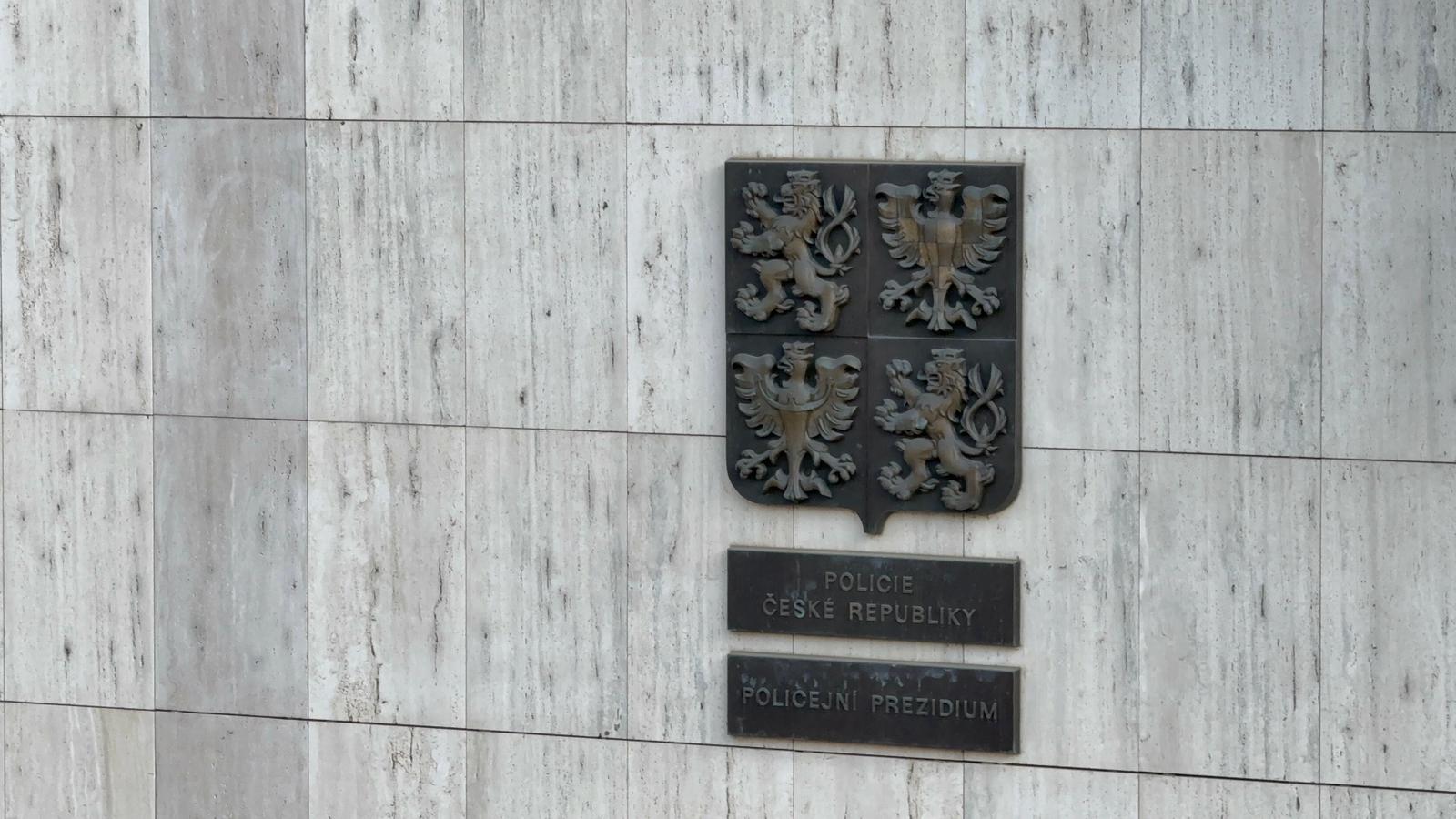
PRAGUE – Czech authorities detained former Ako Bicol Rep. Zaldy Co on Thursday after he reportedly tried to cross into Germany from their country without the proper documentation, according to President Ferdinand “Bongbong” Marcos, Jr.
The Philippine government said that Co was arrested after crossing the Czech Republic’s border with Germany. What is it like at the Czech Republic’s borders?
Although land borders throughout Central European countries are porous, border security remains strict.
Tourist buses and public passenger vehicles are often stopped at checkpoints, with border police of the destination country strictly checking the travel documents of travelers.
Stringent measures have been observed for individuals traveling with expired travel documents or those without passports. They are often asked to alight vehicles and brought to checkpoint holding areas for questioning.
Meanwhile, border police conduct random checks on private vehicles. Individuals are often asked to stay inside their vehicles while authorities review their travel documents. Such checks often last up to 30 minutes due to verification.
With the new Entry/Exit System (EES) in the European Union (EU), officially put into action on April 10, biometric registration of non-EU nationals entering and exiting the Schengen Area has become automated.
The EES uses fingerprint and face data “to stop people from overstaying, using fake identities or misusing visa-free travel.” It is set to gradually replace passport stamping.
What happens to detained individuals, according to the Czech Republic’s Charter of Fundamental Rights and Freedoms?
Based on Article 8 of the charter, a person detained by authorities for being accused of or having committed a criminal act shall be “immediately informed of the grounds for the detention, questioned.”
They should be “either released or turned over to a court” within 48 hours.
A Czech judge will need to hear the case or review the motion against the individual within 24 hours (up to 9:00 am on Saturday in Prague) to decide whether they should be released or kept in custody in a detention facility for undocumented foreign nationals or individuals facing pre-trial proceedings.
As of publishing time, neither the Czech Ministry of the Interior nor the Czech Police has issued an official statement regarding Co’s situation. –NB, GMA News

