

 GMA Brandtalk
 Tracking
 Archives

Czech authorities silent on Zaldy Co's detention amid European privacy laws
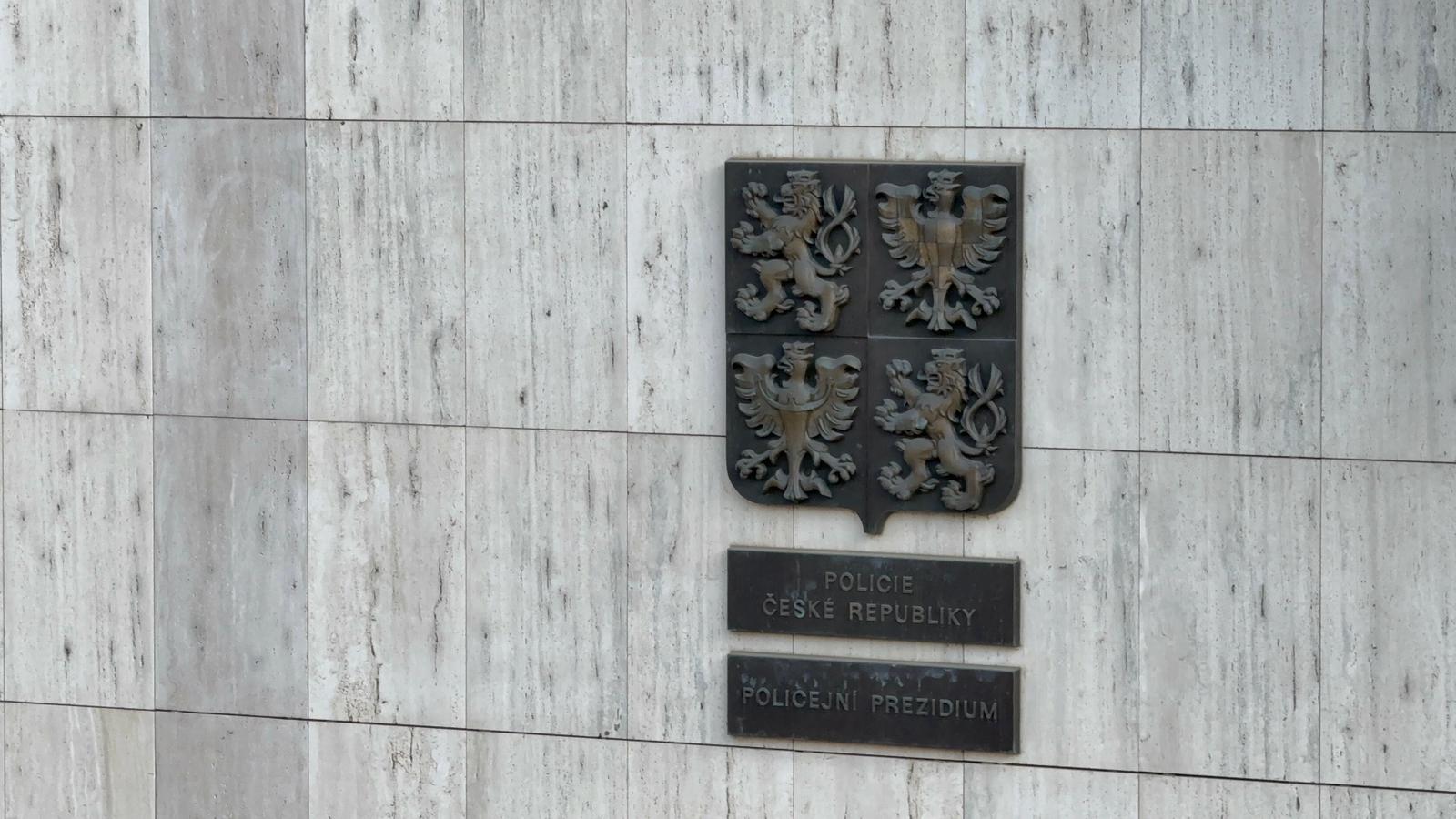
PRAGUE – Czech authorities won't comment on the reported detention of former Ako Bicol Rep. Zaldy Co, who, according to top Philippine officials, was detained in the Czech Republic after being stopped at the German border on Thursday.
Colonel PhDr. Ondrej Moravcík, Head of the Press Department of the Police of the Czech Republic, said the Czech police may not give information on any "specific case." He added that the Czech Ministry of Justice may comment on the matter.
"They are probably doing that. I read some information about this Filipino guy, and he's being spoken about by the people from MOJ," Moravcik said.
The Directorate of the Foreign Police Service also referred GMA News to the MOJ for comments.
“We will not provide any information on the case. You must contact the Ministry of Justice of the Czech Republic,” Foreign Police Service spokesperson Capt. Bc. Josef Urban wrote.
The Czech justice ministry told GMA News that it was “in contact with the Ministry of the Interior and the Police of the Czech Republic.”
“Until the current status of the case is verified, we cannot provide any information,” Czech justice ministry spokesperson Markéta Andrová told GMA News in an email.
Interior Secretary Jonvic Remulla on Friday said Co, who was reportedly with his family when they were subjected to border checks, had no travel documents when he crossed into Germany from the Czech Republic on Thursday.
President Ferdinand "Bongbong" Marcos, Jr., announced on Thursday that Co was detained in Prague for having no proper documentation.
Co, who has been linked to kickbacks from flood control projects and to billions of pesos in insertions in the national budget, is facing graft and malversation charges before the Sandiganbayan.
The court has since declared him "a fugitive."
Co has denied benefitting from kickbacks and budget insertions.
In the European Union (EU), data and personal privacy are strictly protected under the General Data Protection Regulation (GDPR), which has been in place since 2018.
Moravcik said that under Czech law, it might be “possible” to provide some information in certain cases.
However, he said Co’s situation is being viewed from the perspective of European law.
“European law is very strict. So, there is no chance we can say anything about a specific person in this case. It's European law, and it's very strict and very prohibitive,” Moravcik told GMA News. –NB, GMA News

