

 GMA Brandtalk
 Tracking
 Archives

CHR: 'Safer Cities' ops must comply with human rights standards, rule of law
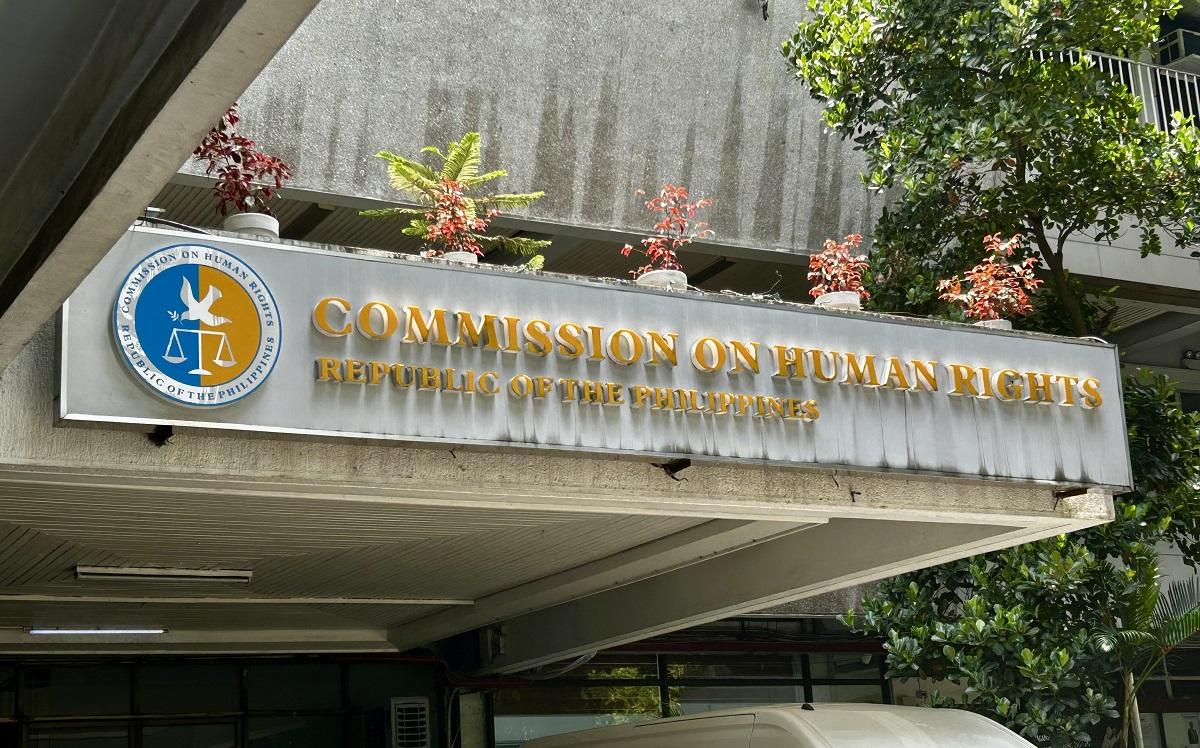
The Commission on Human Rights (CHR) on Wednesday urged authorities to ensure the enforcement of the Safer Cities Initiative remains grounded in human rights standards and the rule of law.
“We welcome the DILG’s ongoing efforts to refine implementation by promoting clearer guidance, consistency in enforcement, and alignment with rights-based policing. Addressing criminality, illegal drugs, and threats to public order is essential to safeguarding public welfare,” the CHR said in a statement.
“These efforts, however, must at all times be carried out in full compliance with human rights standards and the rule of law,” it added.
GMA News Online has sought comment from the Department of the Interior and Local Government (DILG) and the Philippine National Police (PNP) but they have yet to provide a statement as of posting time.
On April 6, the Safer Cities Initiative was launched, enforcing intensified monitoring against public drinking, shirtless loitering, late-night karaoke, curfews for minors, among other measures to curb street crimes.
On April 13, Interior Secretary Jonvic Remulla apologized after a construction worker was arrested for being shirtless in Barangay Addition Hills, Mandaluyong City.
The Manila Police District (MPD), meanwhile, on April 12 suspended its operations after concerns that these may have an “anti-poor” impact.
The CHR raised concerns over reports of questionable arrests tied to ordinance violations, warning that such actions may disproportionately affect marginalized communities.
The Commission cited legal limits under the Local Government Code of 1991 and pointed out that ordinance violations alone do not automatically justify warrantless arrests or searches, based on the Ridon v. People ruling.
It cited more constitutional safeguards under the 1987 Philippine Constitution, as well as protections under the Anti-Torture Act of 2009 and custodial investigation rights.
There should also be heightened protection of minors during police operations, as provided in the Juvenile Justice and Welfare Act of 2006, according to the CHR.
Authorities must adopt a child-sensitive approach, ensure coordination with guardians and social workers, and avoid measures that could expose children to harm, intimidation, or unnecessary detention, it said.
Law enforcement must follow principles of legality, necessity, proportionality, and accountability, consistent with international standards such as the International Covenant on Civil and Political Rights, the Commission added. — RSJ, GMA News

