

 GMA Brandtalk
 Tracking
 Archives

Gov't agencies sign SOP to implement POGO ban
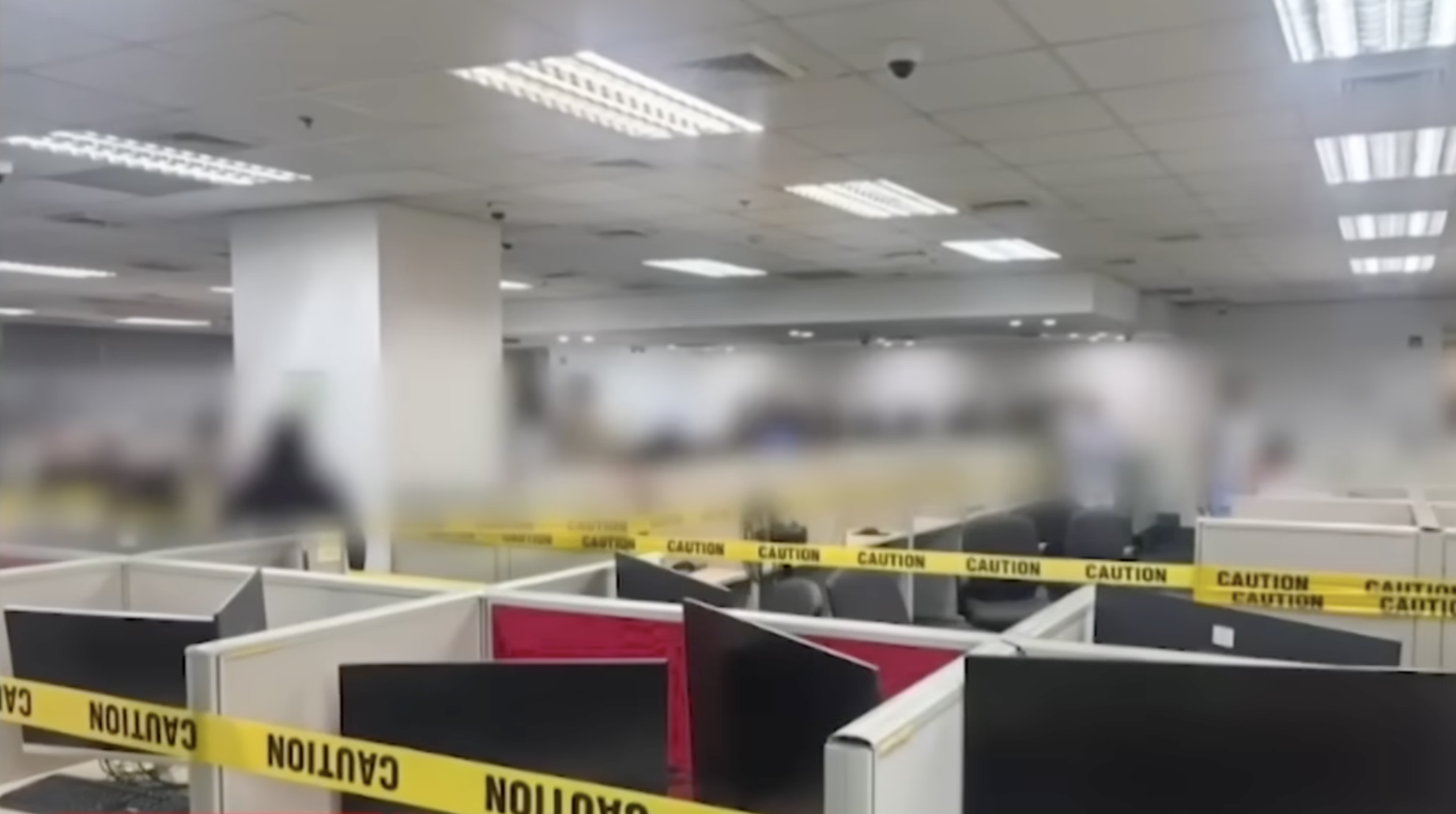
Several government agencies on Wednesday signed the interagency standard operating procedures (SOP) to implement the executive order banning Philippine Offshore Gaming Operators (POGOs) in the country.
In a statement, Executive Secretary Ralph Recto said the move “puts the final nail in the coffin” of POGOs and would prevent their “resurrection in a different form.”
Recto presided over the signing of the SOP on the implementation of Executive Order No. 74, which President Ferdinand “Bongbong” Marcos Jr. signed on Nov. 5, 2024.
“That directive was the first decisive step in dismantling an industry that had promised much in revenues and jobs, but in reality delivered little beyond immense suffering to countless Filipinos,” Recto said.
“It was a decision rooted not in convenience, but in conscience; not in expediency, but in duty—one I had recommended when I was Finance secretary, knowing that whatever revenues POGOs claimed to generate could never justify the social ills they create,” he added.
Recto said the guidelines would also “clean up the mess the social scourge left behind,” including assisting trafficked individuals and addressing the disposal of buildings in so-called scam hubs.
The SOP implements Republic Act No. 12312, or the “POGO Ban Act,” which took effect late last year. It consolidates 15 laws and department orders into a single “omnibus action plan” against POGO operations.
It establishes a unified, legally compliant workflow to address illegal POGOs and illegal gambling licensees (IGLs) and related crimes—from intelligence gathering and operations to evidence handling, prosecution, and asset preservation.
Under the SOP, the Presidential Anti-Organized Crime Commission (PAOCC) will serve as the lead coordinating agency, while the Department of Justice (DOJ) will embed prosecutors early in case buildup to strengthen prosecutions and improve conviction rates.
The Anti-Money Laundering Council (AMLC) and the Securities and Exchange Commission (SEC) will handle financial and corporate intelligence, particularly tracking the proceeds of illicit activities.
Meanwhile, the Department of Social Welfare and Development (DSWD) will provide temporary shelter for victims, ensure that trafficked persons are not criminalized, and facilitate access to witness protection.
The SOP also outlines procedures for managing and maintaining seized POGO assets.
Go after protectors, financiers
Senator Risa Hontiveros, chair of the Senate Committee on Women, Children, Family Relations, and Gender Equality which earlier probed the crimes linked to POGO, welcomed the development, saying that the SOP should also go after the POGO operators, protectors, recruiters, financier, and everyone else who allowed the system to prosper.
“The SOP must go after that entire architecture, and the whole of government must not stop until the entire structure comes down,” she said in a statement.
“Gumagana pa rin ang kanilang mga network. Naglipana pa rin ang mga scammers. Marami pa ring mga Pilipinong biktima ng human trafficking papunta sa mga compound sa ibang bansa,” she added.
(Their networks are still operating. Scammers are still thriving. Many Filipinos who are victims of human trafficking still go to their compounds abroad.)
She also said the Marcos administration must show that it is serious about implementing the Anti-POGO Law by ensuring that the industry has no place in the Philippines.
Senator Joel Villanueva, meanwhile, said that he supports the President in eliminating POGOs.
“Wala pong ambag ang negosyong ito sa ating lipunan, sa halip ay katakut-takot na salot pa ang dala nila gaya ng krimen at iba pang mga iligal na gawain. Nilugmok lang ng mga POGO ang ating bayan sa kumunoy at kwentado po natin ang halaga ng pinsala nito sa mga Pilipino,” he said in a statement.
(This business has no contribution to our society, instead it has brought plagues such as crimes and other illegal activities. POGOs let our country sink into a quicksand and we know the cost of its damage to Filipinos.)
Last year, Marcos signed into law Republic Act No. 12312, which bans and criminalizes offshore gaming operations in the Philippines.
The law prohibits the establishment, operation, or conduct of offshore gaming in the country, as well as the acceptance of bets for such activities.
It also outlaws the creation of POGO hubs or sites and the use, possession, or distribution of POGO gaming equipment and paraphernalia in the Philippines.— with Giselle Ombay/MCG/BM, GMA News

