

 GMA Brandtalk
 Tracking
 Archives

Can Zaldy Co be back in PH in 3 weeks? 'No way,' says Czech migration expert
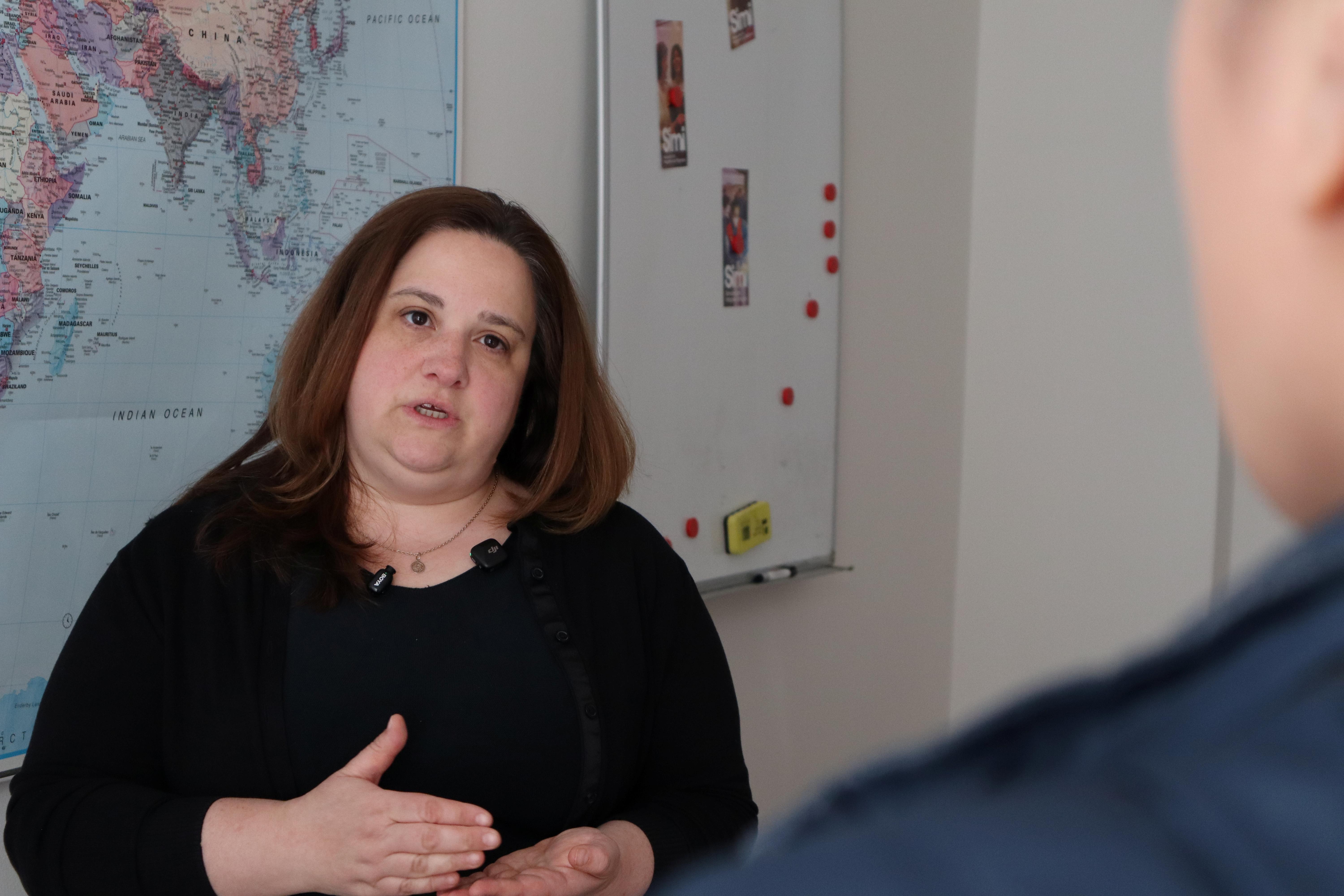
PRAGUE — The possible return of former Ako Bicol Party-list representative Elizaldy “Zaldy” Co from the Czech Republic will depend on legal procedures and could face delays, especially if he seeks asylum, a Czech migration law expert said.
In an interview with GMA News’ Mariz Umali, Magda Faltová, director of the Prague-based Association for Integration and Migration, said there’s “no way” that the former congressman would be brought back to the Philippines in three weeks, as announced by Interior and Local Government Secretary Jonvic Remulla.
Faltová said Czech authorities would have to follow either administrative or criminal legal procedures before Co can be sent back to the Philippines.
Aside from that, Czech authorities would first deal with Co’s immigration-related violation under Czech law, separate from the criminal cases he is facing in the Philippines, Faltová added.
Co, who is linked to alleged corruption in flood control projects, was reportedly arrested in Prague and is under immigration detention.
“The police can detain the person, or they can make a decision for him to leave the country,” Faltová said, explaining the standard procedure for undocumented or irregular foreign nationals in the Czech Republic.
She clarified that immigration detention is administrative and decided by police, not courts.
“The decision can be appealed to the court, but these are administrative courts and the deadlines are much longer,” she said.
Detention may last up to a year in exceptional cases, with initial review typically after 90 days.
If Philippine authorities seek his return to face corruption and malversation charges, Faltová said extradition proceedings may be initiated.
“The Czech Republic starts the procedure of extradition based on the formal notification from Interpol or the Filipino government,” she said. However, she noted that the process is “more complicated” because there is no extradition agreement between the Philippines and the Czech Republic.
She said Czech courts must first determine whether the alleged acts are also considered crimes under Czech law and assess whether Co’s rights would be protected if returned.
“They need to assess if there is this principle of non-refoulement,” she said, adding that authorities must ensure “he’s not going to be a victim of torture.”
Faltová added that courts would not rule on guilt but would evaluate the credibility of the case and the likelihood of a fair trial.
Faltová said corruption is punishable in the Czech Republic. “It’s a crime. It should be taken seriously,” she added.
She emphasized, however, that Czech courts are independent and cannot be swayed by political pressure or diplomatic lobbying.
“It’s a decision of the Czech judge,” Faltová said.
She added that visits by high-level Philippine officials may signal the importance of the case, but cannot legally dictate the outcome of court proceedings.
One factor that could significantly delay Co’s return is an asylum application.
“In all these procedures, he can apply for asylum,” she said, adding this was “most possible and probable” if he claims persecution.
She said asylum cases can take longer due to multiple levels of appeal. If no asylum application is filed, deportation could still take several months.
“If we are talking about deportation, it would be like months, several months,” Faltová said.
Asked about suggestions that Philippine officials might be able to immediately bring Co back home, Faltová said that there is “no way” it’s going to happen.
A high-level team led by Justice Secretary Fredderick Vida and Chief State Counsel Dennis Chan Mahalagaan is being sent here to coordinate with Czech authorities regarding Co’s possible return.
Faltová, however, stressed that this is unlikely to happen. “No, no, no, it would be like kidnapping. No way, no way, no.”
She said Czech authorities must first issue a formal decision, whether through deportation or extradition, before Co can legally be removed from the country, unless he chooses to leave voluntarily.
“But I don't think that's going to happen. Because he has been in hiding for several months,” she added.
While Faltová said extradition remains possible even without a bilateral treaty, she said that Philippine authorities must still formally initiate the process through legal channels.
“They need to start the formal procedure,” she said.
She added that while an Interpol red notice is one possible trigger, Czech authorities may also act on a direct request from the Philippines, depending on the circumstances and the legal documentation submitted.
Faltová also noted that past cooperation between the two countries could play a role, citing a previous case in which a Czech national was extradited from the Philippines.
She was referring to Jaroslav Dobeš, also known as "Guru Jára", who was extradited from the Philippines to the Czech Republic in 2023, 8 years after he was arrested in the Philippines for sexually abusing his female pupils.
Still, Faltová said any decision in Co’s case would ultimately depend on Czech legal procedure, judicial review, and the specific steps taken by Philippine authorities.—AOL, GMA News

