

 GMA Brandtalk
 Tracking
 Archives

Imee calls on gov't to pursue G2G oil procurement
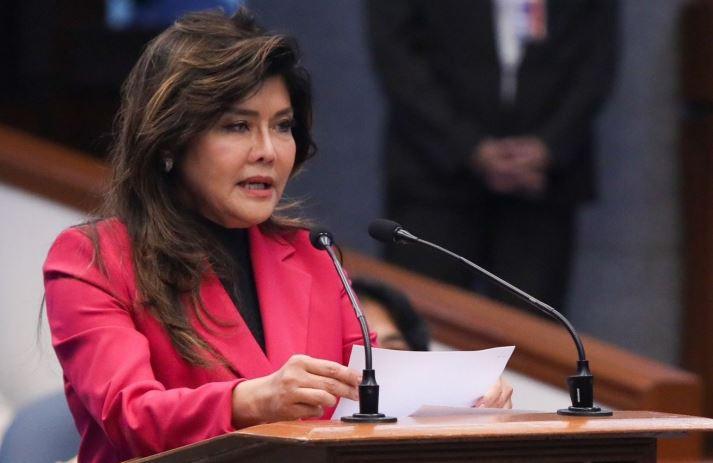
Senator Imee Marcos called on the government to pursue direct government-to-government (G2G) oil procurement to cushion the impact of the oil crisis brought by the tensions in the Middle East.
Marcos proposed that the government should engage in direct oil procurement from producing nations and sell it at lower, controlled prices.
“Why hasn’t there been a G2G deal with Russia during the sanctions waiver period? The waiver was even extended to May 16, yet the government has remained idle. Even Petron, a private company, was able to secure 2.48 million barrels of Russian crude. If a private corporation can do it, why can’t the Philippine government?” she said in a statement on Sunday.
Marcos cited that there were G2G procurements in the 1970s, which was during the presidency of her late father, Ferdinand Marcos Sr.
“In the 1970s, the government didn’t just wait for the market to stabilize. We negotiated direct G2G oil imports at deeply discounted ‘friendly’ rates to abate the shocks of 1974 and 1979. This strategy worked then; why aren't we doing it now?” she said.
The senator pointed out that several countries, like Indonesia, Sri Lanka, Vietnam, and other Asian countries are moving aggressively in procuring oil from other countries such as Russia.
“Our government must have a sourcing strategy beyond traditional routes vulnerable to disruption, particularly the Strait of Hormuz, by shifting to non-Middle Eastern suppliers,” said Marcos.
“At the same time, we should strengthen direct partnerships with regional producers like Malaysia, Brunei, and Indonesia instead of relying heavily on intermediaries in refining hubs such as Singapore, South Korea, and China.”
The government, through state-run Philippine National Oil Company, has ordered 22,000 metric tons, or 22 million kilos, of liquefied petroleum gas to boost the country’s buffer stock amid the ongoing Middle East fuel crisis.
The delivery is expected to arrive in the country on the second or third week of May, the Department of Energy said. —Vince Angelo Ferreras/RF, GMA News

