

 GMA Brandtalk
 Tracking
 Archives

EXPLAINER: Warning shots and when are they allowed, according to PNP
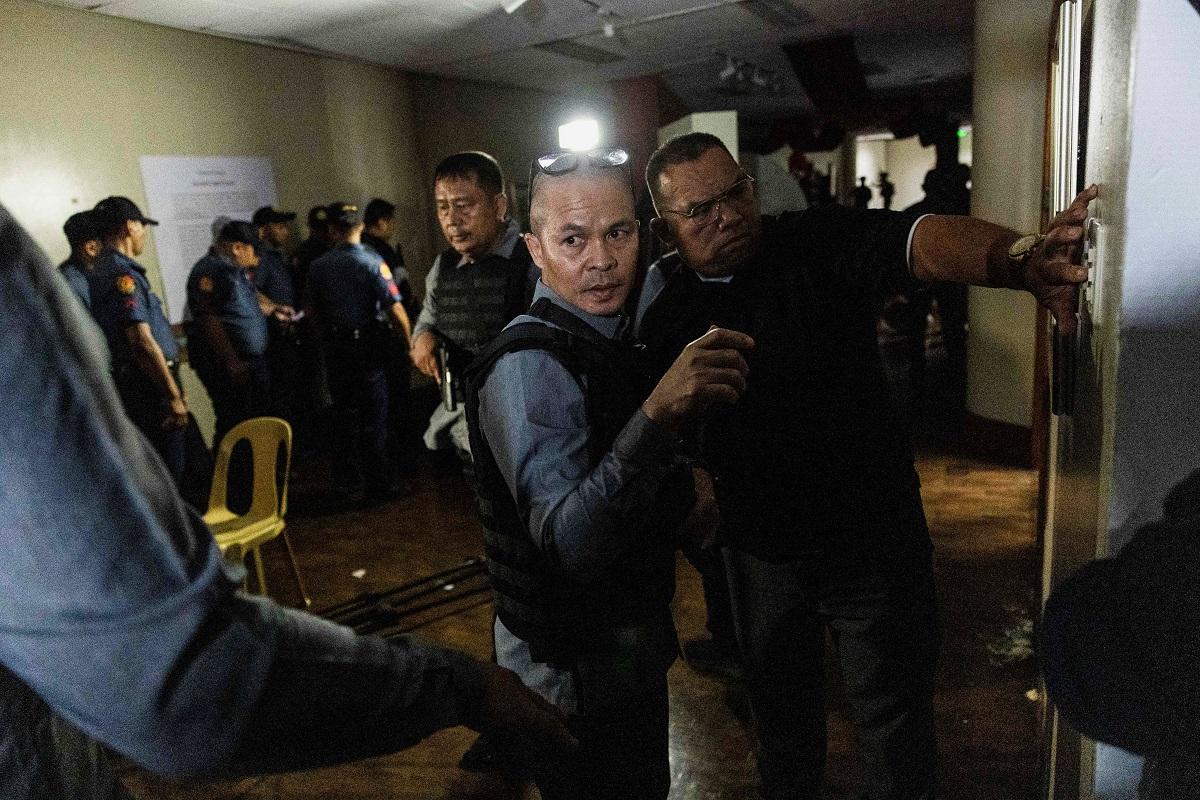
Gunshots were heard at the Senate Wednesday evening as the upper chamber was on lockdown.
On Thursday, Malacañang said Senate Sergeant-at-Arms and retired Police Major General Mao Aplasca fired the the first warning shot. Interior Secretary Jonvic Remulla said that Office of the Sergeant-at-Arms (OSAA) personnel fired 27 shots while a National Bureau of Investigation (NBI) agent fired five shots.
Aplasca said the OSAA personnel issued a verbal warning first before firing a gun.
But when are warning shots allowed?
Philippines National Police (PNP) spokesperson Police Brigadier General Randulf Tuaño told GMA News Online that the guidelines for warning shots are included in the Revised PNP Operational Procedures.
“The Revised PNP Operational Procedures contain specific provisions governing the use of force, discharge of firearms, and operational protocols during police interventions, including guidance on warning shots, verbal warnings, and the use of alternative means of communication during operations,” Tuaño said.
Based on the 2021 Revised PNP Operational Procedures Manual, police officers are generally prohibited from firing warning shots during operations, except under limited circumstances.
Under Section 2.11 of the manual, the use of firearms is justified only if an offender “poses an imminent danger of causing death or injury” to a police officer or other persons.
A provision also recognizes the doctrines of self-defense, defense of a relative, and defense of a stranger.
“The police shall not use warning shots during police operation except when the police officer is outnumbered and overpowered, and his/her life and limb is in imminent danger," the manual states.
The PNP manual follows a “force continuum,” or a graduated approach in responding to threats.
The continuum begins with non-lethal approaches such as police presence and verbal commands, then escalates to physical restraint and less lethal weapons if necessary.
Lethal force is considered a last resort.
Based on the PNP manual, lethal force may only be employed when all other approaches have been exhausted and are insufficient to stop a life-threatening threat posed by an armed suspect or offender.
It also emphasizes that police officers must use only “necessary and reasonable force” in carrying out their duties.
Any police officer who fires a service firearm during a confrontation is required to submit an incident report explaining the circumstances that led to the use of the weapon.
After an armed confrontation, officers are also instructed to secure the scene, assist wounded persons, conduct debriefing, and submit after-operation reports.
Meanwhile, non-PNP personnel who fire warning shots may face criminal charges.
At a press briefing, Tuaño said, “Sa mga insidente na mga halimbawa na warning shot outside PNP personnel, may batas kasi na maaaring mag-govern sa nasabing mga insidente.”
(In incidents such as warning shots outside PNP personnel, there is a law that can govern such incidents.)
“Ito ay ang indiscriminate firing na under Revised Penal Code o posibleng paglabag sa alarms and scandal na nandun din sa revised Revised Penal Code,” he added.
(This is indiscriminate firing under the Revised Penal Code or a possible violation of alarm and scandal that is also in the Revised Penal Code.) — RSJ, GMA News

