

 GMA Brandtalk
 Tracking
 Archives

ICC prosecutors aim for November start of trial vs Rodrigo Duterte
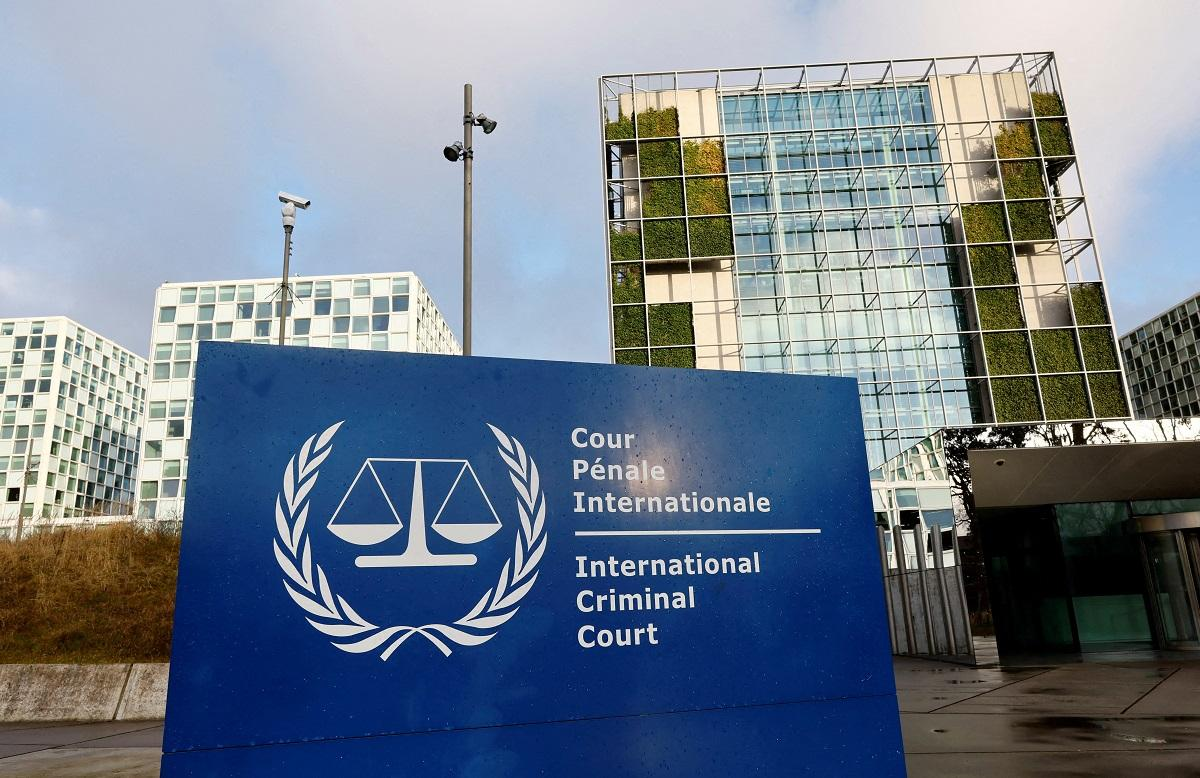
Prosecutors at the International Criminal Court (ICC) have proposed to begin in November the trial of former President Rodrigo Duterte on crimes against humanity charges over his controversial war on drugs, but the defense said it would be "inappropriate" to fix a date at this time.
In suggesting to start the trial on November 30, 2026, the prosecution said it expects to complete all of the necessary pre-trial steps by September 30.
"The proposed date for the start of trial will allow the prosecution to efficiently discharge its disclosure and other pre-trial steps... and will consequently likely prevent problems arising during the trial which could cause delay," the prosecution told the ICC Trial Chamber III ahead of the first status conference on May 27.
The Common Legal Representatives of the Victims suggested holding the first trial hearing in September 2026, "taking into account the right of the victims to expeditious proceedings, of the accused to be tried promptly and of new potential victims to be afforded a reasonable time to apply for participation in the proceedings."
Assess Duterte's condition
Duterte's defense team, however, said the date "is contingent upon a determination by the Trial Chamber of Mr. Duterte’s fitness to stand trial."
"The defense contends that it would be inappropriate to attempt to set a date for the commencement of trial as matters presently stand since certain extraneous and unresolved factors will inevitably bear upon that decision," newly appointed defense counsel Peter Haynes said in a separate document.
Haynes said the former president's condition "continues to deteriorate and will need more fully to be reviewed before any trial may commence."
He stated that the defense intends to request an examination of the 81-year-old Duterte by "independent experts."
"Should Mr. Duterte ultimately be found fit to stand trial, the defense requests that the Trial Chamber invite submissions and, if necessary, convene a further status conference as to whether his continuous physical presence at trial hearings would be required," he said.
"In light of Mr. Duterte’s advanced age and medical condition, any requirement that he attend hearings in person would likely necessitate significant health-related accommodations, with potential implications for the expeditious conduct of the proceedings."
Haynes said an accused is required "to follow extensive oral and documentary evidence over a prolonged period, maintain sustained communication with his defense team, provide instructions, and engage continuously with the evolving evidentiary record."
"In this context, sustained cognitive endurance assumes particular importance. Any significant impairment affecting memory, concentration, or reasoning would seriously prejudice the preparation and presentation of the defense and undermine Mr. Duterte’s ability to participate meaningfully in the proceedings," he added.
The defense added that in other cases, it took 14 to 19 months for the trial to start following the confirmation of charges.
Haynes also asked that English be adopted as the working language of the parties and of the proceedings.
"The defense further requests that witness testimony be interpreted into both English and Cebuano to enable Mr. Duterte to follow the proceedings," he said.
"While the defense is not currently in a position to provide detailed information concerning potential defense witnesses, it is anticipated that any such witnesses would, in all likelihood, testify in English, Cebuano, Tagalog or a mixture of the three."
'Expert witnesses'
There are between 60 and 70 prosecution witnesses in total, including 25 to 30 who would give oral testimony.
The prosecution is considering calling "expert witnesses" on matters such as the historical, political, and cultural background of the war on drugs, statistical analysis of the use of deadly force by police in the Philippines, statistical analysis of the number of people killed during the drug war, police methodology, use of force and standard operating procedures, and forensic science.
It estimated that the direct examination of witnesses may take 175-200 hours.
"The prosecution anticipates that it will seek to rely upon further documentary evidence currently in its collection. This will include audio/video items of speeches and other public statements made by Mr. Duterte, as well as their associated transcripts and/or translations," the prosecution said.
Haynes said the defense requested that it be provided, "at the earliest opportunity, a provisional witness list together with summaries of anticipated testimony in advance of the final witness list."
Duterte has been detained at the ICC in The Hague since March 12, 2025, while awaiting trial in connection with the alleged abuses in his war on drugs when he was Davao City mayor and president. He has denied the allegations and questioned the ICC's jurisdiction over the case.
The ICC has ruled that it has jurisdiction over crimes committed before the Philippines left the tribunal in 2019. —VBL, GMA News

