

 GMA Brandtalk
 Tracking
 Archives

PH lost P141B to illicit tobacco trade from 2024-2025 — study
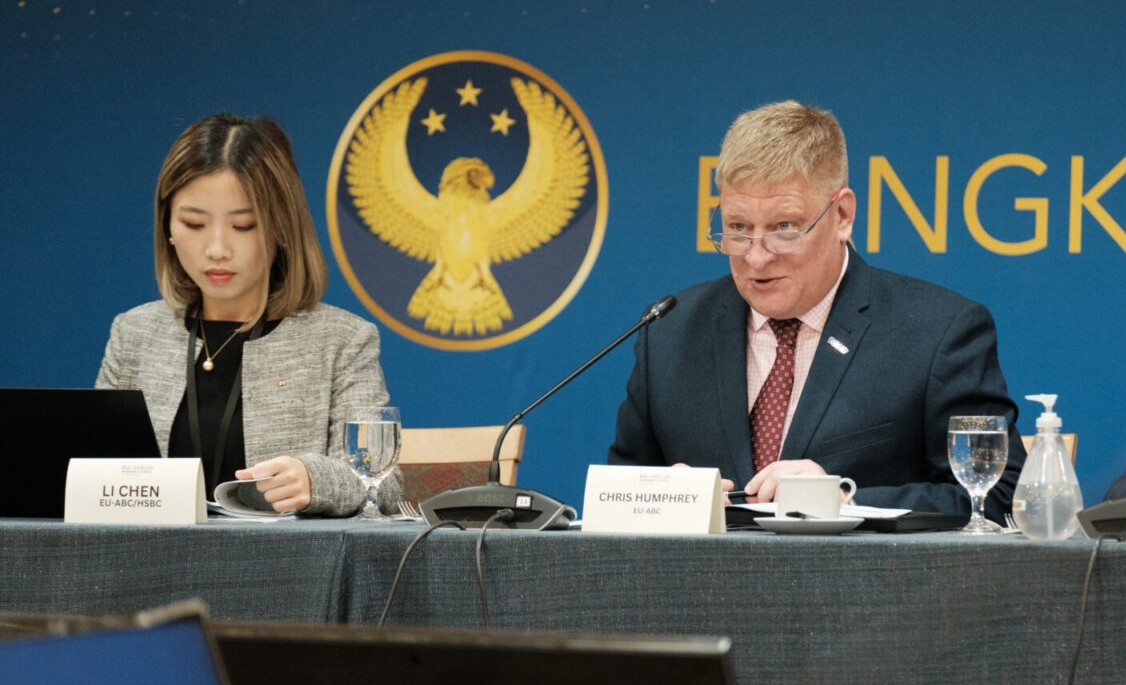
The Philippines lost an estimated P141 billion in government revenue due to illicit tobacco trade between 2024 and 2025, a new study showed.
A report by the European Union–ASEAN Business Council (EU-ABC) and Euromonitor International also found that 86% of e-vapes sold in the country were illegal, highlighting major gaps in taxation, regulation, and enforcement.
The study estimated that illegal tobacco operators earned around P127 billion during the same period, including about P23 billion from illicit vape sales.
It also found that the Philippines had the highest share of illicit vape products among Southeast Asian countries where vaping is legal.
Illicit e-vapes were defined as products that are non-duty paid, non-compliant with regulations, or sold despite restrictions, placing them outside government monitoring and taxation systems.
Tax policy, enforcement gaps
The findings come as the government continues to rely on tobacco excise taxes as a major revenue source, while authorities continue to grapple with smuggling and unregulated sales.
EU-ABC Executive Director Chris Humphrey said governments should pursue predictable and transparent tax policies, warning that sudden or steep tax hikes may unintentionally push consumers toward illegal products.
“If it's too big, it becomes a shock to the market… all you're doing is forcing more people into the illicit market,” he said.
Humphrey said a multi-year approach to tax adjustments could allow consumers and legitimate businesses to adapt more gradually.
At the same time, the study noted that a complicated tax system may be making it easier for illicit products to slip through, as varying tax rules for tobacco and nicotine products can create confusion, reporting errors, and loopholes that some sellers may exploit.
Economic agencies have floated proposals to simplify vape taxation, including a uniform tax rate across products.
Still, Humphrey stressed that tax policy alone cannot curb illicit trade without stronger enforcement.
Online sales, easy access
The report said many consumers may unknowingly purchase illicit vape products, which are widely sold through physical stores, social media, messaging apps, e-commerce platforms, and informal retail channels.
Small and individually packaged, these products are easy to transport and conceal in shipments, often entering supply chains disguised as regular goods.
Many transactions are completed offline, usually through cash payments, making them harder to trace.
The Philippines’ archipelagic geography further complicates enforcement, creating multiple entry points for smuggled goods through ports, maritime routes, and free-trade zones.
Humphrey said lower prices, easy access, and curiosity are key drivers of demand for illicit vapes, particularly among younger consumers.
“A lot of it are driven because it's a new product… people are just curious about the product itself,” he said.
However, the report clarified that it does not establish a direct causal link between taxes, access, or regulatory gaps and the growth of illicit sales.
Health, regulation concerns
Beyond lost revenue, the report raised concerns about the safety of unregulated vape products.
According to the study, illicit e-vapes may contain higher levels of toxic chemicals and heavy metals because they are not subject to the same manufacturing standards, safety testing, and regulatory oversight as legal products.
“In short, yes—because they're not regulated. You're not controlling their complete manufacture… you're not controlling what's inside the vapes,” Humphrey said.
“If you're running an illicit vape business, you care less about what's inside it… all you're caring about is making the money,” he added.
The findings come as the Department of Health pushes for stricter vape controls amid concerns over youth vaping and e-cigarette or vaping use-associated lung injury (EVALI).
Humphrey, however, cautioned against outright bans, saying these may push consumers further into illegal markets.
“If you completely ban a product… you're forcing people into the illicit market,” he said, citing countries where banned vape products continue to circulate illegally.
He said governments should balance taxation, regulation, and anti-smuggling measures, adding that these efforts should go “hand in hand.”
Humphrey also called for stronger coordination among ASEAN countries, saying illicit tobacco trade is a cross-border problem that cannot be addressed by governments acting alone. —MCG, GMA News

