

 GMA Brandtalk
 Tracking
 Archives

EXPLAINER: What is Ebola disease?
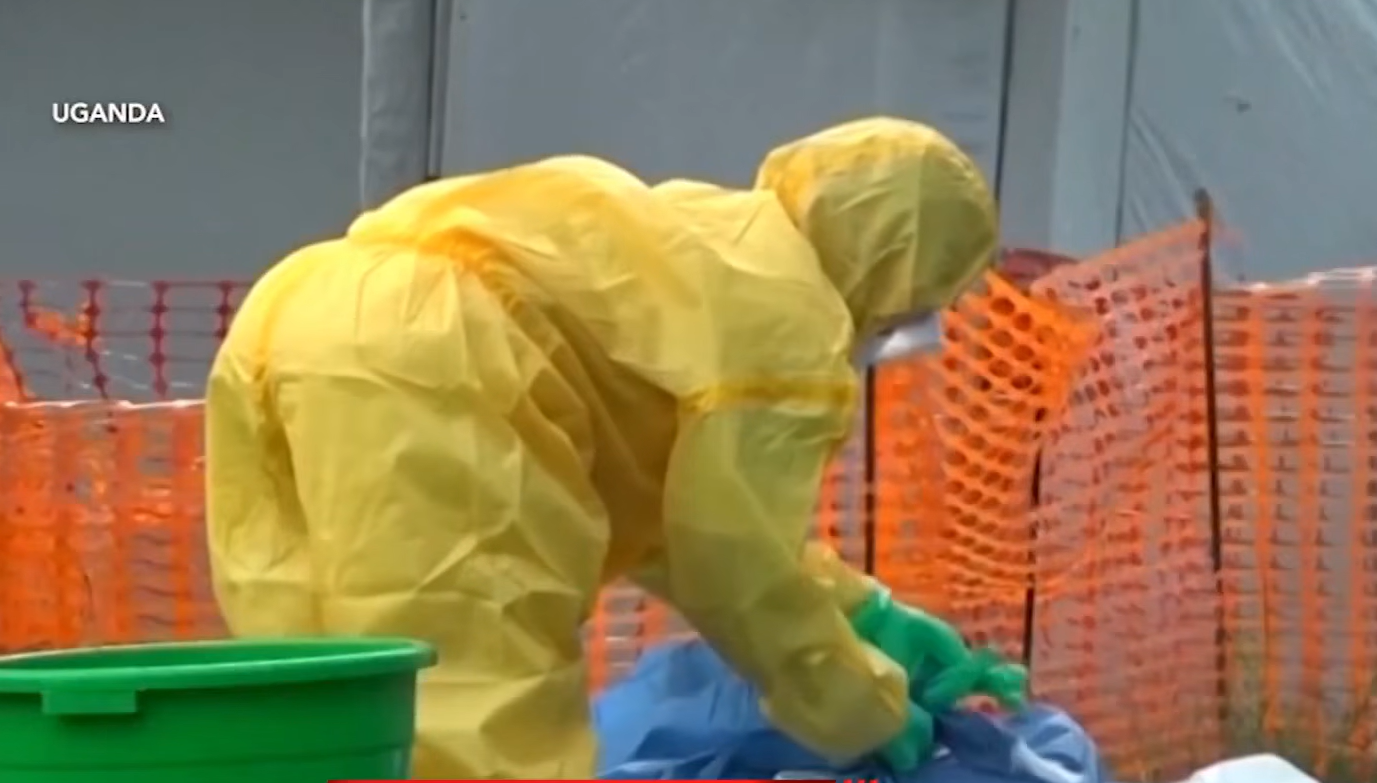
The World Health Organization (WHO) has declared the Ebola outbreak in the Democratic Republic of the Congo and Uganda a “public health emergency of international concern” following dozens of suspected deaths and concerns over cross-border transmission.
The outbreak is linked to the Bundibugyo virus, a species of Ebola virus first identified in the DRC, where Ebola was initially discovered in 1976.
According to the WHO, this marks the DRC’s 17th Ebola outbreak, and the total number of infections could be significantly higher due to increasing suspected cases and high positivity rates in initial samples.
Unlike the more common Ebola-Zaire strain, there are currently no approved vaccines or treatments specifically for the Bundibugyo virus, making the outbreak especially concerning. The last recorded Bundibugyo outbreak in the DRC occurred in 2012.
The Philippine Department of Health (DOH) said it is coordinating with the WHO after the declaration.
“The DOH is always ready and on alert. We have been notified through the IHR (International Health Regulations) channels and are in active coordination with the WHO,” the agency said.
What is Ebola disease?
Ebola disease is a severe and often fatal illness caused by viruses belonging to the Orthoebolavirus genus.
According to the WHO, the disease initially causes symptoms such as:
- fever
- fatigue or weakness
- muscle pain
- headache
- sore throat
- general body malaise
- As the disease progresses, patients may also experience:
- vomiting
- diarrhea
- abdominal pain
- skin rash
- impaired kidney and liver function
In severe cases, patients may develop internal and external bleeding, including blood in vomit or stool, and bleeding from the nose, gums, or vagina.
However, the WHO noted that bleeding is less common than many people assume and often appears later in the illness.
The disease can also affect the brain and nervous system, causing confusion, irritability, and aggression.
How does Ebola spread?
Ebola spreads to humans through close contact with bodily fluids of infected animals, particularly fruit bats, primates, antelope, porcupines, and other wildlife found sick or dead in rainforest areas.
It can also spread from person to person through direct contact with:
- blood or bodily fluids of infected individuals
- bodies of people who died from Ebola
- contaminated objects and surfaces
- An infected person becomes contagious only after symptoms appear.
- Burial practices involving direct contact with the body of someone who died from Ebola can also contribute to transmission.
The WHO estimates Ebola’s average fatality rate at around 50%, although this varies depending on the outbreak and access to treatment.
What is the incubation period? How is Ebola treated?
The incubation period—or the time between infection and the onset of symptoms—ranges from two to 21 days. Ebola is confirmed through laboratory testing.
To date, six orthobolaviruses have been identified, but three are known to cause major outbreaks:
- Ebola virus (EBOV), which causes Ebola virus disease (EVD)
- Sudan virus (SUDV), which causes Sudan virus disease (SVD)
- Bundibugyo virus (BDBV), which causes Bundibugyo virus disease (BVD)
While vaccines and treatments exist for Ebola virus disease caused by the Zaire strain, no approved vaccine or therapy currently exists for Bundibugyo or Sudan virus disease.
Still, the WHO said early supportive care—including hydration, treatment of symptoms, and medical monitoring—can improve survival and may be lifesaving.
How are outbreaks controlled?
According to the WHO, Ebola outbreaks can be controlled through:
- rapid clinical care
- disease surveillance and contact tracing
- laboratory testing
- infection prevention in health facilities
- safe and dignified burials
- vaccination programs (where available)
- public awareness and community engagement
The WHO said it works with countries to strengthen preparedness plans and support outbreak response, including case management, vaccine and treatment trials, logistics, and training for safe burial practices.—MCG, GMA News

