

 GMA Brandtalk
 Tracking
 Archives

EXPLAINER: What is a General Security of Military Information Agreement?
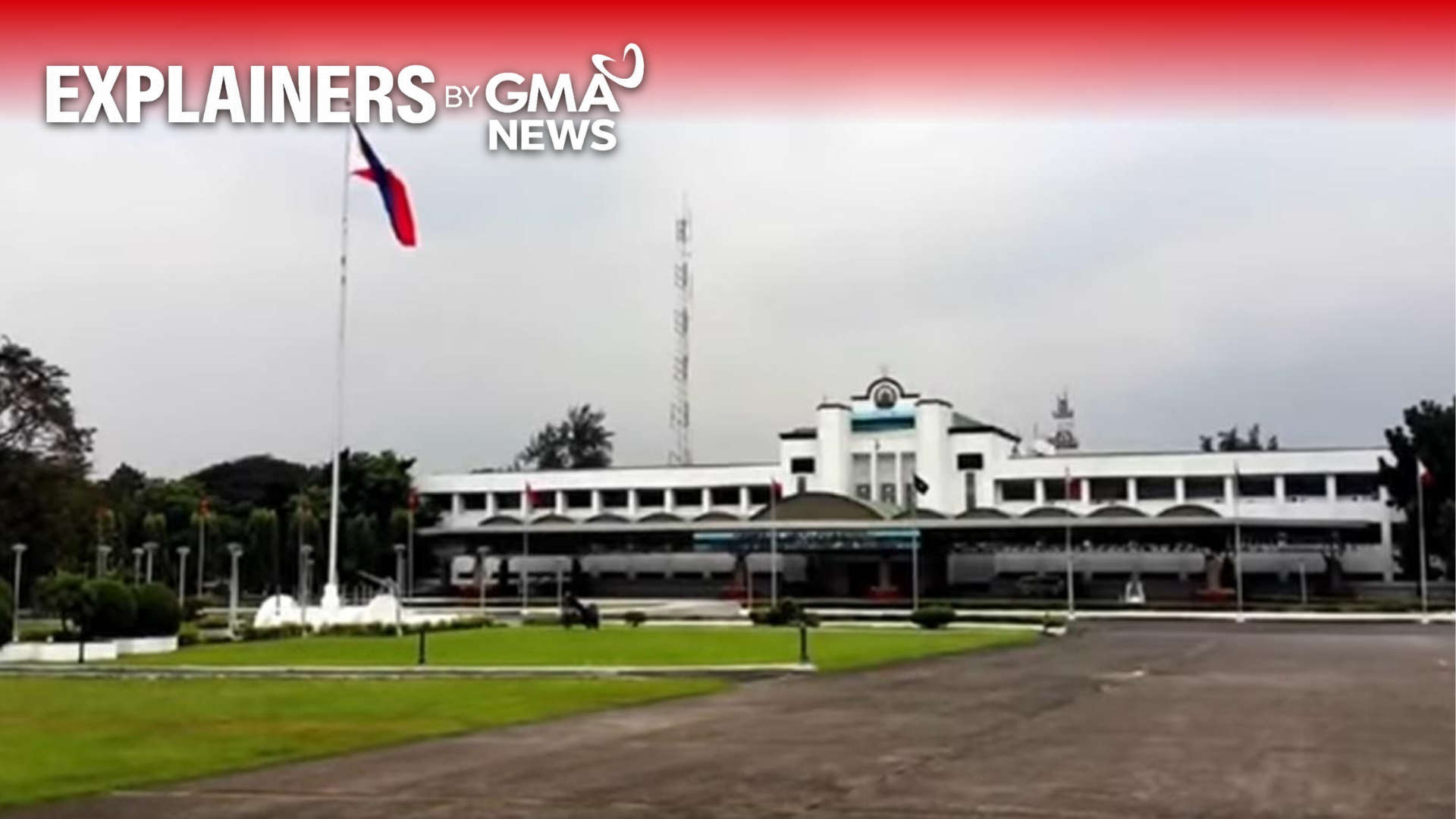
The Philippines and Japan have agreed to begin talks for a General Security of Military Information Agreement – a move which President Ferdinand Marcos Jr. is aimed at boosting the two nations’ defense cooperation.
In a joint press conference with Japanese Prime Minister Takaichi Sanae on Thursday in Tokyo, Marcos announced the commencement of the negotiations of a General Security of Military Information Agreement.
“These are very important steps to further strengthen our defense cooperation and to uphold a rules-based maritime order. They will enhance the mutual trust between our two countries,” he said.
No other details were provided on the upcoming agreement.
In November 2024, the Philippines signed a General Security of Military Information Agreement (GSOMIA) with the United States, which the Department of National Defense (DND) said was a “critical step to enhance information-sharing and deepen interoperability.”
The GSOMIA was signed by DND secretary Gilberto Teodoro Jr. and then US secretary of defense Lloyd Austin III.
“Not only will this allow the Philippines access to higher capabilities and big-ticket items from the United States, it will also open opportunities to pursue similar agreements with like-minded nations,” the DND said back then.
What is a General Security of Military Information Agreement?
In the case of the “Agreement Concerning Security Measures for the Protection of Classified Military Information” between the Philippines and the US, the deal facilitates the secured sharing of classified military information.
According to a copy of the GSOMIA posted on the US Department of State website, each party shall protect classified military information of the other party according to the terms set forth in the GSOMIA.
“The recipient Party shall be responsible for the protection of all Classified Military Information of the releasing Party in a manner that is at least equivalent to the protection afforded to Classified Military Information by the releasing Party while the Classified Military Information is under its control,” the US-Philippines GSOMIA said.
“While in transit, the releasing Party shall be responsible for all Classified Military Information until custody of the Classified Military Information is formally transferred to the recipient party.”
How Classified Military Information is protected
The agreement also stated that no individual shall be entitled to have access to Classified Military Information solely by virtue of rank, position, appointment, or personnel security clearance (PSC).
Under the GSOMIA, access to Classified Military Information “shall be granted only to individuals who have a Need to Know and who have been granted the requisite PSC in accordance with the prescribed standards of the recipient Party.”
The recipient Party shall not release Classified Military Information of the releasing party to any third party, including any third-party government, individual, firm, institution, organization, or entity without the prior written consent of the releasing Party.
In addition, the recipient Party shall not release the said information of the other party to another agency of its government, unless the other agencies to and is capable of protecting the Classified Military Information.
The recipient Party shall not use or permit the use of the Classified Military Information of the releasing Party for any other purpose than that for which it was provided for without the releasing Party’s prior, written consent.
The recipient Party shall also respect any private rights that are associated with Classified Military Information of the releasing Party, including rights with respect to patents, copyrights, or trade secrets.
It shall not release, use, exchange, or disclose the information in a manner inconsistent with these rights without the prior written authorization of the owner of those rights.
The recipient Party shall ensure that the facility or establishing handling Classified Military Information maintains a list of individuals at the facility or establishment who are authorized or have access to the said information.
The GSOMIA also mandated each party to comply with any and all limitations on the use, disclosure, release, and access to Classified Military Information as may be specified by the releasing Party.
Release, transmission of information
The recipient Party may release Classified Military Information to a contractor or prospective contractor whose duties require access to such information with the prior written consent of the releasing Party.
Before doing so, the recipient Party shall confirm that the contractor has the capability to safeguard the information in accordance with the terms of the GSOMIA and that they have been granted appropriate PSCs and facility security clearance (FSC).
The GSOMIA also stated that Classified Military Information shall be transmitted between the Parties through government-to-government channels or other channels mutually approved in advance and in writing.
The Parties may also verify the implementation of security requirements through reciprocal visits to the other’s facilities. — JMA, GMA News

