

 GMA Brandtalk
 Tracking
 Archives

New school year, same problems? Teachers flag issues that may prolong learning crisis
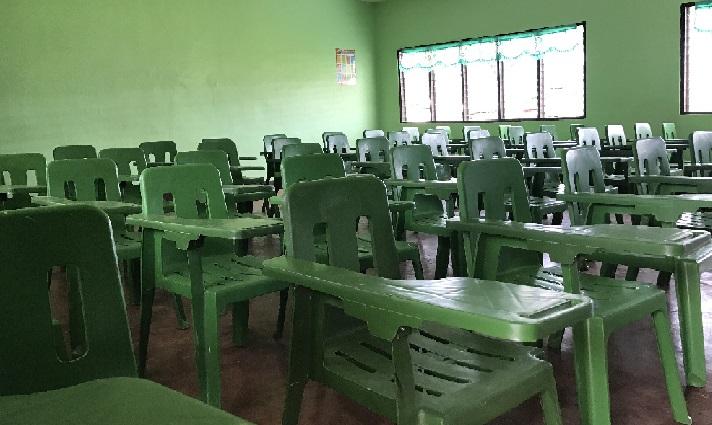
More than 26 million learners are expected to return to classrooms nationwide on Monday as School Year 2026-2027 officially opens, but teachers warn that the country's learning crisis could persist unless longstanding shortages in schools are addressed.
While the Department of Education (DepEd) is rolling out reforms aimed at improving learning outcomes and supporting teachers, educators said gaps in classrooms, personnel, textbooks, and learning materials continue to hamper efforts to help students recover from years of poor learning performance.
“Bagong school year pero mga lumang problema ang sasalubong sa mga magulang at guro, pero ang masaklap pa may dagdag na trabaho sa ilalim ng mga ura-uradang mga programang gustong ipatupad ng DepEd sa paparating na school year,” ACT Teachers Party-list national chairperson Ruby Bernardo told GMA News Online.
(A new school year is beginning, but parents and teachers will be met by the same old problems. Worse, additional work is being imposed through hastily implemented programs that DepEd wants to roll out this coming school year.)
Bernardo said the government's efforts to improve learning outcomes would fall short if chronic shortages in the education sector remain unresolved.
“Despite the so-called historic trillion-peso education budget, it remains grossly insufficient to resolve the massive shortages in basic education needs, with classroom shortage standing at 165,000, teacher shortage at 150,000, and shortage of more than 300,000 education support personnel including guidance counselors, school nurses, and registrars, as well as millions of lacking textbooks and learning materials,” she said.
According to Bernardo, these deficiencies continue to affect the quality of instruction and make it more difficult for schools to address learning gaps among students.
She also questioned DepEd's assertion that teachers' workloads would be reduced under the reforms being implemented this school year.
“Hindi rin maramdaman ng guro ang ipinagmamalaki ng DepEd na gagaan ang aming trabaho sa bagong school calendar dahil sa mga ibinigay sa aming teaching loads, mabigat na nga ay kinarga pa ang ARAL Program samantalang nangako ito na hindi ito ikakarga sa mga guro at maghahire ng 446,000 na mga non-DepEd tutors,” she highlighted.
(Teachers do not feel the workload reduction that DepEd has been touting under the new school calendar because of the teaching loads assigned to us. On top of already heavy workloads, teachers have also been burdened with the ARAL Program despite assurances that it would not be imposed on them and that 446,000 non-DepEd tutors would be hired.)
She added that despite the program's P8.9-billion budget, many teachers continue to shoulder school-related expenses without compensation.
The ACT leader called on the Marcos administration to increase investments in education and improve the welfare of teachers and education workers.
“We call for political and decisive action from the Marcos Jr. administration by allocating 6% of GDP to education, raising teachers' and education workers' salaries to decent and livable levels, and overhauling the curriculum and education system to align with the needs of genuine national development,” she said.
For its part, DepEd said it is implementing a comprehensive package of reforms and support measures that will benefit more than 26 million learners, over 45,000 public schools, and nearly 900,000 teachers nationwide.
Education Secretary Sonny Angara said the reforms are intended to improve learning outcomes while providing greater support for educators.
“Mas titiyakin natin na maayos ang pagkatuto ng mga bata at mas suportado ang ating mga guro. Ginawa natin ang mga repormang ito upang gawing mas malinaw ang sistema, mas epektibo ang pagtuturo, at mas nakatuon sa pangangailangan ng mga mag-aaral,” Angara said in a statement.
(We will ensure that children learn better and that our teachers receive greater support. We implemented these reforms to make the system clearer, teaching more effective, and education more responsive to the needs of learners.)
Among the reforms being implemented this school year are the shift to a three-term school calendar, the Learning Continuity in Emergencies policy, simplified lesson planning requirements through the ILAW Framework, updated assessment and grading guidelines, and the nationwide rollout of the strengthened Senior High School curriculum.
DepEd said the three-term calendar is expected to provide longer and more coherent learning periods, while the revised assessment system seeks to place greater emphasis on learner progress and meaningful feedback.
The department has also streamlined lesson planning requirements and introduced policies intended to reduce administrative burdens on teachers, allowing them to focus more on classroom instruction.
In addition, public school teachers are set to receive a P10,000 teaching allowance under the Kabalikat sa Pagtuturo Act to help cover classroom-related expenses.
“Habang pinapahusay natin ang sistema ng pag-aaral, sinisiguro rin natin na mas may suporta ang ating mga guro na siyang nasa frontline ng edukasyon.”
(As we improve the education system, we are also ensuring that teachers, who are at the frontline of education, receive greater support.)
As millions of learners return to school, the challenge facing education officials goes beyond ensuring a smooth opening of classes. The bigger test, teachers say, is whether the reforms being introduced this year can translate into better learning outcomes while longstanding shortages in classrooms, personnel, and learning resources remain unresolved.
For educators, the success of School Year 2026-2027 will ultimately be measured not by enrollment figures or new policies, but by whether Filipino students are finally able to recover from the learning gaps that have persisted for years. — BM, GMA News

