

 GMA Brandtalk
 Tracking
 Archives

SC suspends lawyer Jesus Falcis for 1 year over 'vulgar' words in 2018 Twitter post
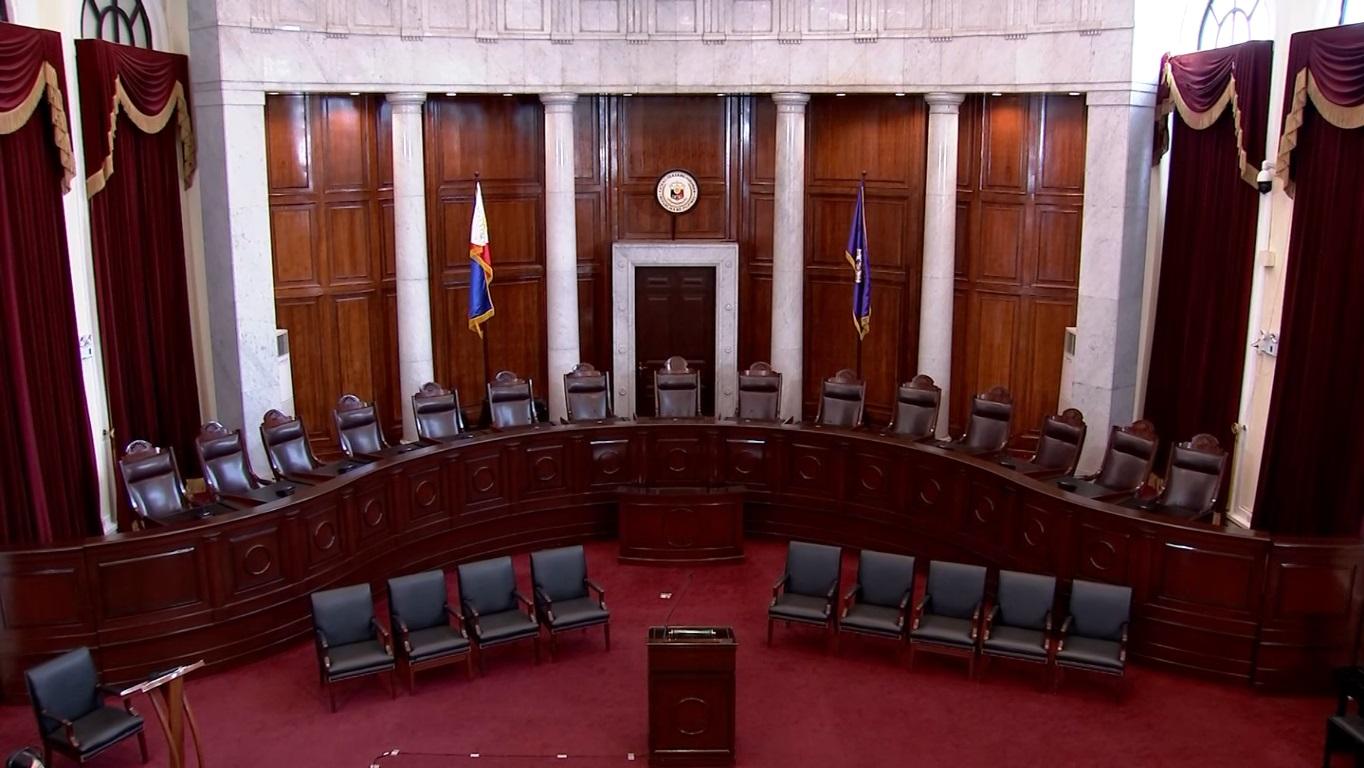
The Supreme Court (SC) has suspended lawyer Jesus Falcis from the practice of law for one year for using vulgar language in a social media post in 2018.
In a 10-page decision promulgated in November 2025 but made public only on Monday, the Second Division found Falcis guilty of simple misconduct.
The SC warned that a repetition of the same or similar infraction would be dealt with more severely.
“This is misconduct that tends to discredit the legal profession. The mandate for lawyers to use social media responsibly strengthens public trust in the legal profession and must always be borne in mind by every lawyer,” it said.
“Respondent clearly failed to align his conduct with this mandate,” it added.
The case stemmed from a complaint filed against Falcis over a tweet he made in defense of his brother, who was facing a theft complaint.
The tweet read: “Yung mga biased na dilawan dyan, halata kayo. Sa allegations ni Kris, paniwalang paniwala na kayo agad. Pero sa allegations namin na she threatened my brother, wala ako naririnig sa inyo? P***u kayo mga g**o haha check your cognitive biases.”
(To those biased ‘yellows’ out there, you’re obvious. With Kris’ allegations, you immediately believed them. But with our allegations that she threatened my brother, I don’t hear anything from you? Sc**w you haha check your cognitive biases.)
He was alluding to movie and television actress Kris Aquino, a sister of former President Benigno “Noynoy” Aquino III.
“Dilawan” is a political label in the Philippines that originally referred to supporters of the Liberal Party, especially during the time of then-President Aquino and his political allies.
Over time, “dilawan” evolved into a broader—often informal or even pejorative—term used by political opponents to describe critics of the Duterte and Marcos administrations.
When asked for comment, Falcis said he accepted the Court’s ruling, adding that all lawyers should be held accountable for their words and actions.
“That is why I prostrate myself before the SC for disciplining me. In the same vein, I respectfully urge the Honorable Court to resolve the pending disbarment cases against former President Rodrigo Duterte and Vice President Sara Duterte, to show that indeed, no one is above the law,” he said in a statement.
Falcis also stressed that he was fighting for his brother’s life and liberty, as well as his family’s safety and reputation.
“I felt helpless and powerless, with only my small voice on social media. We were nobodies, and I was screaming into the void,” he said.
“If being suspended is the price I have to pay for defending my family, then it is a price I will pay in any lifetime,” he added.
In its ruling, the SC rejected Falcis’ justification that he used such words out of passion to express anger, saying he could have remained within the realm of legal discourse.
“Instead, he used profanity to verbally attack what he referred to as 'dilawans’ or supporters of Aquino. Clearly, this behavior falls short of the expected conduct of a lawyer,” the SC said.
The SC added that Falcis should have considered the risks of using vulgar language on social media, its ethical implications, and its possible influence on both lawyers and non-lawyers, including children.
“Evidently, respondent failed to take these implications and consequences into account, and in doing so, he likewise failed to uphold the directive to responsibly use social media,” it said.
The SC noted that while freedom of expression is guaranteed, lawyers must exercise caution in their online posts.
“They are reminded to always practice restraint in their conduct, whether in real life or on social media. Otherwise, the rule of law may be circumvented and rendered nugatory by seeking public sympathy through social media,” it said.
The Court also noted that at the time Falcis made the post, a case involving his brother was already pending, where he could have advanced his arguments before the proper tribunal.
Instead of pursuing legal remedies, the SC said Falcis resorted to personal attacks against “dilawans.”
The SC also said the use of the term “dilawan” contributed to political polarization.
“Thus, as for the penalty imposed on the respondent, this Court deems it proper to modify the penalty to suspension of one year from the practice of law,” it said.—MCG, GMA News

