

 GMA Brandtalk
 Tracking
 Archives

ASEAN, Russia hopeful that US-Iran deal will stabilize Middle East situation
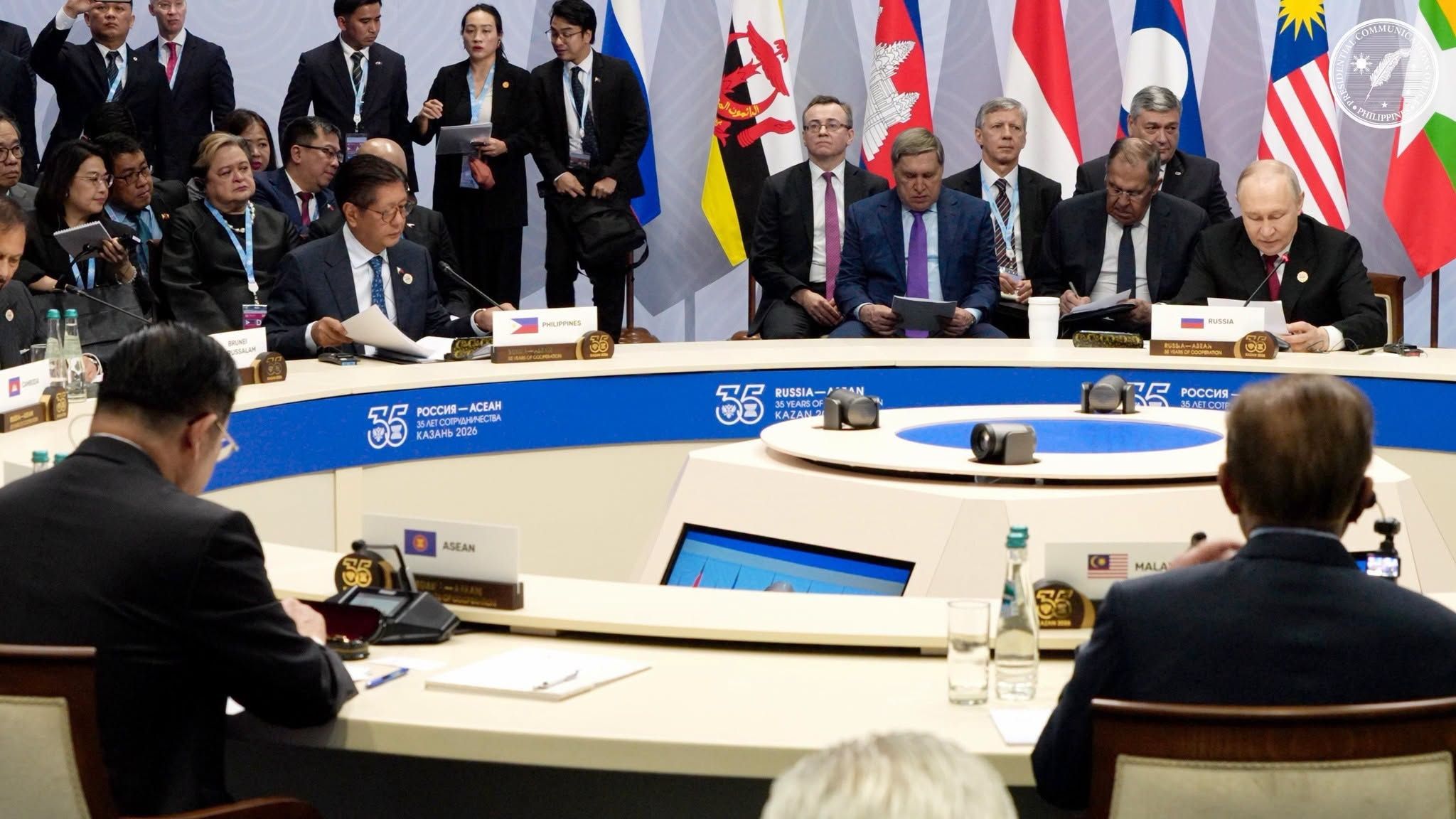
Members of the Association of Southeast Asian Nations (ASEAN) and Russia on Thursday welcomed the signing of a memorandum of understanding of the United States and Iran to end hostilities in the Middle East.
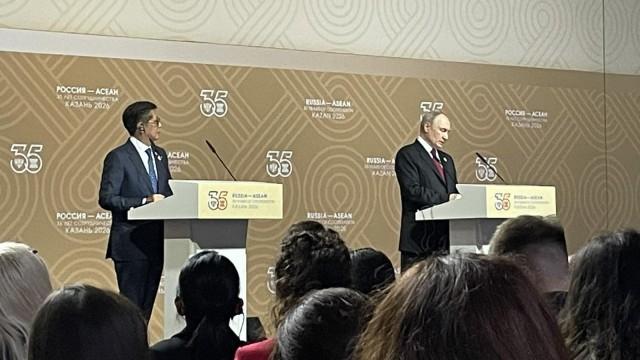
“Unanimously, we welcome the agreement between Iranian and American sides on cessation of the military conflict and about their work on modalities of a future peaceful agreement,” Russian President Vladimir Putin said in a joint press conference with President Ferdinand Marcos Jr., his co-chair in the ASEAN-Russia Commemorative Summit in Kazan, Russia.
“We expect that the fact that the document was signed by heads of state, by President Trump and President Pezeshkian, they give us reason to believe that this document is a serious document that will be the foundation for the future agreements,” he added.
Earlier on Wednesday, US President Donald Trump and Iran President Masoud Pezeshkian signed the memorandum of understanding aimed at ending the Middle East conflict.
Trump put his signature to the memorandum of understanding during dinner with French President Emmanuel Macron at the Palace of Versailles following a G7 summit.
Iranian Foreign Ministry spokesman Esmaeil Baqaei, quoted by the state news agency IRNA, said the document “was finalized with the signatures of the presidents.”
The memorandum of understanding came after more than three months of tensions in the Middle East, which affected commercial shipping in the Strait of Hormuz.
With this development, Putin said the situation in the Middle East and the Persian Gulf “will stabilize, which will have a positive effect, among others, on global energy and food markets.”
“On many issues of the modern world, our positions are close or they are coinciding. That applies in particular to the situation around Iran,” Putin said.
For his part, Marcos said the ASEAN-Russia summit “underscored our collective commitment to strengthening cooperation across the political, security, economic, and sociocultural pillars of engagement.” — JMA, GMA News

