

 GMA Brandtalk
 Tracking
 Archives

ICC sets rules for Rodrigo Duterte trial proceedings
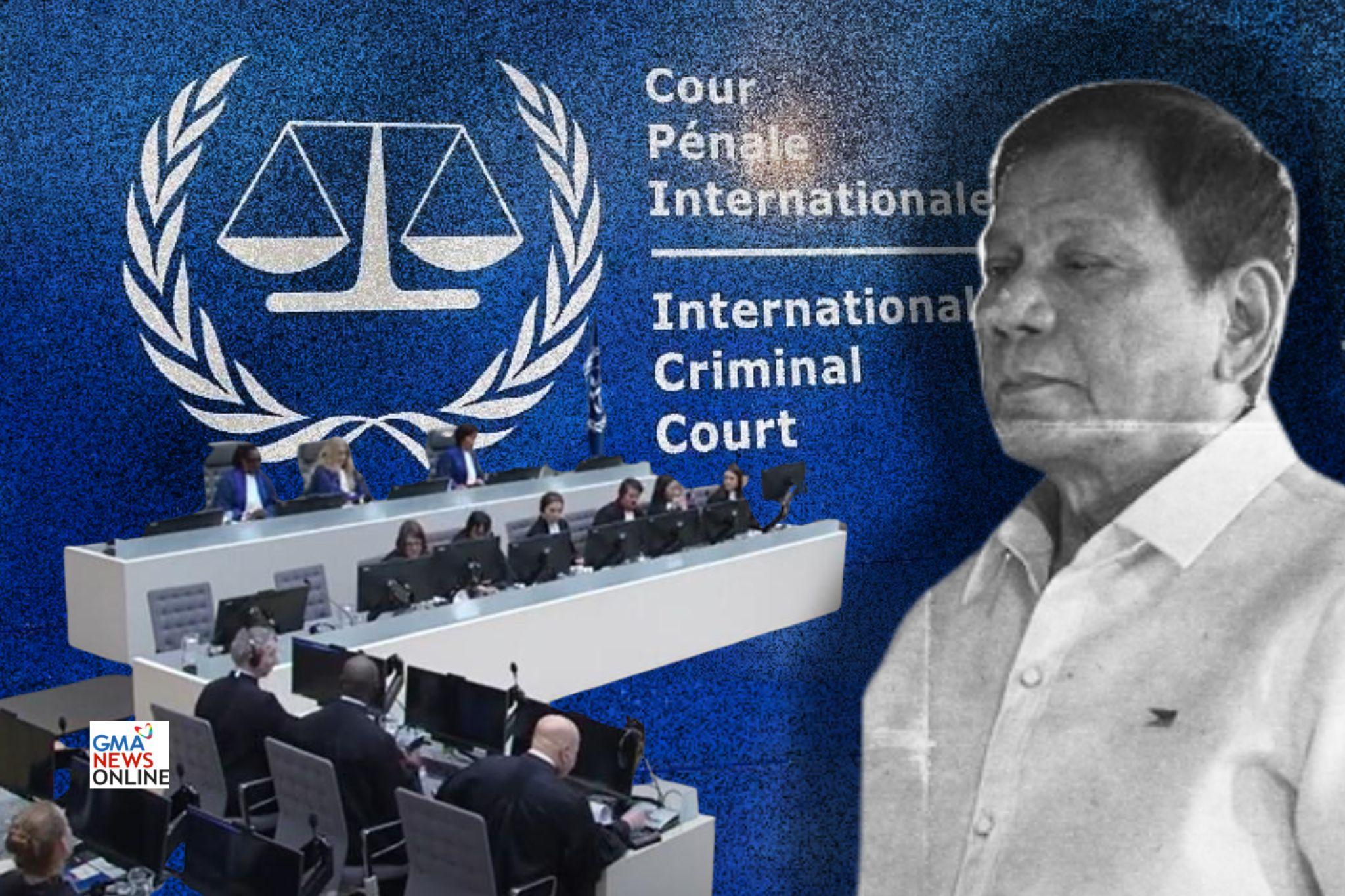
Judges of the International Criminal Court (ICC) Trial Chamber III on Friday issued directions governing the conduct of trial proceedings in the crimes against humanity case against former President Rodrigo Duterte.
The trial chamber said the reading of charges will take place at the start of the trial on November 30, 2026.
Before this, the prosecution must submit, by August 31, a detailed trial brief, along with a list of witnesses it intends to call during the trial and a list of all items it plans to present as evidence.
The Common Legal Representatives of Victims (CLRV) may also choose to file a trial brief by September 28.
Duterte’s lawyers have until October 30 to tell the court which key facts or legal arguments presented by prosecutors are being challenged and provide the basis for those objections, as well as the general nature of his defense.
“The Chamber reiterates that this filing does not preclude the defense from raising further issues at a later stage if these become evident in the course of the trial or the defense’s investigations,” it said.
During the trial, the prosecution will deliver the first opening statement, followed by the CLRV and the defense.
“The prosecution will be given the requested six hours to present its opening statement. The CLRVs will be given three hours. The Chamber notes that the defense cannot estimate at this moment the duration of its opening statement. Accordingly, it will rule upon this in due course,” the ICC said.
The trial will be organized into three stages:
- presentation of evidence by the prosecution;
- any presentation of evidence by the CLRVs, should leave to do so be granted; and
- any presentation of evidence by the defense.
The court will allow the submission of documentary, digital, or physical evidence without first ruling on its admissibility.
"The Chamber will ultimately assess the relevance, probative value and potential prejudice of the evidence (the ‘standard evidentiary criteria’) as part of the holistic assessment of all evidence submitted when deciding on the guilt or innocence of the accused," it said.
“Exceptionally, for items of evidence considered by the Chamber to be of particular importance, including those relied upon repeatedly by the parties, the Chamber acting proprio motu or at the request of either party may give a ruling on admissibility at the time of that item’s presentation, after hearing the parties’ submissions on admissibility.”
On the order of questioning, the calling party will question the witness first, followed by the CLRVs, if any, and then the non-calling party.
“During this questioning, the non-calling party may, for example, ask questions related to the credibility of a witness, the reliability of the evidence presented, as well as mitigating and/or aggravating circumstances. However, the questioning by the non-calling party is not without limitation, notably in that the questions posed must be demonstrably relevant to the issues in the case or to the credibility of the witness or their testimony,” the ICC said.
The ICC said the defense has the right to question a witness last, if necessary.
The court also directed the prosecution to file an application seeking “relevant in-court protective measures” for its witnesses no later than October 30.
“Insofar as possible, witness testimony shall be given in public. If in-court protective measures are in place for a witness, parties and participants shall at all times be cautious and ensure that questions asked during public sessions do not compromise these measures,” it said.
An examining counsel must also ensure that the use of private and/or closed sessions is limited to what is strictly necessary.
The judges also discussed protocols for transcripts, email decisions, witness preparation, and e-court.
Duterte has been in ICC custody since March 2025 in connection with charges over killings during his tenure as Davao City mayor and during the war on drugs under his presidency.
The ICC recently ordered a new medical examination for the 81-year-old Duterte to determine whether he is fit to stand trial. — VBL, GMA News

