

 GMA Brandtalk
 Tracking
 Archives

Inter-agency committee launches NACS, national anti-corruption strategy
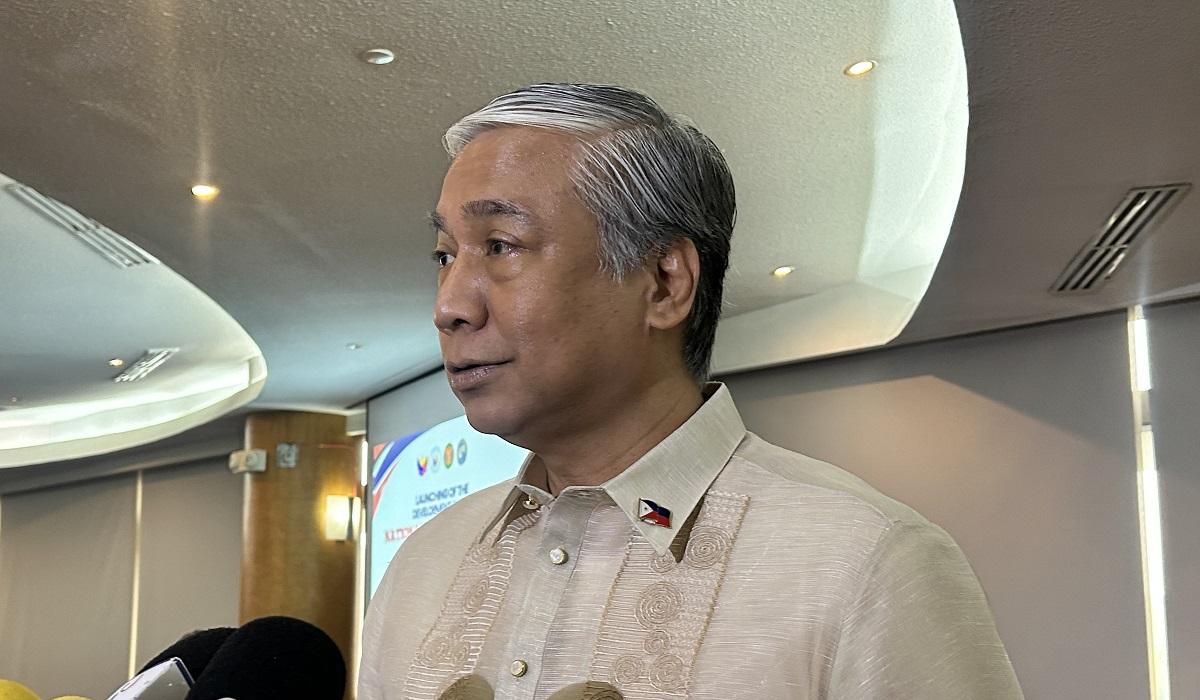
The Presidential United Nations Convention Against Corruption (UNCAC) Inter-Agency Committee (PUICom) on Wednesday launched the country’s first National Anti-Corruption Strategy (NACS).
“This is not just mere declarations, but this will be a specific plan of action on how to address corruption, first by finding a way to put it in the budget that there will be anti-corruption strategies that will be done at the public service institution level,” Deputy Executive Secretary for Legal Affairs Jesse Andres said in an ambush interview.
He said that though there are existing anti-corruption institutions such as the Office of the Ombudsman and the Commission on Audit, among others, there is a need to align their actions.
“The need for a NACS is mandated by the need to align all of the actions of all of these institutions, and the lead is now coming from the… UNCAC Inter-agency Committee,” he said.
Andres said the PUICom was assisted by the University of the Philippines National College of Public Administration and Governance.
He affirmed that once institutionalized, the strategy may lead to more arrests or accountability on the part of government officials.
“Due process requires that every step of the way, we are guided by… supported by what is evidence. And evidence can only be secured by the law enforcers through tools… that increase their competence,” he said.
According to Andres, the framework is part of the country’s commitment to UNCAC, an international anti-corruption treaty.
He said UNCAC provides five pillars that the government will follow in crafting the strategy, which are preventive measures, criminalization and law enforcement, international cooperation, asset recovery, and technical assistance and information exchange.
“This is the whole spectrum of strategies that we need to craft… and this will be done in an inclusive manner, with the participation not only of national government agencies, but also of civil society organizations, the private sector, the academe,” he said.
The deputy executive secretary also said there will be subsequent meetings or focus group discussions with various sectors.
When asked about the government’s timeline, Andres stressed that this was due yesterday.
“Definitely, this is due yesterday and our timeline is really as soon as possible. We believe we can complete this within the year and all these consultations will have to be done soonest,” he said.
Meanwhile, Ombudsman Jesus Crispin Remulla said that NACS should not become another document that sits on a shelf.
“History reminds us that meaningful reforms begin when institutions choose to work together rather than in silos,” he said.
“Let us ensure that years from now, this gathering will be remembered as a catalyst towards building a national roadmap that aligns our institutions, strengthens prevention, encourages innovation, promotes accountability, and creates measurable outcomes,” he added.
Meanwhile, in his keynote speech read by Andres, Executive Secretary Ralph Recto said the administration has made decisive strides toward the institutionalization of measures to address the needs of the public, but that corruption undermines the sustainability of its efforts.
“Public funds intended to alleviate the lives of our countrymen at times do not reach the right beneficiaries,” he said.
“Corruption robs our people of the chance for a better quality of life, further deepening inequality and indeed eroding trust in the government. And hence, integrity, transparency, and accountability in governance is the call of the day,” he added.
Recto said the government will work together to ensure that corruption will have no place in governance. — BM, GMA News

