

 GMA Brandtalk
 Tracking
 Archives

SONA 2026: PH-China relations and the tension, diplomacy that come with it
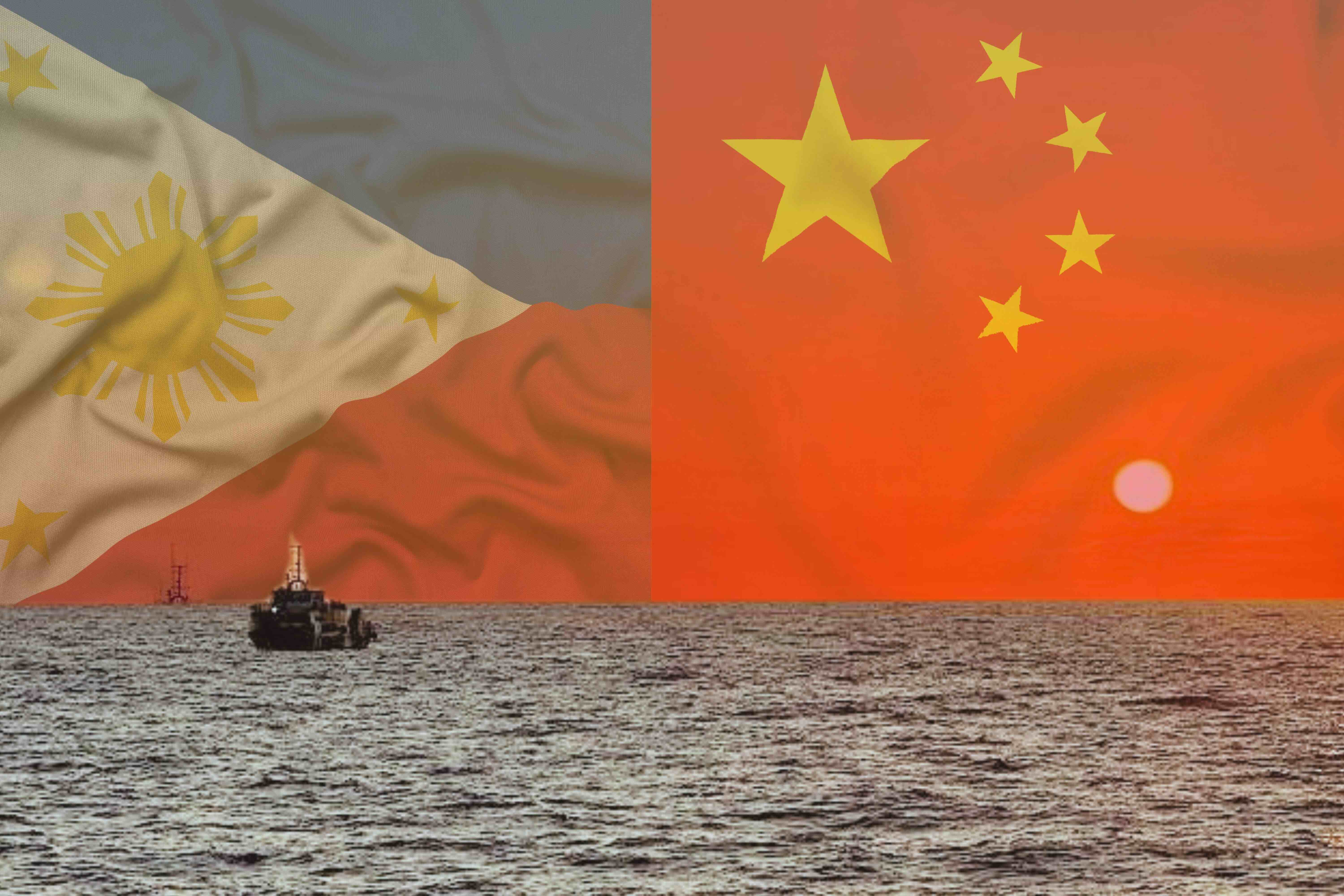
President Ferdinand "Bongbong" Marcos Jr. is expected to outline his administration's accomplishments and priorities when he delivers his fifth State of the Nation Address (SONA) on Monday, July 27.
Among the key issues expected to be discussed is the Philippines' foreign policy toward China, particularly amid continuing tensions in the West Philippine Sea.
READ: SONA 2026: What to expect in Marcos' 5th SONA? Political expert weighs in
Here is what has transpired in Philippines-China relations over the past year since Marcos delivered his 2025 SONA.
During his 2025 SONA, Marcos reaffirmed his administration's foreign policy stance: “The Philippines is a friend to all. The Philippines is an enemy to none,” as the country prepared to host the ASEAN Summit and related meetings.
The President stressed this position as the Philippines continued to face challenges to its territorial and maritime rights. He said the government would intensify efforts to defend the country's rights while remaining “patient” in doing so.
In The President's Report to the People 2022-2025, Marcos said the Philippines would continue to be a vocal and firm advocate for a rules-based international order.
“We continue to be a vocal and fierce advocate for adherence to the rules-based international order,” Marcos said.
In 2016, an international arbitral tribunal in The Hague ruled in favor of the Philippines, finding that China's sweeping claims in the South China Sea had no legal basis. China has rejected the ruling.
Tensions have nevertheless persisted as China claims almost the entire South China Sea, a major waterway through which more than $3 trillion in annual shipborne commerce passes. Parts of the sea are also claimed by the Philippines, Vietnam, Malaysia, Brunei, and Indonesia.
The Philippine government refers to portions of the South China Sea within the country's maritime zones as the West Philippine Sea, reinforcing its sovereignty, sovereign rights, and jurisdiction over these areas.
In January, China lodged a diplomatic protest against Philippine Coast Guard spokesperson Commodore Jay Tarriela over his social media posts involving Chinese leaders, which Beijing described as offensive and provocative.
Tarriela pushed back against the Chinese Embassy's statement, saying his remarks were based on facts and reflected the Philippines' concerns over China's actions in the West Philippine Sea.
The following month, the Department of Foreign Affairs (DFA) said the Philippines would continue strengthening its maritime partnerships with countries such as the United States, Japan, and Australia as it confronts China's increasingly assertive actions in its waters.
Manila, however, said it remained committed to diplomacy in managing its disputes with Beijing over contested features in the South China Sea, stressing that strengthening alliances and pursuing peaceful dialogue can go hand in hand.
In March, the DFA said the code of conduct being negotiated between Southeast Asian states and China for the disputed South China Sea must not undermine the rights and interests of third-party states.
Manila said it was committed to concluding an “effective, substantive, and legally binding” code within 2026, in line with guidelines agreed upon by the negotiating parties.
China, which considers the maritime disputes a purely Asian issue, has opposed foreign intervention, particularly by the United States, a treaty ally of the Philippines.
Meanwhile, the Armed Forces of the Philippines reported that 156 Chinese vessels were monitored near four key maritime features in the West Philippine Sea over two months.
In October 2025, the DFA said the Philippine government had filed a total of 245 diplomatic protests against China since 2022 over its activities in the West Philippine Sea.\
China's foreign ministry in June sanctioned Defense Secretary Gilberto Teodoro Jr. and his immediate family, barring them from entering mainland China, Hong Kong, and Macau, over claims that he "repeatedly made erroneous remarks concerning China" that allegedly undermined Beijing's legitimate interests and bilateral ties.
Entities in China are also “prohibited from engaging in any transactions, cooperation, or other activities with Teodoro and his spouse and child."
The measures were imposed to "safeguard China's national sovereignty, security, and development interests," the ministry added, without specifying what remarks by Teodoro it particularly objected to.
On July 12, the Philippines and 13 other countries reiterated that there is no legal basis for China's expansive claims in the South China Sea as they marked the 10th anniversary of the 2016 arbitral ruling.
“We reaffirm the Arbitral Tribunal’s decision that there is no legal basis for China’s expansive maritime claims in the South China Sea, including those based on ‘historic rights,’” read the joint statement issued by the governments of the Philippines, Australia, Canada, Estonia, Germany, Italy, Japan, Latvia, Lithuania, New Zealand, Romania, Slovenia, the United Kingdom, and the United States, as shared by the DFA.
The countries also reaffirmed their position that maritime disputes should be resolved peacefully and in accordance with the United Nations Convention on the Law of the Sea (UNCLOS).
The 501-page arbitral award was handed down on July 12, 2016, more than three years after the Philippines initiated proceedings against China in January 2013.— MCG/RF, GMA News

