

 GMA Brandtalk
 Tracking
 Archives

Hontiveros seeks cap on power rates during emergencies
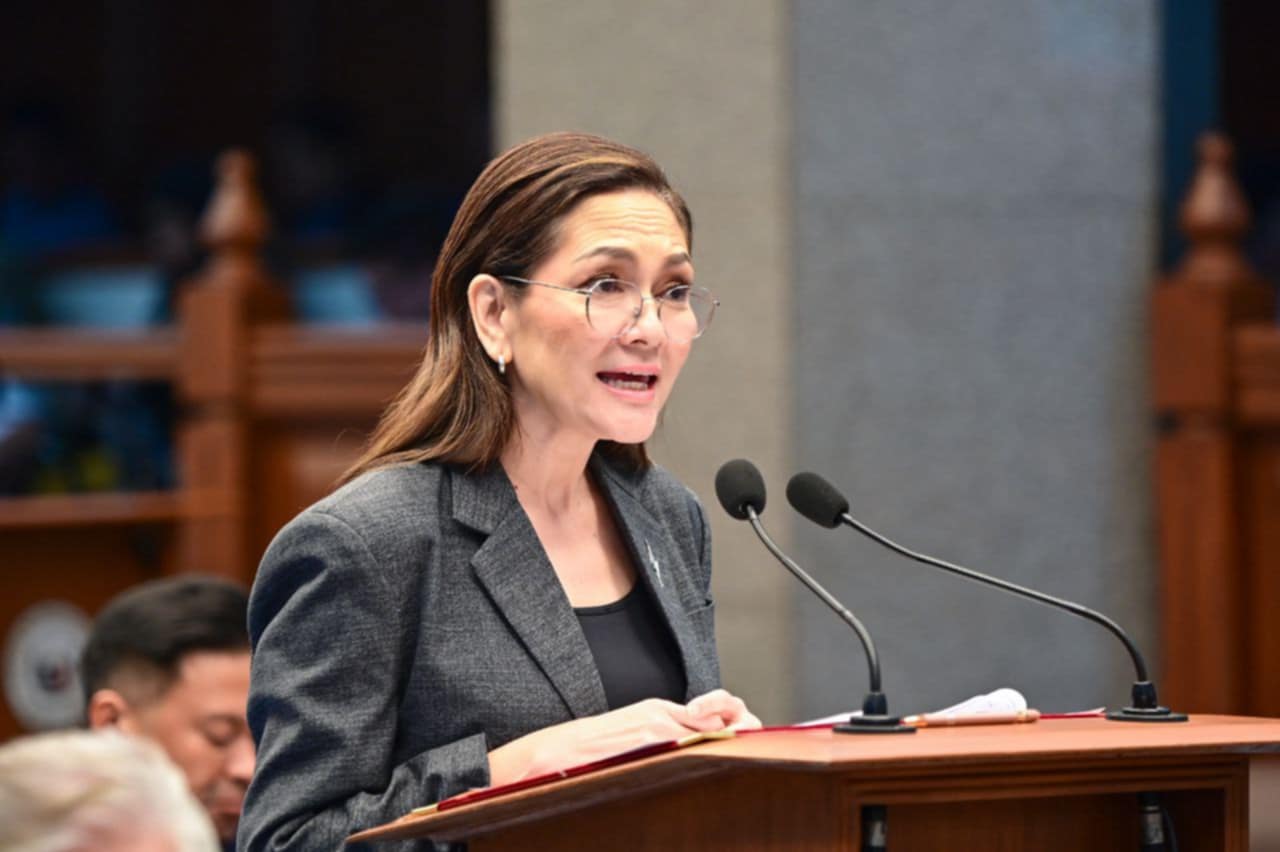
A proposed measure granting the president the authority to set a ceiling on electricity prices in areas placed under a state of emergency or calamity has been filed in the Senate.
Senator Risa Hontiveros filed proposed Senate Bill (SB) No. 2361 seeking to amend the Electric Power Industry Reform Act of 2001 (EPIRA) Law and protect Filipinos — who were reeling from the impact of crises — from “bill shock”.
Under the proposed law, the president may impose a price ceiling on the prices of electricity in areas declared in a state of emergency or calamity. It shall last for up to 90 days, “unless sooner lifted by the president”.
The president shall also take into consideration the last three months immediately preceding the proclamation as well as the available supply in the market in setting up a “just and reasonable price ceiling”.
“Hindi dapat hayaang walang kontrol ang pagtaas ng singil sa kuryente lalo na sa panahon ng krisis. Lahat apektado dito, even middle-income families are already struggling with the cost of food, transportation, medicine, and other basic needs. They should not be forced to absorb one power rate increase after another,” said Hontiveros.
(Power rate increases should not be allowed to go unchecked, especially during times of crisis. Everyone is affected by this; even middle-income families are already struggling with the rising costs of food, transportation, medicine, and other basic necessities. They should not be forced to bear one electricity rate hike after another.)
“With this bill, the President can set a mandatory price cap as a direct measure to curb rising electricity costs due to external circumstances during a state of emergency or calamity - such as the ongoing national energy emergency,” the lawmaker added.
Proposed SB No. 2361 also provides for an automatic 90-day moratorium in power disconnection to residential consumers affected by the state emergency or calamity.
The president may also impose a deferred payment scheme for residential consumers and micro, small, and medium enterprises upon the recommendation of the Department of Energy and Energy Regulatory Commission (ERC).
Further, the bill provides that consumers disputing unusually high or erroneous charges would only need to provisionally pay their average monthly bill for the preceding three months, instead of the whole contested amount, while their complaint is being resolved.
An independent Consumer Advocacy Office attached to the Department of Trade and Industry would also be created under the measure. It would represent consumers in rate cases and other proceedings affecting the ERC’s rate cases, franchise proceedings, and rulemaking affecting the price, quality, or availability of electric service. —LDF, GMA News

